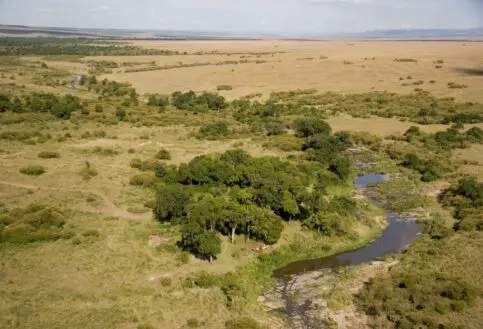
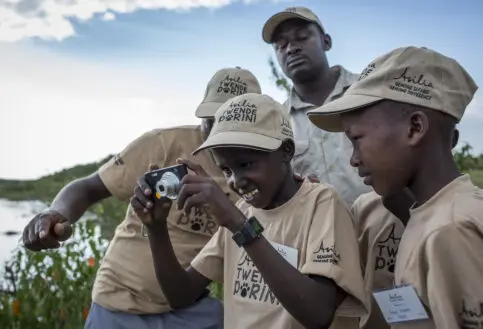
Across Africa, water is a precious resource, important for life, health, and the ecosystems that sustain us. We recognise and respect its value in a way that can’t be taught.
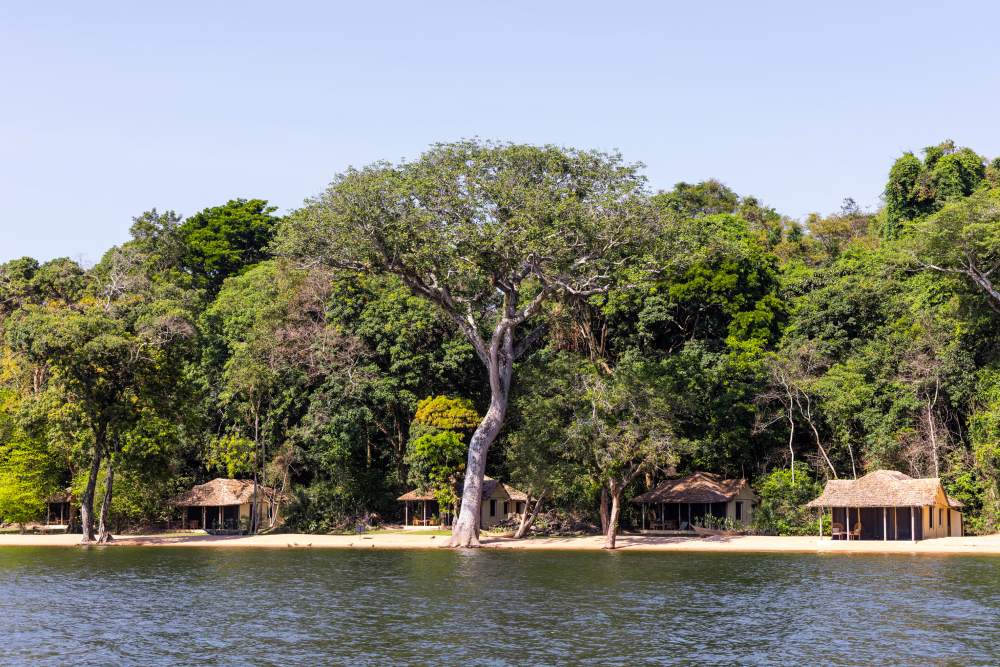
Many of our team grew up in rural areas, several from farming families where water shaped daily life and livelihoods. This personal connection means that care for water runs naturally through our culture at Asilia. Even in regions where water is abundant, for example at our camps located on the shores of a lake, our teams understand that every litre comes with a cost in energy, infrastructure, and treatment.
Operating in remote wilderness areas means we can never take water for granted. Supplying a camp requires pumps, filters, and transfer routes. Whether water is drawn from a lake, river, borehole, or harvested from rain, each source is measured, monitored, and managed with care to ensure it is used responsibly without waste.
Daily Measurement and Accountability
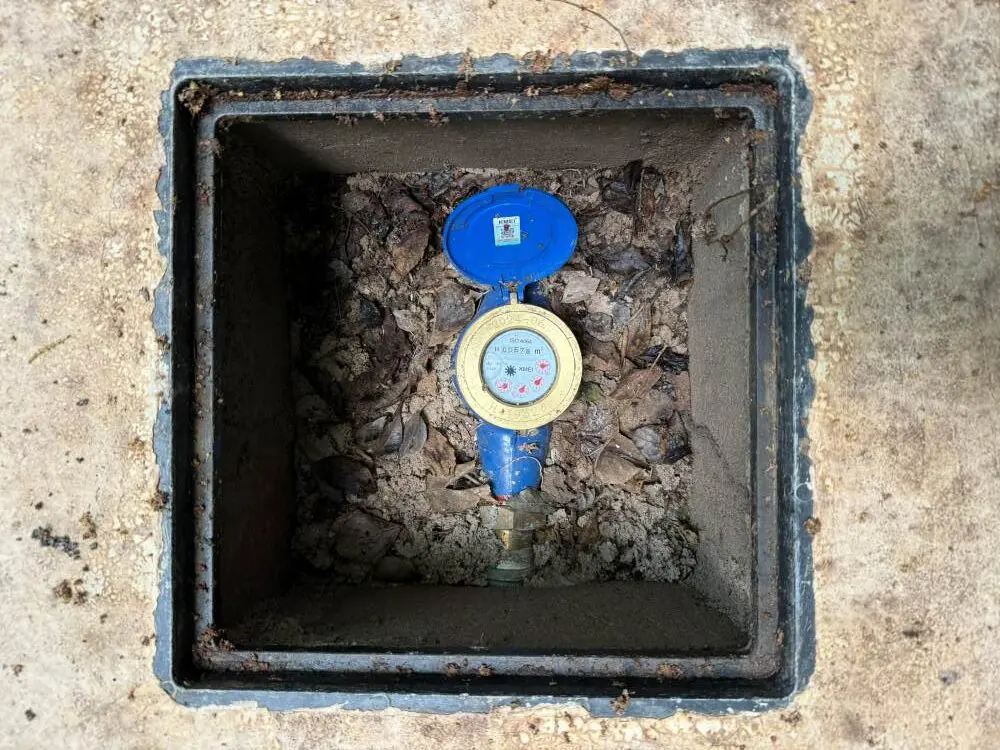
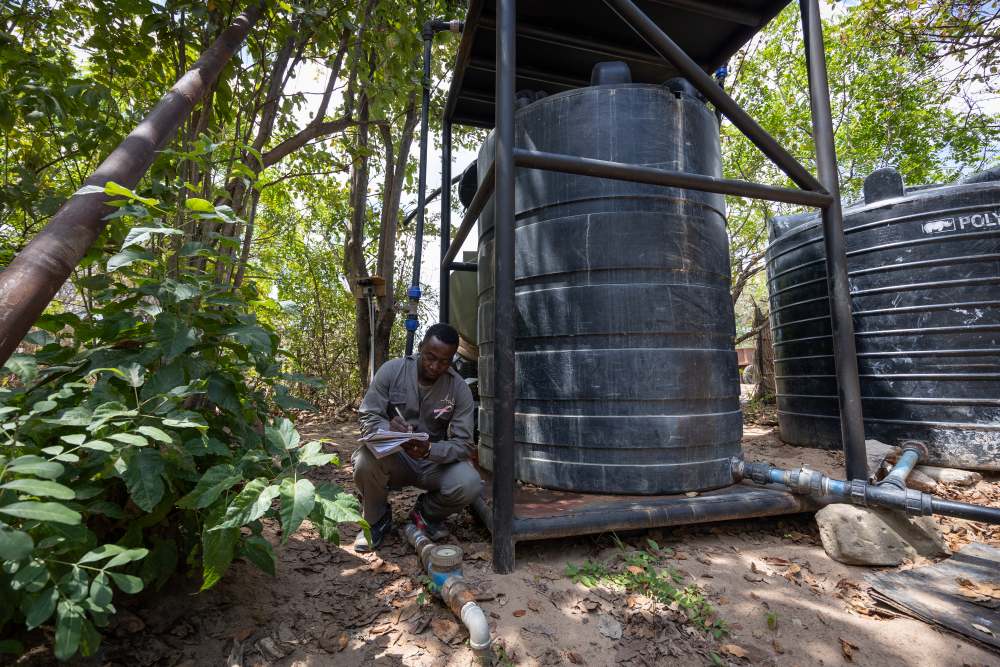
Every Asilia camp monitors its water use daily. Each tank is fitted with a meter that is read every morning and tallied at the end of the month, with results shared. This process builds awareness among the team and helps identify anomalies quickly. A sudden spike in usage triggers an immediate investigation. Often the cause is easily fixed, such as a toilet seal blocked by sediment. At Roho ya Selous, for example, this vigilance helped identify a small leak that might otherwise have wasted hundreds of litres unnoticed. Early detection and repair are key in preventing unnecessary waste, and the system ensures they happen fast.
Each camp appoints an Eco Warrior, a team member responsible for reading the meters, recording data, and leading discussion on water use in daily or weekly briefings. If usage rises unexpectedly, the Eco Warrior leads a check across camp, examining the staff village, guest areas, kitchen, and laundry to locate the issue. This shared responsibility creates a culture of accountability and learning.
Rainwater Harvesting
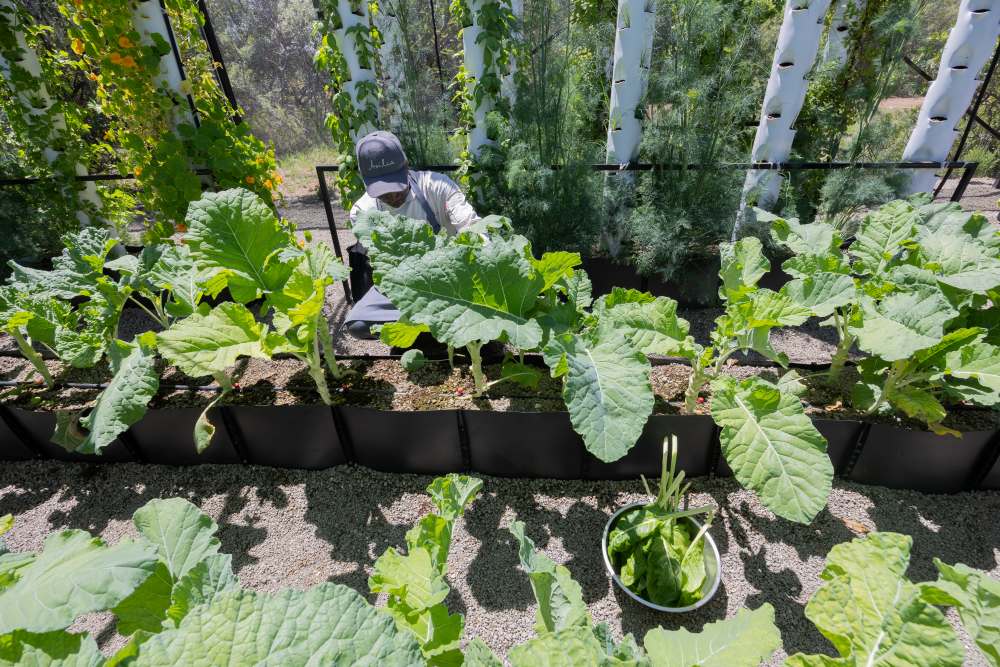
Rainwater collection is central to our strategy. Every Asilia property harvests rainwater wherever possible. Catchment systems feed storage tanks that supply kitchens, laundries, and gardens. In Kenya, our Encounter Mara Camp takes this further. The camp’s Vertical Farm, a solar-powered hydroponic system developed with Vertical Gardens Ltd, runs entirely on harvested rainwater. The water circulates in a closed loop, enriched with nutrients and continuously recycled so that nothing is wasted demonstrating what’s possible when innovative design meets sustainable thinking. Elsewhere, rainwater is collected from rooftops into storage tanks and filtered for non-potable use.
Grey Water Recycling and Reuse
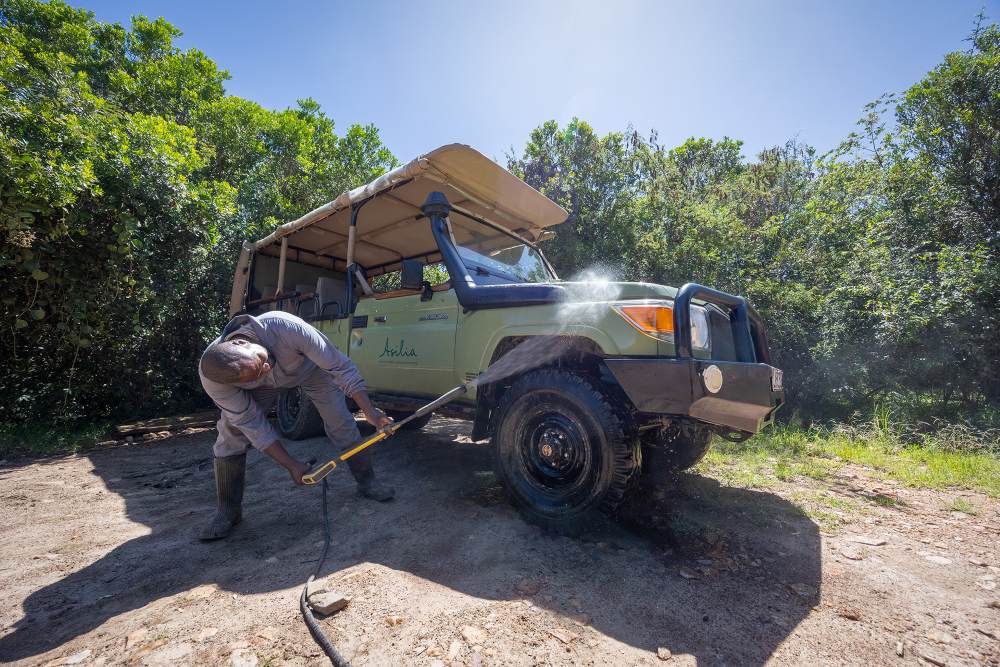
We are constantly improving how we reuse water. Across several camps, wastewater from showers, laundry, and kitchens is captured and reused where practical. At Roho ya Selous, laundry water is saved manually and used for vehicle washing, ensuring that even small volumes are repurposed.
This year we’ve launched a pilot grey-water recycling system at Rubondo Island Camp. This system filters and treats water from guest rooms before it is pumped to irrigate camp gardens and surrounding vegetation. Over time, the system will expand to supply the car wash area as well, further reducing demand for fresh water.
Water Education and Culture
Water conservation is part of every camp’s sustainability agenda. During daily or weekly briefings, the Eco Warriors reinforce key practices such as leak reporting, mindful use, and re-use strategies. Sustainability topics including water usage feature in every staff meeting. This consistent communication ensures that everyone, from guides to kitchen staff, understands the importance of conserving water and knows how their actions contribute. There is friendly inter-camp rivalry as to who can post the “best” water statistics for the week.
The commitment extends to our guests. While we ensure that every traveller enjoys a comfortable stay, including access to hot showers and clean drinking water, we design systems to deliver that comfort with minimal environmental cost. Solar-powered pumps and efficient filtration mean that water reaches guest tents sustainably, and fittings such as low-flow taps and showerheads ensure water efficiency.

Camp Design and Operations
Our approach to water use is part of a broader environmental management system that measures and reports on our key metrics of energy, waste, and water use across all camps. Insights from these readings guide improvements each year, from installing larger rainwater storage tanks to piloting new filtration technologies.
At Rubondo, where the surrounding lake might give the illusion of abundance, teams are reminded that having access to water doesn’t mean it should be used freely. Daily meter readings, group discussions, and shared accountability help reinforce that message. Across our network, even camps near perennial rivers recognise that water extraction, pumping, and purification have energy costs.
Linking Water and Energy
Our sustainability strategy recognises the link between water and energy. Pumping, treating, and heating water all require power, so by investing in solar energy, we also reduce the carbon footprint associated with water use. Many camps have replaced traditional water heaters with heat-exchange systems powered by solar energy, further improving efficiency.
These systems provide guests with a continuous supply of hot water while cutting down fuel consumption and emissions. The same solar infrastructure powers our water purification units, which eliminate the need for bottled water and reduce plastic waste.
Looking Ahead
Water will remain a core focus of our sustainability journey. We are developing improved systems for data collection and monitoring, building on the daily readings that form our foundation. New rainwater catchment installations are planned for mobile camps, and grey-water recycling will be expanded across our camps and lodges by 2026.
For our teams, water conservation reflects our heritage, our respect for nature, and our belief that responsible tourism can thrive only when it safeguards the resources on which it depends. Contact us today to start planning your responsibly sourced safari adventure.