There’s something truly magical about watching a majestic elephant emerge from the African bush, trunk swaying gently as it moves with surprising grace across the savannah. For safari enthusiasts seeking the best places to see elephants in Africa, the continent offers extraordinary opportunities to witness these gentle giants in their natural habitat – from massive herds gathering at watering holes to intimate family moments in remote wilderness areas.
Why Elephant Safaris Are Unforgettable
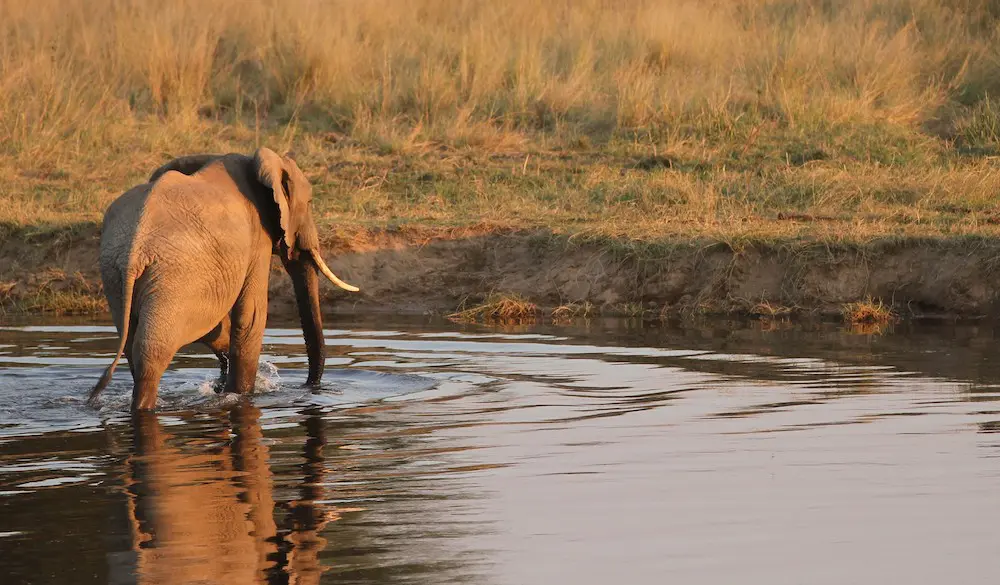
Elephants are one of Africa’s most iconic and intelligent species, captivating travellers with their complex social structures, emotional depth, and sheer presence. These remarkable creatures offer safari-goers some of the most profound wildlife encounters. Whether you’re witnessing a matriarch leading her family across the dusty plains or watching playful calves learning how to use their trunks, elephant safaris create memories to last a lifetime.
Africa offers a remarkable diversity of elephant safari experiences. You might find yourself tracking giant herds through ancient landscapes on foot, observing intimate conservation moments from a hide, or watching elephants cross rivers from the comfort of a boat.
Our expert guides and prime camp locations provide front-row seats to these placid pachyderms, ensuring every encounter is both respectful and unforgettable. Our deep knowledge of elephant behaviour, feeding habits, and social dynamics will transform your elephant encounters into profound moments of wonder.
Tarangire National Park, Tanzania
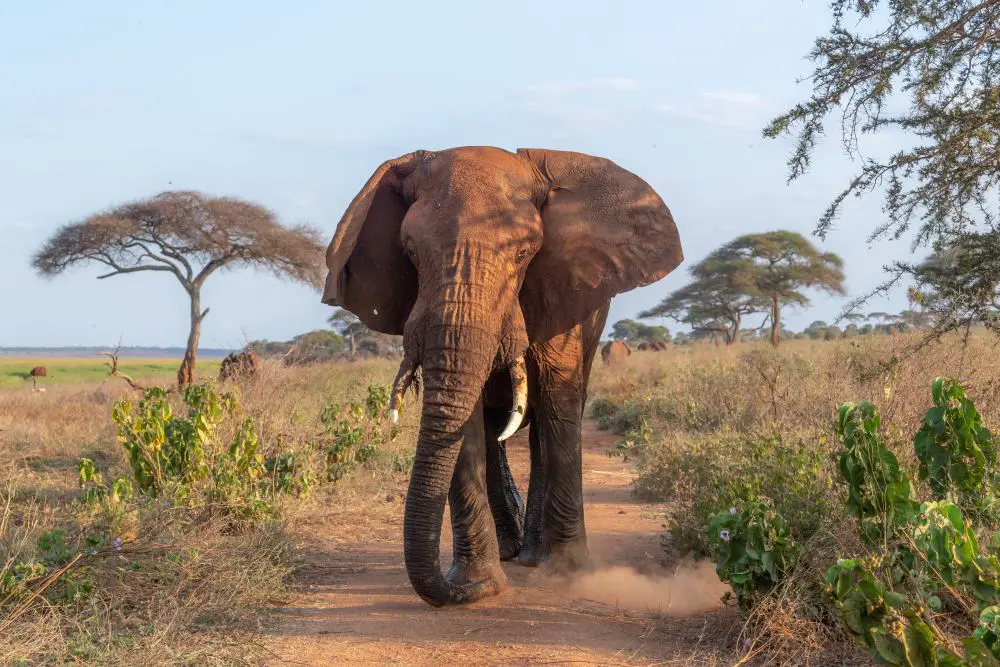
Known by some as the ‘Land of Giants,’ Tarangire National Park hosts one of the largest elephant populations in East Africa and stands as one of the premier African elephant destinations. During the dry season, this remarkable park transforms into an unmatched elephant paradise.
During the dry season months from June to October, massive elephant herds move into the Silale Swamp and gather along the life-giving Tarangire River. Large herds of elephants against a background of iconic baobab trees create the kind of cinematic beauty sought after by photographers.
Tarangire’s elephant migration is particularly special because it follows ancient pathways that elephants have used for thousands of years. Families return to the same areas generation after generation, creating opportunities to observe established social hierarchies and witness touching reunions between family groups.
This destination is perfect for slow safaris where patience is rewarded with incredible encounters, making it ideal for families and photographers alike. The park’s relatively compact size means excellent elephant viewing is virtually guaranteed during peak season.
Where to stay:
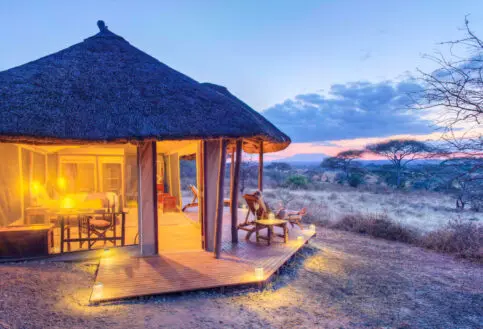
- Oliver’s Camp – Positioned in the heart of elephant country, this camp offers exceptional access to prime viewing areas through game drives, walking safaris, and night drives, bringing you closer to these magnificent creatures.
Ruaha National Park, Southern Tanzania

For anyone seeking a more remote and wild elephant safari experience, Ruaha National Park in southern Tanzania offers something truly special. This vast wilderness is home to over 10,000 elephants, making it one of Africa’s most significant elephant strongholds, yet it remains refreshingly uncrowded compared to northern Tanzania’s more famous parks.
Ruaha’s elephants roam across the seemingly endless landscapes dotted with baobabs, dramatic escarpments, and rugged terrain that epitomises the raw, untouched beauty of Africa. The park’s remote location means that elephant encounters here feel more exclusive and wild, with herds often appearing completely undisturbed by human presence.
The landscape itself tells the story of Africa’s geological history, with ancient rock formations and seasonal rivers creating diverse habitats that support not just elephants but an incredible array of wildlife. During the dry season, elephants concentrate around the Great Ruaha River, providing spectacular viewing opportunities as different family groups converge at watering points.
This destination is ideal for experienced safari-goers who appreciate the authenticity of remote wilderness areas and lovers of raw, untouched Africa who want their elephant encounters to feel genuinely wild and unscripted.
Where to stay:
- Jabali Ridge – A luxury hideaway perched on a rocky outcrop with elevated views of elephant-dotted valleys, offering an unparalleled vantage point for observing elephant behaviour across the vast landscape.
Samburu National Reserve, Kenya

Set in the arid northern region of Kenya, Samburu National Reserve offers encounters with a unique subpopulation of elephants that have adapted to one of Africa’s more challenging environments. These desert-adapted elephants have developed fascinating behaviours and physical characteristics that set them apart from their cousins in lusher habitats: more prominent ears to help them keep cool in the desert heat, and longer tusks that are used to dig for precious water.
The dramatic landscape of Samburu creates some of Africa’s most photogenic elephant encounters. Elephants often cross the meandering Ewaso Ng’iro River in spectacular fashion, creating scenes that have become favourites among wildlife photographers worldwide. The contrast between the arid landscape and the river’s green belt provides stunning backdrops for a photography safari.
Travel tip: Combine Samburu with Naboisho Camp in the Greater Masai Mara for a contrasting Kenya safari experience that showcases the country’s diverse ecosystems and elephant populations.
Amboseli National Park, Kenya
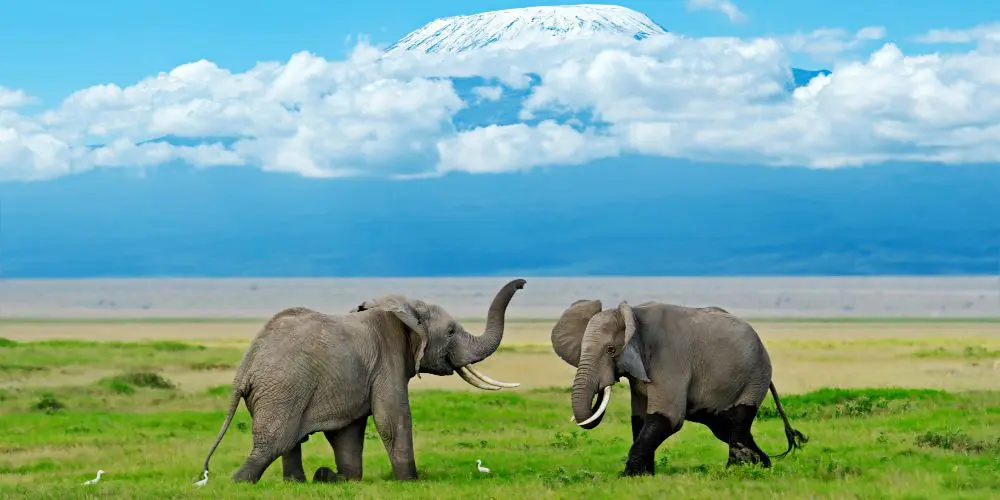
Few places on earth offer more iconic elephant photography opportunities than Amboseli National Park. This remarkable destination is renowned worldwide for delivering stunning photographs of elephants crossing dusty plains, with the snow-capped peak of Mount Kilimanjaro providing a majestic backdrop.
Amboseli is home to some of Africa’s largest-tusked elephants, including impressive matriarch-led herds that have been studied continuously for over four decades. This long-running research has provided unprecedented insights into elephant social structures, communication, and intelligence, making every sighting here rich with scientific significance.
The park’s relatively open terrain and predictable movements make it an exceptional choice for first-time safari-goers who want guaranteed elephant encounters, while still offering enough complexity to satisfy experienced wildlife enthusiasts. The combination of dramatic landscapes, approachable elephants, and world-class research opportunities makes Amboseli unique among African elephant destinations.
For photographers, the lighting conditions and mountain backdrop create opportunities for career-defining images, while conservationists appreciate the chance to observe elephants that are part of groundbreaking scientific studies.
Tip: Combine Amboseli with a stay at one of Asilia’s conservancy camps in the Masai Mara or Laikipia for a varied itinerary that showcases Kenya’s diverse elephant habitats and conservation approaches.
Chobe National Park, Botswana
Chobe National Park boasts the largest elephant population in Africa – over 120,000 strong – creating some of the continent’s most spectacular elephant gatherings. The sheer number alone makes Chobe an essential destination for serious elephant enthusiasts, but it’s the unique viewing opportunities that truly set this park apart.
The Chobe River offers exceptional boat-based elephant viewing experiences, providing unique perspectives. Watching massive elephant herds approach the riverbank to drink while you observe from the tranquil vantage point of a boat creates incredibly peaceful and intimate encounters. These river safaris are ideal for travellers seeking more relaxed wildlife viewing experiences.
The best time to visit Chobe is between May and October when elephants congregate in massive herds along the river. During peak season, it’s not uncommon to see several hundred elephants in a single viewing session, creating scenes of natural abundance that few places on Earth can match.
Note: While Asilia doesn’t operate in Botswana, Chobe can be excellently paired with a Southern Tanzania safari experience at parks like Ruaha or Selous for an epic cross-regional journey that showcases Africa’s elephant diversity.
When’s the Best Time to See Elephants in Africa?
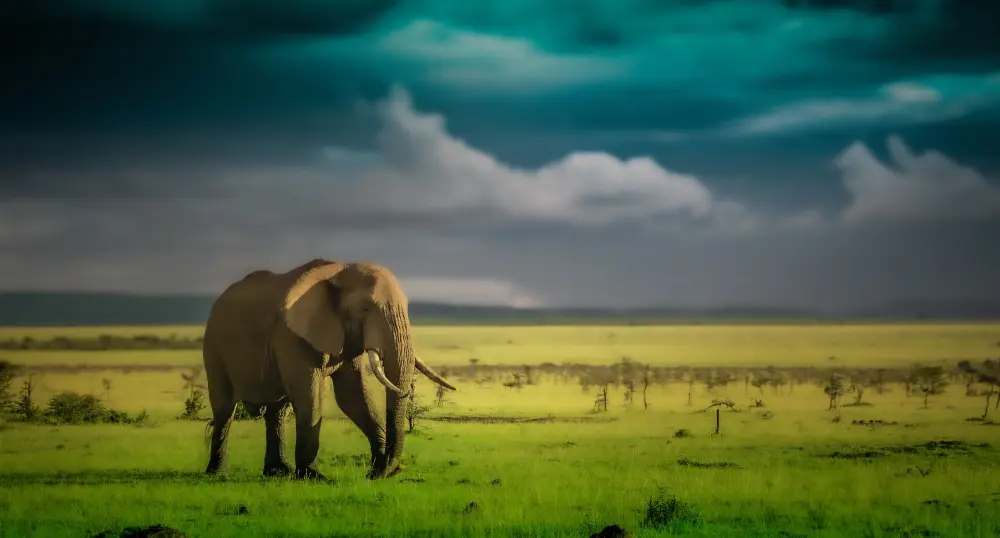
The timing of your elephant safari can dramatically impact your experience, with each season offering distinct advantages for different types of travellers and photography preferences.
The dry Season (June – October) represents the peak elephant viewing season across most of Africa. During these months, elephants gather around reliable water sources, making them easier to locate and observe. The sparse vegetation provides clearer conditions for photography, while the predictable movements of elephants make planning encounters more straightforward. However, this is also peak tourist season, which means higher pricing and busier parks. That said, many of our camps are situated in locations that still offer an exclusive experience even during peak periods.
Green Season (November – March) offers a completely different but equally rewarding elephant safari experience. This period coincides with calving season in many regions, providing heartwarming opportunities to observe baby elephants taking their first steps and learning essential survival skills. The landscape transforms into a lush paradise, with dramatic lighting conditions that create stunning photo opportunities. Green season rates are typically more attractive, and many parks are less crowded, though some remote areas may be inaccessible due to seasonal rains.
For specific regional timing, consider our detailed guides on when to visit Tanzania and when to visit Kenya, which provide comprehensive seasonal information tailored to your elephant safari goals.
The beauty of Africa’s elephant destinations is that there’s never truly a bad time to visit, just different experiences depending on your priorities, whether that’s guaranteed sightings, dramatic landscapes, baby elephants, or budget considerations.
Why Travel with Asilia for an Elephant Safari
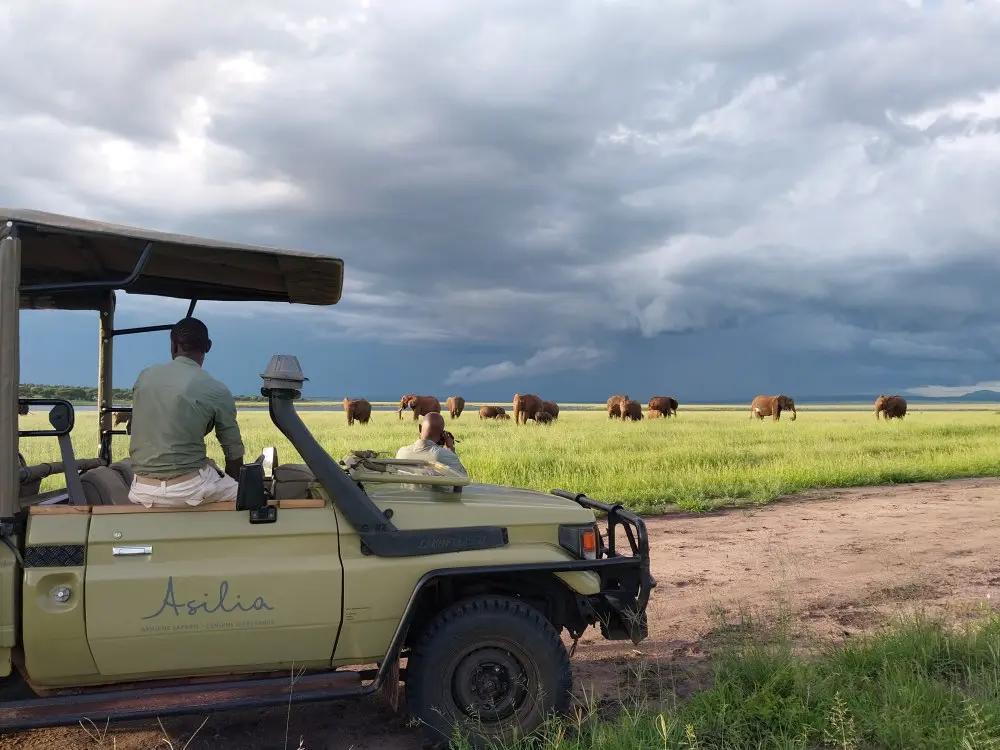
Choosing the right safari partner can make the difference between simply seeing elephants and experiencing truly transformative encounters with these magnificent creatures. Asilia’s approach to elephant safaris combines decades of expertise with a deep commitment to conservation and sustainable tourism.
Our camps are strategically located in prime wildlife-viewing areas, including the heart of Tarangire’s elephant country, the remote wilderness of Ruaha, and the diverse ecosystems of the Masai Mara. This positioning is purposeful in areas that are vulnerable and need protection, as well as where wildlife is plentiful.
Our expert guides bring wildlife encounters to life through their deep knowledge of resident elephant herds, family relationships, and behavioural nuances. This insider knowledge transforms every sighting from simple wildlife viewing into a rich narrative about elephant society and conservation.
When you book your elephant safari with Asilia, your trip directly supports various research and conservation efforts throughout the region, ensuring future generations can experience these remarkable creatures.
Beyond traditional game drives, Asilia offers unique opportunities, including guided walking safaris that bring you closer to elephant signs and behaviour, community interactions that explore traditional human-elephant relationships, and low-impact luxury that ensures your presence supports rather than disrupts elephant habitats.
Our seamless cross-country safari itineraries allow you to experience elephant diversity across multiple destinations, comparing desert-adapted elephants in Kenya with savannah giants in Tanzania, all while maintaining the highest standards of comfort and service.
Start Planning Your Elephant Safari in Africa
Whether you dream of witnessing massive herds gathering at ancient watering holes or prefer tracking individual families on foot through remote wilderness, Africa’s elephant experiences remain unmatched anywhere on Earth. The continent offers something for every type of traveller, from luxury seekers to adventure enthusiasts, from first-time safari-goers to experienced wildlife photographers.
With the right guide, carefully chosen camps, and expert local knowledge, every elephant encounter becomes a moment of pure magic that connects you to the wild heart of Africa.
Suggested itinerary: Our Explore East Africa multi-country adventure combines excellent elephant-viewing opportunities with the best of Tanzania and Kenya’s elephant destinations for the ultimate safari experience.
Ready to see elephants in the wild?
Speak to our safari specialists and create your tailor-made journey to Africa’s most incredible elephant destinations.
Not quite ready yet, but want to stay in touch? Sign up for our newsletter to get all the latest news and updates from us delivered to your inbox (unsubscribe at any time).