East Africa offers some of the rarest wildlife encounters left on the planet: that hush before a gorilla becomes visible through the foliage, standing mere meters from one of the last remaining northern white rhinos in existence, catching a glimpse of a pack of wild dog moving through the long grass.
Encounters like this are the glittering jewel in the safari crown, the ultimate bragging right. This is a guide to where they happen, what they feel like, and how to plan your safari around them.
Rhino Encounters in Kenya
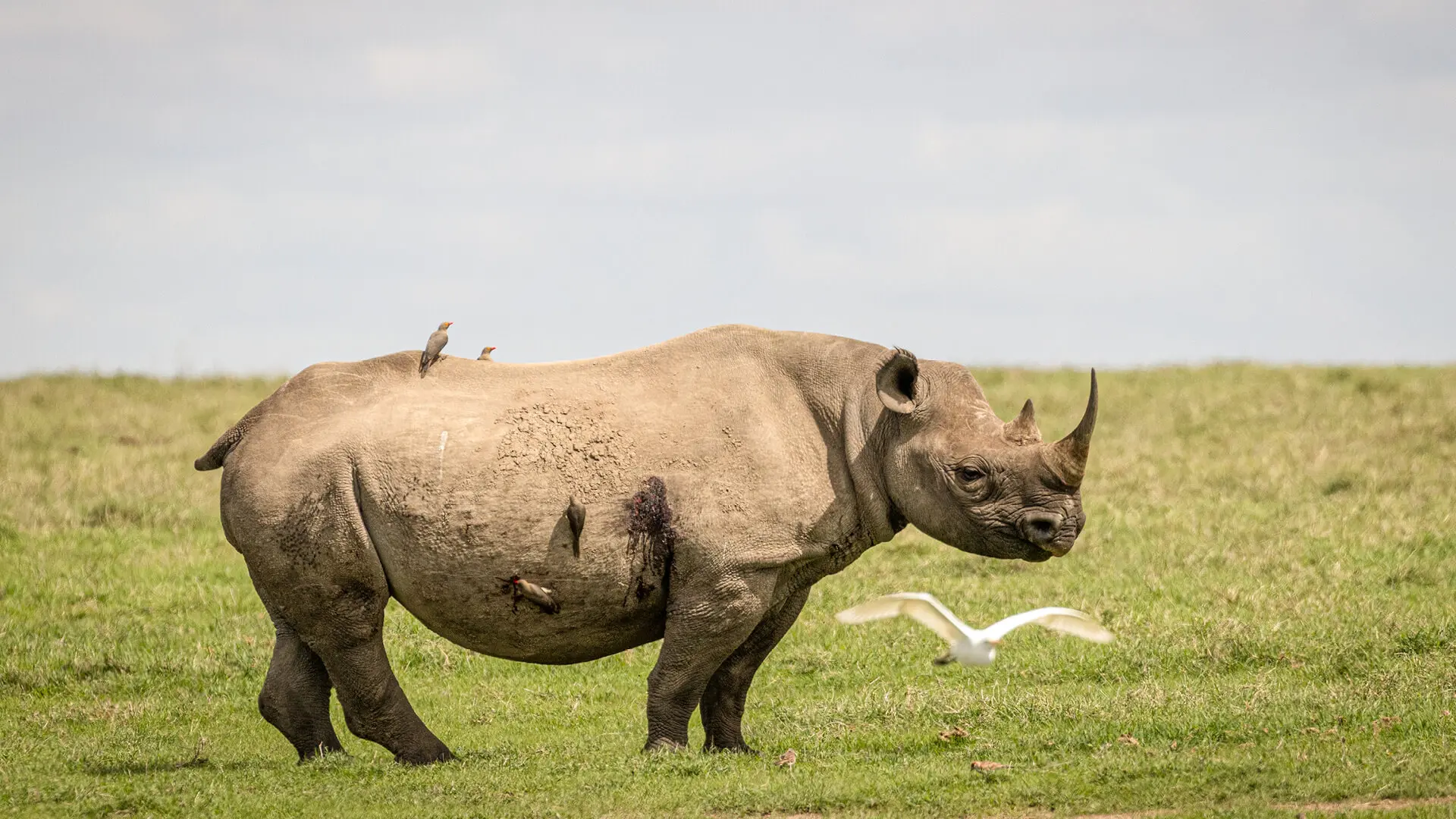
Kenya is one of the only places on Earth where you can still see northern white rhinos. It’s a sighting unlike any other on safari because it’s not only rare but also historic.
Visiting Ol Pejeta Conservancy
Ol Pejeta, in Kenya’s Laikipia region, is home to the last two northern white rhinos left in the world, alongside one of East Africa’s largest populations of black rhino. It’s an emotional experience seeing these animals up close, knowing they’re a species teetering on the brink of extinction.
This rare encounter is so much more than simply ticking a species off a game-viewing list; it’s bearing witness to our impact on nature and to something irreplaceable. (Curious about the difference between the two species? Read our guide to northern vs southern white rhino.)
Gorilla Encounters in Uganda
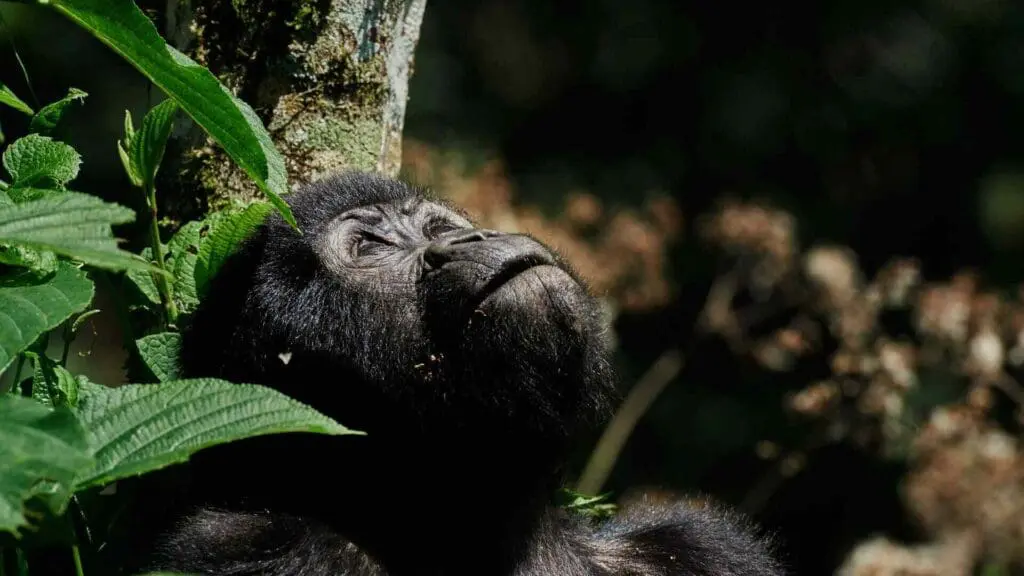
Few wildlife experiences can compare to standing in the dense rainforest just meters from a family of gorillas as they forage in the undergrowth.
Tracking Gorillas in Bwindi
Before you can sit and watch the gorillas, you need to hike through the forests to find them. This can mean hours of trekking through Bwindi Impenetrable Forest’s steep and densely forested hillsides. It can be misty. It can be muddy. But it’s all part of the experience, your anticipation building with every step.
When you find the gorillas, every bit of the journey to finding them will seem more than worth it. There’s no way that your breath won’t catch in your throat when a silverback holds your gaze for even just a moment. Something visceral happens to you as you watch tender moments between mothers and their babies. It’s so intimate and deeply stirring.

African Wild Dog Encounters in Tanzania
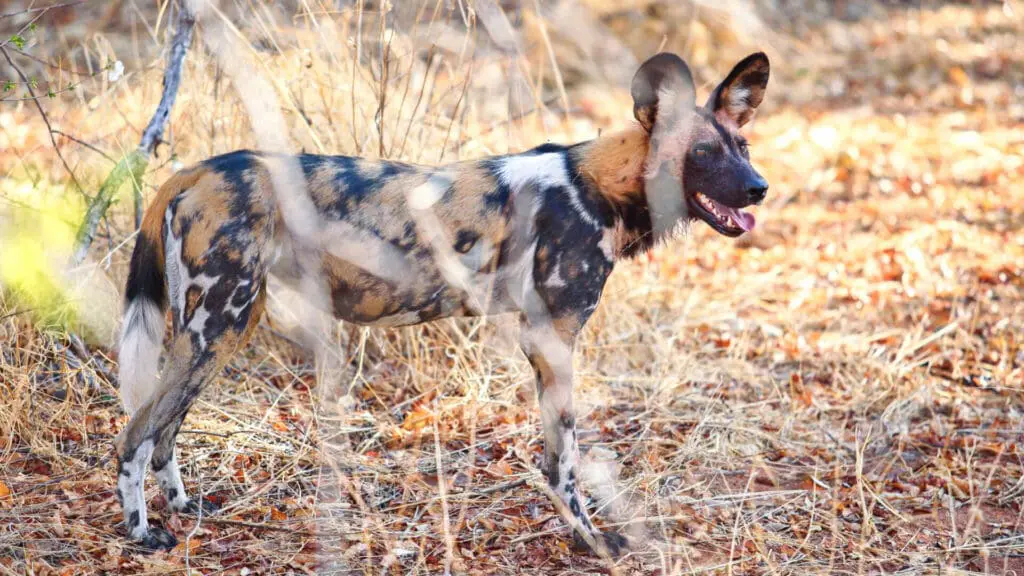
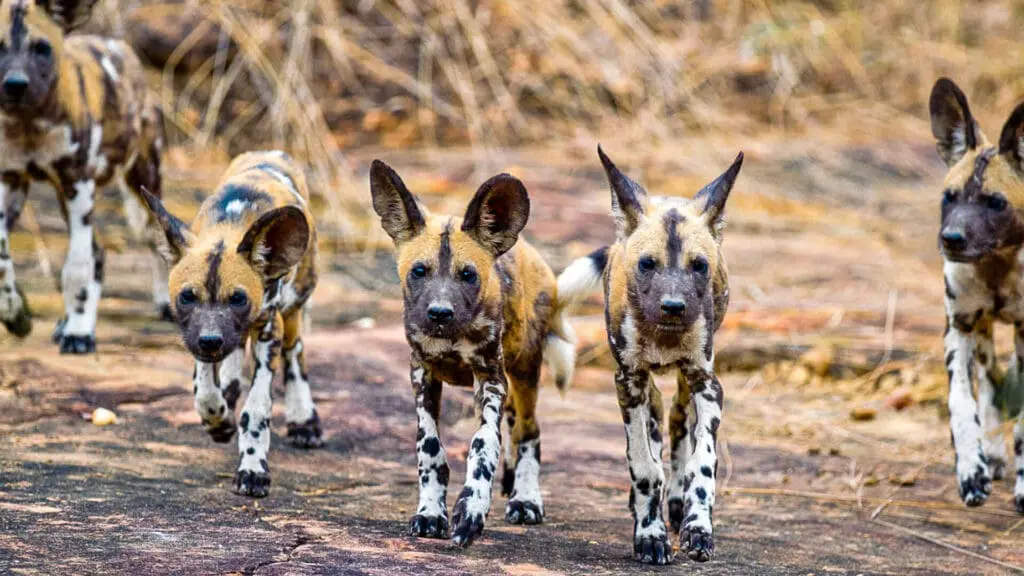
African wild dogs are among the hardest predators to see on safari. They move fast, cover vast areas, and are largely unpredictable.
Wild Dogs in Nyerere National Park
Nyerere is vast, untamed, and something of a hidden gem due to its low tourist numbers. It’s also one of the best places left to encounter wild dogs. Packs here are constantly on the move, hunting in tight, coordinated bursts that are almost over as soon as they begin. Seeing a wild dog hunt is part incredible luck, and part due to the incredible skills of an experienced guide who can read the bush like a book.
For safari enthusiasts seeking more than the usual sightings, a wild dog encounter in Nyerere’s remote landscape is hard to top.
Chimpanzee Encounters on Rubondo Island
Rubondo Island, in Lake Victoria, offers a safari experience unlike anywhere else in East Africa. The island is densely forested and isolated – there’s only one camp here, and the only other inhabitants are park rangers and camp staff. While that’s pretty rare in itself, the really rare encounter is with the island’s resident chimpanzees.
The story of how the chimpanzees came to be here begins with a small number of chimps rescued from European zoos in the 1960s, and today these primate families are flourishing. Set out on foot through the foliage to see these wild chimps and their antics against the backdrop of this secluded, wild island paradise.

What Makes Rare Wildlife Encounters Different From Traditional Safaris?
These rare wildlife encounters trade volume for intimacy. They take time – tracking on foot, waiting in silence – forcing you to slow down and adopt nature’s pace. You’re fully immersed in the world of a single animal for an extended, focused stretch of time.
Anticipation plays a bigger role. Specialised guiding becomes indispensable. The reward is a more emotional, more personal connection with the animals in front of you.
Are Rare Wildlife Safaris Good for First-Time Safari Travellers?
Absolutely! Rare wildlife experiences are for everyone, suiting a wide range of travellers.
- Photographers often get rare access to close, prolonged sightings.
- Wildlife enthusiasts can build a trip around a specific animal.
- Families find the trekking experiences memorable and educational. (Note: there’s some age-appropriate planning required)
- Honeymooners often choose gorilla trekking or rhino encounters as a once-in-a-lifetime addition to a classic safari.
- Repeat safari guests can go deeper, beyond the Big 5, for something new.
Explore our conservation-focused safaris, conservation experiences, and conservation itineraries for ways to pair these sightings with deeper conservation engagement.

Frequently Asked Questions About Rare Wildlife Safaris in East Africa
East Africa is home to extraordinary wildlife encounters, including mountain gorillas in Uganda, northern white rhinos in Kenya, chimpanzees on Rubondo Island, and African wild dogs in Tanzania.
Yes. The world’s last remaining northern white rhinos live under protection at Ol Pejeta Conservancy.
African wild dogs are considered one of the rarest predators to encounter on safari, due to their declining populations and wide-ranging movements.
Yes. Gorilla trekking is one of Africa’s most immersive wildlife experiences and is often combined with traditional safari itineraries in East Africa.
It varies by experience. Gorilla trekking and chimpanzee tracking involve sustained walking over uneven terrain, while rhino and wild dog sightings are typically vehicle-based.
Sighting conditions vary by species and region. Your safari planner can specifically advise on the timing for gorillas, rhinos, wild dogs, or chimpanzees.
Looking to combine a rare wildlife encounter with a broader safari?