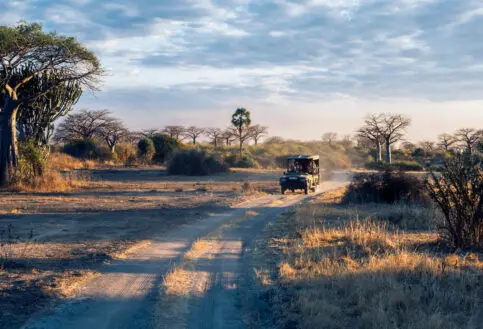
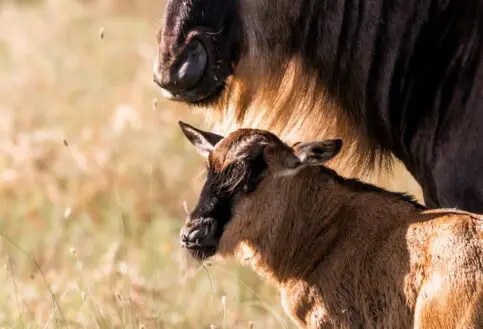
Uganda has earned its reputation as a gorilla trekking paradise, but if that’s all you do in Uganda, then you’re missing out on one of Africa’s most beautifully diverse destinations. This compact East African destination packs an incredible variety into its borders, from sweeping savannahs prowled by tree-climbing lions, the thundering source of the mighty Nile, mirror-like crater lakes, snow-capped mountain ranges, and vibrant cultural traditions.

In this guide, we’ll answer all your questions about experiencing Uganda beyond the forests – from working out travel logistics and choosing places to visit in Uganda, to understanding local culture and travelling responsibly. Whether you’re planning a romantic escape, a family safari, or an adrenaline-fueled expedition, a Uganda safari offers unforgettable experiences that extend beyond the famous primate encounters.
Who is Uganda Perfect For?
Couples & Honeymooners
Uganda offers romantic wilderness escapes combining adventure and intimacy. Private gorilla treks, sundowner cruises on the Nile, and eco-lodges perched on crater rims or forest edges provide stunning views and seclusion. The blend of thrilling wildlife sightings and quiet luxury, without the crowds found elsewhere, creates unforgettable shared experiences.
Families & Multi-Generational Travellers
Queen Elizabeth National Park offers family-friendly safaris with reliable wildlife sightings and gentle boat trips along the Kazinga Channel, captivating children. Conservation projects and cultural visits offer exceptional educational opportunities, while activities accommodate all ages and fitness levels – from birding and scenic hikes to craft workshops with local artisans.

Adventure Seekers
Uganda rewards active travellers with Grade V white water rafting on the Nile, multi-day Rwenzori Mountain treks through alpine wilderness, and challenging gorilla tracking through dense forest. This isn’t passive wildlife viewing – it’s kayaking rapids, mountain biking crater lake regions, and scrambling through muddy terrain in search of primates.
Wildlife Enthusiasts & Photographers
Beyond primates, Uganda offers extraordinary diversity from giant shoebills to tree-climbing lions, and incredible birding. Landscapes vary from savannahs to towering mountains, and even thundering waterfalls – providing unique photographic opportunities.
Conservation-Minded Travellers
Every traveller with Asilia can be assured that their visit directly funds conservation and community projects. All our camps are dedicated to driving change and sustainably partnering with local communities.
General Travel & Logistics
Entry Requirements & Visa Options
Most international visitors can obtain a Uganda e-Visa online before arrival, with single-entry tourist visas typically valid for 90 days. The process to apply for an e-Visa is quite straightforward and can be completed at least three days before your departure (although it’s probably a good idea to apply two weeks in advance just to be safe).
If you’re visiting more than one East African country, the East Africa Tourist Visa offers excellent value. This single visa grants entry to Uganda, Kenya, and Rwanda for 90 days, allowing movement between these three nations.
Standard passport requirements apply: make sure your passport is valid for at least six months beyond your departure date, with at least two blank pages for stamps. Yellow fever vaccination is mandatory for entry into Uganda, so be sure to carry your vaccination certificate, as officials do routinely check.
Best Time to Visit & Climate Overview
Uganda is located along the equator, which means temperatures are comfortable all year round. There are two dry seasons and two wet seasons, each offering distinct advantages.
The dry seasons (December to February and June to September) provide predictable weather for wildlife viewing and mountain trekking. Roads are typically in better conditions, hiking trails are less muddy, and animals are conveniently gathered around any remaining water sources, making them easier to find. These months constitute the peak season, particularly July and August.
The wet seasons (March to May and October to November) shouldn’t be written off entirely. While you can expect rainfall at this time, it results in beautiful, lush greenery and incredible birding with many migratory species present, and you’ll encounter lower tourist numbers. Some areas may become inaccessible due to worsening road conditions.
For detailed month-by-month insights and activity-specific timing recommendations, visit our comprehensive best time to visit Uganda guide.

Flights, Transfers & Getting There
Entebbe International Airport serves as Uganda’s primary gateway, located about 40 km from Kampala on the shores of Lake Victoria. Most international visitors connect through Nairobi, Addis Ababa, or Kigali, with several daily flights from these hubs.
Once in Uganda, domestic travel options vary by destination and preference. Light aircraft connect Entebbe to airstrips near major national parks. These flights dramatically reduce travel time – what might take six hours by road becomes a scenic 90-minute flight over stunning landscapes.
Road transfers offer their own rewards. Driving through Uganda reveals the country’s beauty much more intimately: terraced hillsides, rural villages, roadside markets, and constantly changing scenery.
For those seeking the ultimate flexibility and comprehensive exploration, consider an All Asilia itinerary, which combines multiple destinations across East Africa with seamless logistics and expert planning.
Typical Travel Times & Route Highlights
Understanding drive times helps you plan realistic itineraries. From Entebbe, expect approximately:
- Kampala: 45 minutes to 1.5 hours, depending on traffic
- Lake Mburo National Park: 4 hours through scenic farmland
- Bwindi Impenetrable Forest: 8-9 hours, often split with an overnight at Lake Mburo
- Murchison Falls National Park: 5-6 hours northwest
- Jinja (Nile source): 2 hours east along good tarmac roads
The drive to Bwindi epitomises Uganda’s landscape diversity. Departing Entebbe’s lakeshore, you’ll pass through open savannah at Lake Mburo (excellent for a mid-journey game drive), climb through terraced hillsides where subsistence farmers cultivate steep slopes, and eventually descend into the misty mountains blanketed in ancient rainforest. Each hour brings dramatically different scenery.
Destinations & Activities Beyond Primate Tourism
Queen Elizabeth & Murchison Falls Parks
Queen Elizabeth National Park delivers classic African safari experiences with a distinctive Ugandan character. The park’s most celebrated residents are its tree-climbing lions – a behaviour only seen in lions in a handful of locations worldwide.
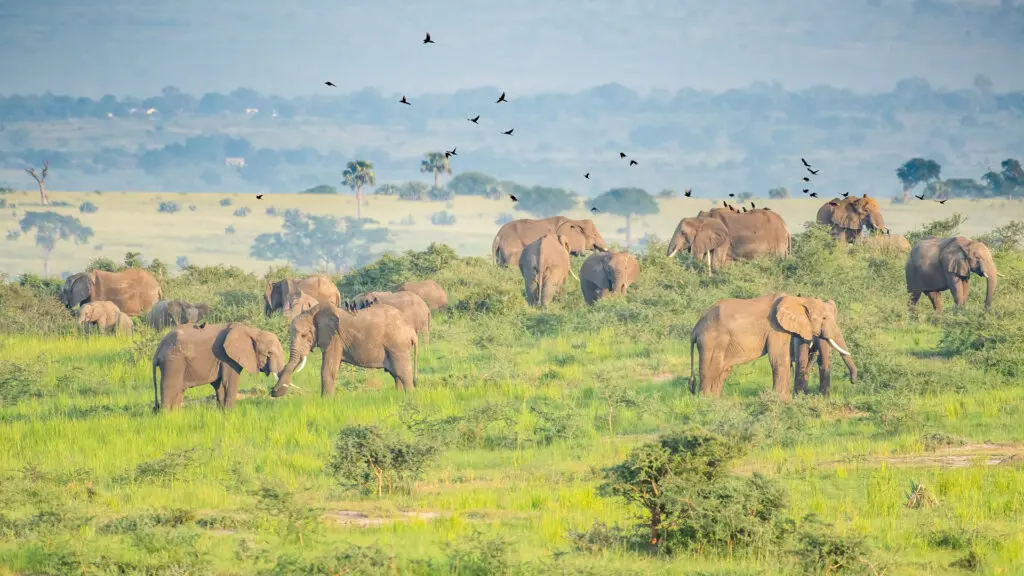
The park also hosts elephants, buffalo, hippos and numerous antelope species. The 32-kilometre Kazinga Channel, linking Lake Edward and Lake George, supports one of Africa’s highest concentrations of hippo. Boating safaris along this waterway reveal elephants drinking at the shores, crocodiles sunbathing on mudbanks, and extraordinary birdlife.
Murchison Falls National Park, Uganda’s largest protected area, centres on the Nile’s dramatic compression through a seven-meter gap in the rocks before plunging 43 meters in a spectacular display. Explore this area on boat trips or game drives to see giraffes, lions, and impressive elephant herds.

Birding Hotspots & Rare Species
Uganda is considered one of the world’s premier birding destinations, with over 1000 recorded species, which equates to more than half of Africa’s total bird species packed into a country roughly the size of Oregon. The papyrus-lined wetlands, mountain forests and savannah grasslands support an extraordinary diversity.
The shoebill stork is one of Uganda’s most sought-after species. These aptly-named solitary birds inhabit the papyrus swamps around Mabamba Wetland near Entebbe and in the delta at Murchison Falls.

Other highlights include the rare, green-breasted pitta in Kibale Forest, and spectacular kingfisher varieties along waterways throughout the country. Even non-birders find themselves captivated by Uganda’s abundance and variety of birds. Dedicated twitchers planning their birding safaris in Uganda won’t be disappointed.
Entebbe & Kampala Highlights
While most visitors tend not to linger in Uganda’s urban centres, both Kampala and Entebbe offer rich cultural and historical experiences.
Entebbe, on the shores of Lake Victoria, offers a relaxed, garden-city atmosphere. The Uganda Wildlife Education Centre (formerly Entebbe Zoo) offers important education programmes, while the botanical gardens provide peaceful lakeside strolls through impressive collections of tropical indigenous plants. Top tip: keep an eye out for monkeys in the canopy and monitor lizards sunbathing on paths!
Kampala is Uganda’s bustling capital and pulses with energy across its famous seven hills. The Kasubi Tombs (a UNESCO World Heritage Site) house the burial grounds of Buganda kings and offer insights into the kingdom’s spiritual traditions. Visit vibrant markets like Owino and Nakasero to search for crafts, textiles, and fresh produce, while the National Museum chronicles Uganda’s archaeology, traditional culture, and natural history.
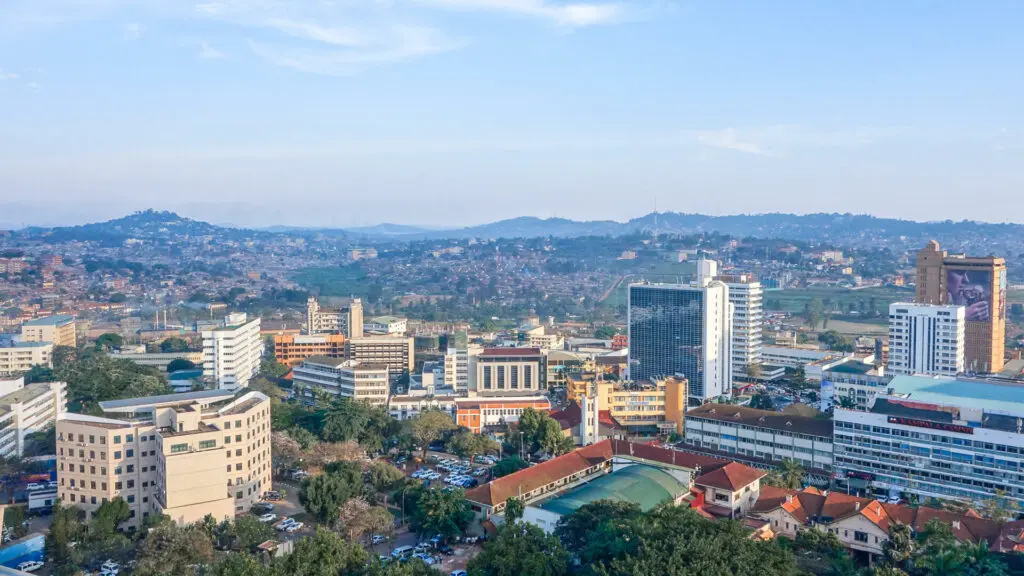
A sunset cruise on Lake Victoria departing from either city offers perspectives on local fishing traditions, waterfront life, and stunning views across Africa’s largest lake.
Mountain & Wilderness Escapes
The Rwenzori Mountains – the fabled ‘Mountains of the Moon’ – rise along the western border, their highest peaks crowned with equatorial glaciers. Multi-day treks through this UNESCO World Heritage Site traverse otherworldly escapes: moss-draped forests, bamboo zones, heather moorlands, and alpine meadows dotted with giant lobelias. Experienced trekkers can attempt the summit routes to Margherita Peak (5,109 meters), but lower-elevation circuits offer spectacular scenery without technical climbing.
Jinja is where the mighty Nile begins its 6,650-kilometre journey to the Mediterranean. This riverside town has emerged as East Africa’s adventure sports capital, famous for world-class white-water rafting through Grade IV and V rapids, kayaking, stand-up paddleboarding, bungee jumping, and boating.
The Great Rift Valley’s dramatic landscapes are carved into Uganda’s western region. Crater lakes dot the landscape near Fort Portugal, offering the chance to swim and kayak in these deep, mineral-rich lakes tucked between steep crater walls blanketed in tropical vegetation.
Culture, Food, & Language
Hospitality and Local Etiquette
Ugandans are consistently ranked among Africa’s warmest, most welcoming people. ‘Hospitality’ isn’t merely a tourism industry buzzword here – it’s a reflection of genuine cultural values, and you’ll encounter it wherever you go, from villages to big cities.
Understanding local etiquette enhances your experience and shows respect. It’s common to greet people, even for simple transactions, with a ‘Hello, how are you?’ When greeting elders or in rural areas, a slight bow or curtsy demonstrates respect.
Photography etiquette requires some sensitivity. Always ask permission before photographing an individual, especially in rural areas. Never photograph military installations, government buildings, or airports.
Tipping is not obligatory, but it is appreciated for good service.
Culinary Highlights
Ugandan cuisine is based on hearty, satisfying dishes that reflect the country’s agricultural abundance. Matoke (steamed green bananas) are the national staple – a starchy accompaniment similar to potatoes, and goes well with sauces and stews.
Groundnut (peanut) sauce features in many dishes, coating vegetables, meat, or fish in a creamy, slightly sweet sauce. Luwombo, a traditional Buganda preparation, steams chicken, beef, or fish with vegetables inside banana leaves, infusing everything with subtle herbal flavours.
Street food offers adventurous eating. Rolex – a chapati rolled around eggs and vegetables – provides quick, tasty sustenance. Muchomo (grilled meat on skewers) sizzles at roadside stands, while vendors offer fresh tropical fruits: mangoes, pineapples, jackfruit, and passion fruit.
Language Tips & Useful Phrases
English serves as Uganda’s official language alongside Swahili, making communication pretty straightforward for English speakers. However, learning a few phrases in Luganda (the most widely spoken local language) demonstrates respect and delights locals:
- Hello: Nkulamisuzza (formal) or Ki kati (casual)
- How are you: Oli otya?
- I’m fine: Nddi bulungi
- Thank you: Weebale
- Yes: Ye
- No: Nedda
- Pleqase: Mwebale kusobola
- Goodbye: Weraba
In rural areas, Swahili phrases also work well:
- Hello: Jambo
- Thank you: Asante
- How much?: Bei gani?
- No problem: Hakuna matata
Perfect pronunciation is secondary to the attempt and will be received warmly. Locals respond enthusiastically when visitors try to speak their language and will often try to teach additional phrases and share a laugh over mispronunciations.
Adventure Activities in Uganda
White Water Rafting & Nile Rapids
The Nile River’s upper reaches near Jinja deliver some of the world’s most exhilarating white-water rafting. Multiple companies operate full-day and half-day trips through Grade III to V rapids bearing such names as ‘The Bad Place,’ ‘Vengeance,’ and ‘Overtime.’ These are not gentle floats – expect to go through churning water. Expect to be thrown from your raft. Expect an adrenaline rush like few others.
Safety standards are high, with experienced guides, quality equipment, and thorough briefings. Most operators cater to all experience levels, from first-timers to seasoned rafters.
Less intense adventures are also available, such as kayaking and stand-up paddleboarding, which operate on slower sections of the Nile.
Boating Safaris
Water-based wildlife viewing offers unique perspectives and access to species rarely seen on land-based game drives. Boating safaris combine relaxation and excellent animal encounters.
In Queen Elizabeth National Park, the Kazinga Channel boat cruise ranks among Uganda’s finest wildlife experiences. Two to three-hour trips glide past hippo pods numbering in the hundreds, elephants emerging from the bush to drink and bathe, buffalo herds grazing shoreline grass, and crocodiles lurking in shallows. The birdlife dazzles: African fish eagles, malachite kingfishers, pied kingfishers diving for prey, herons, storks, and countless waterbirds.

At Murchison Falls, boat trips approach the thundering waterfalls from below, offering an exciting perspective as the Nile compresses through the gap and plunges below. In calmer sections of the river, hippos yawn, crocodiles bask on exposed rocks, and elephants occasionally enjoy a swim.
Lake Mburo National Park offers more intimate boat experiences on its namesake lake, with excellent birding and hippo encounters in a peaceful setting.
Hiking in the Highlands & Mountains
Beyond the famous Rwenzori treks, there are plenty of exceptional hiking opportunities. The Virunga Volcanoes chain along the Rwanda border offers challenging volcano climbs with spectacular crater views. Mount Muhavura (4,127 meters) and Mount Gahinga provide full-day ascents through different vegetation zones.
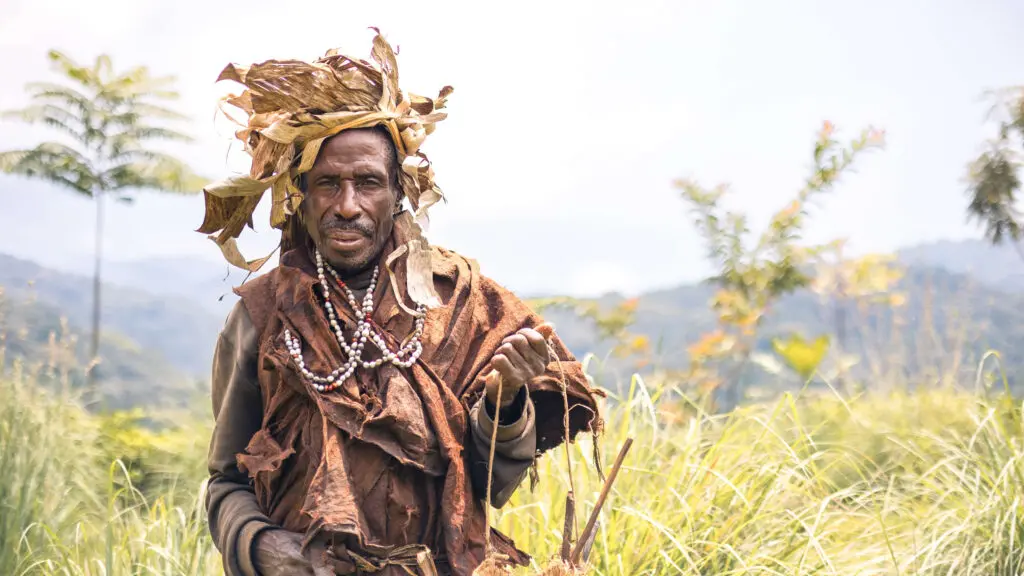
In Mgahinga Gorilla National Park, hiking trails explore bamboo forests, volcanic calderas, and caves historically used by the Batwa people. These walks combine physical challenge with cultural and ecological learning.
The Crater Lakes region near Fort Portal offers gentler hikes through rolling landscapes studded with jewel-like lakes. Trails connect multiple crater lakes, descending steep walls to waterside viewpoints and climbing to panoramic vistas across dozens of lakes stretching to the horizon.
Even within national parks, guided nature walks provide intimate encounters impossible from vehicles. Tracking animals on foot, closely examining vegetation, learning about traditional plant uses, and moving quietly through habitats all contribute to creating safari experiences of a different quality than game drives.
Birdwatching & Nature Walks
Birding safaris in Uganda operate year-round, with seasonal variations influencing which species appear. Guided walks with expert birding guides maximise sightings – these specialists identify by call, understand habitat preferences, and position groups for optimal viewing.

Nature walks extend beyond birding. Knowledgeable guides explain medicinal plants, point out insects, interpret animal tracks, and share ecological relationships that create ‘aha’ moments about how ecosystems function. Walking safaris suit all fitness levels – from gentle lodge-surrounding strolls to multi-hour expeditions.
Wildlife Cruises & Tracking Beyond Gorillas
Uganda’s terrestrial wildlife extends far beyond primates. Game drives in Queen Elizabeth, Murchison Falls, Lake Mburo, and Kidepo Valley national parks reveal the full spectrum of African animals: lions, leopards (rarely seen but present), elephants, buffalo, various antelope species, warthogs, and unique species like Uganda kob.
Chimpanzee tracking in Kibale Forest or Kyambura Gorge offers primate encounters that differ from those of gorilla trekking. Chimps are more active and acrobatic, swinging through the canopy, vocalising loudly, and displaying complex social behaviours. Tracking them involves hiking through a beautiful forest while guides interpret sounds and signs to locate habituated groups.
Night game drives reveal nocturnal species: leopards hunting, bush babies leaping between branches, hyenas on patrol, and countless eye-shine reflecting spotlights.
Conservation & Responsible Travel
Supporting Local Communities
Tourism in Uganda increasingly recognises that conservation succeeds only when local communities benefit directly. Asilia actively supports community welfare through employment, procurement, and specific initiatives that channel tourism revenue toward local development.
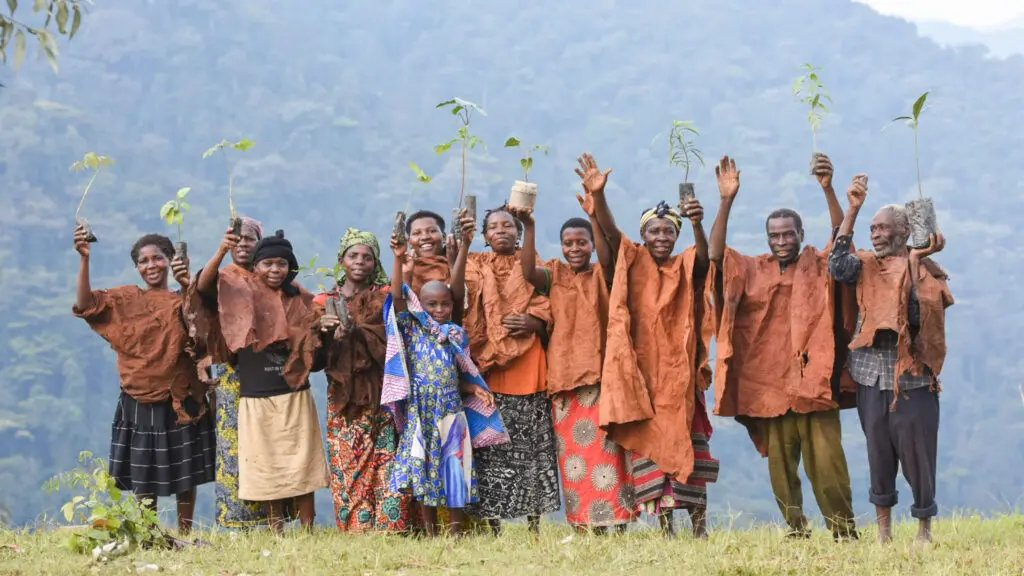
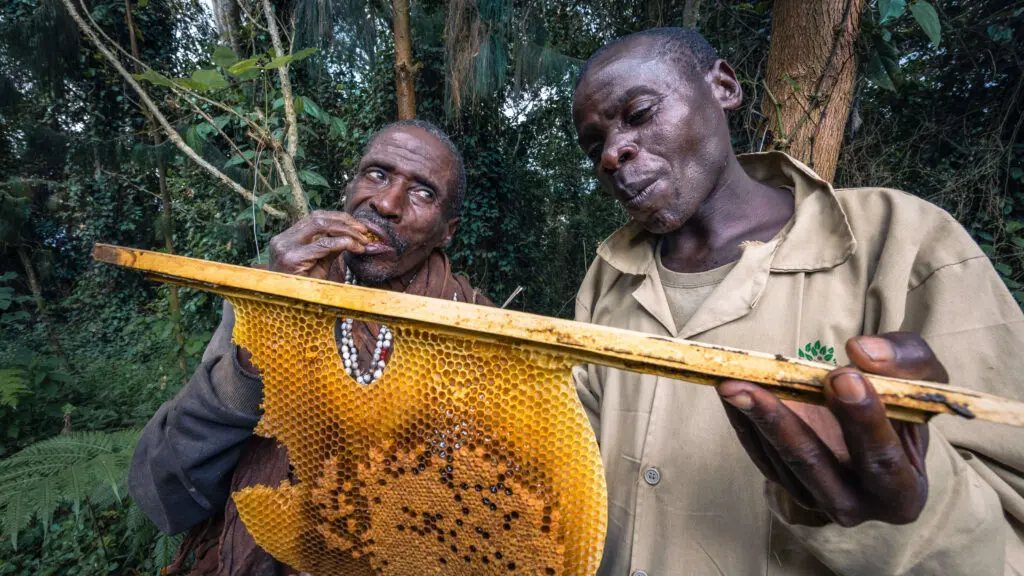
Through organisations like Change a Life Bwindi tourism funds programmes that offer tangible benefits to the Batwa and Bakiga communities around Bwindi.
Asilia’s Erebero Hills Initiative & Reforestation Efforts
Asilia’s commitment to conservation extends beyond operating existing camps and lodges to actively restoring degraded habitats. Nowhere is this more visible than in our new lodge, Erebero Hills.
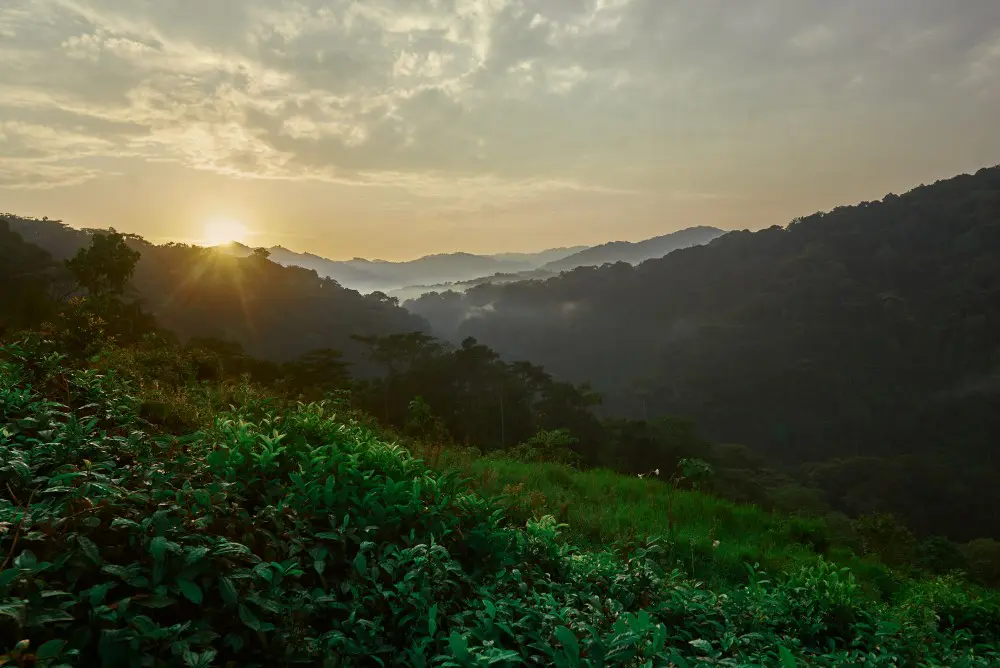
This project is transforming degraded agricultural land bordering Bwindi into reforested buffer zones that benefit wildlife, communities and travellers. Over 25,000 indigenous trees have been planted, creating habitat corridors that allow wildlife to move between forest patches while reducing human-wildlife conflict.
In addition, the bamboo lodge, opening in 2026, is built from sustainable, renewable bamboo, using local craftsmanship. Once operational, revenue from the lodge will go towards ongoing reforestation, community projects, and wildlife monitoring.
Sustainability in Lodging & Tourism Practices
Asilia’s properties across East Africa implement comprehensive sustainability practices that minimise environmental impact while maximising community benefit.
Environmental management practices at our lodges include solar power, water-saving fixtures, waste reduction and recycling. Food is locally sourced when possible, and staff recruitment prioritises local employment, providing training and development opportunities.
Conservation funding flows through multiple channels that support habitat management and anti-poaching operations.
Start planning your unforgettable Ugandan safari today.