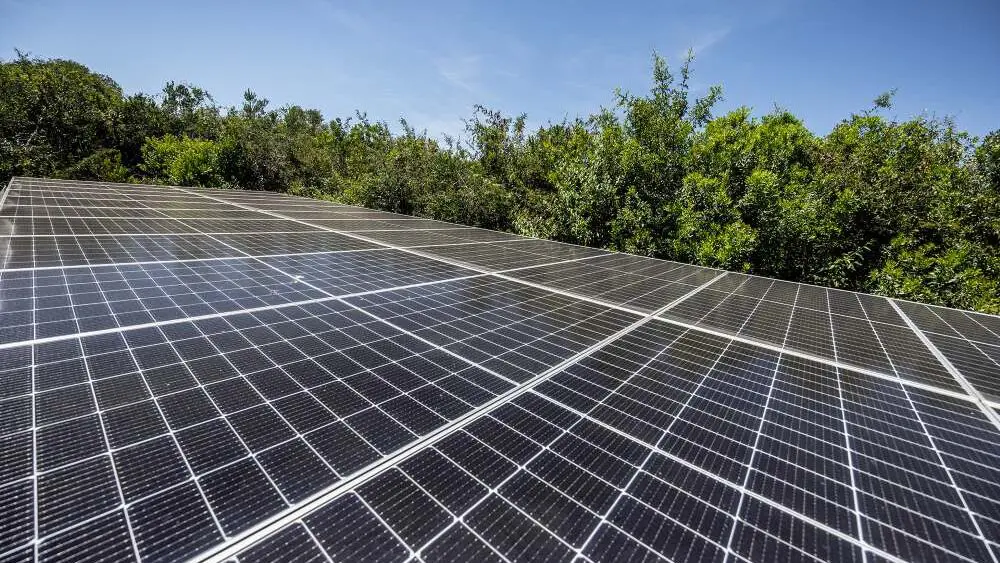
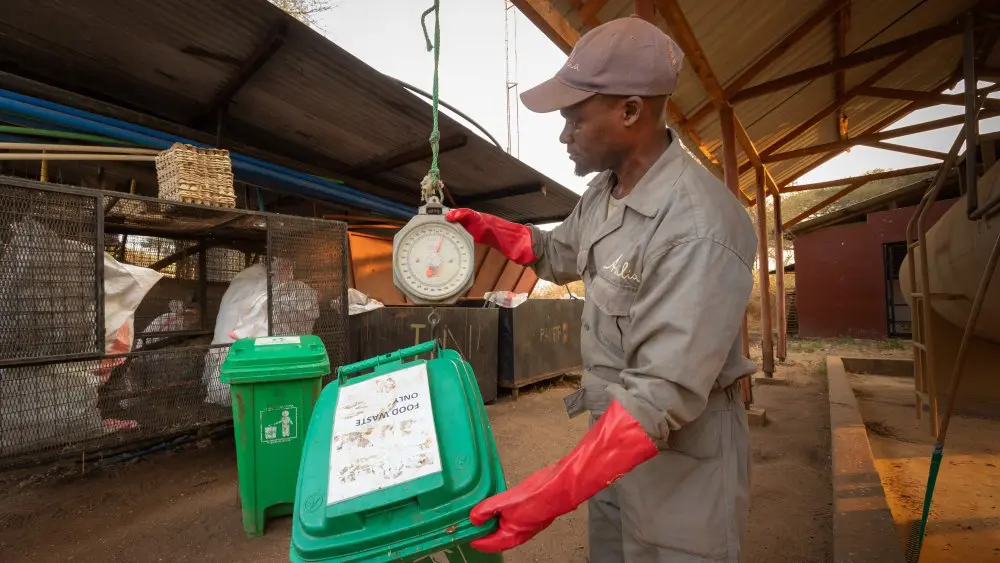
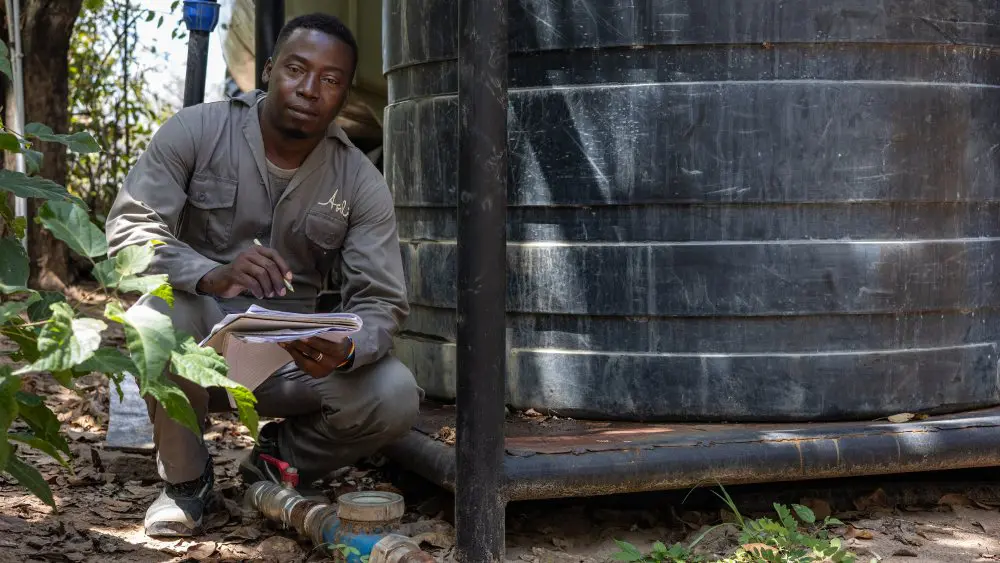
At Jabali Ridge, Shukuru Ngaga reads the water meters. He has worked at the camp for three years and, alongside his other responsibilities, is the designated Eco-Warrior. He weighs the waste and records it. Reads the water meters and monitors the solar system, carefully tracking the data.

He knows that water use rises when there are more guests in camp, and he knows that sometimes a sudden rise means something else. When a reading looks wrong, he goes looking for the reason. More than once, the reason has been a leak. By following the data and intervening early, Shukuru can prevent considerable water wastage.
There are hundreds of measurements like this being taken across our 18 camps and lodges each day. A water-meter reading. Kilograms of food discarded from a kitchen. Plastic separated for recycling.
Until recently, bringing all this data together was surprisingly difficult. Many of the readings were captured in paper logs and different reporting formats. We knew what we wanted to measure, but consolidating it meant manually transferring information from one place to another, which was time-consuming and left room for human error in transcription.
The obvious answer was a better system. Finding one was less obvious.
Building a better system
Terri Jardine, Senior Product Owner at Nawiri Group, remembers the problem plainly: “We knew what we wanted to measure, primarily water, fuel, waste, food, and produce, but stitching it together was manual, slow, error prone and unreliable.”
Terri and a small cross-functional team began experimenting to see what they could build, trying out a few low-code approaches. The first version was built on PowerApps, but didn’t work well in a camp environment. The next version was built using AppSheet which worked but the per-user pricing made it difficult to roll out at scale.
The team took what they had learnt from both attempts, along with feedback from the camps, and tried again. “The third version, which I vibecoded, became CampMetrics,” says Terri. It was “designed for simplicity, and to work offline, so the people using it in camp can do everything in one place.”
“We also realised that recognising that every camp is slightly different was important. One camp might have several water meters covering front of house, back of house, rainwater and grey water, while another has only one. Some have vertical gardens and record what they harvest but others don’t grow produce at all. So, while we capture consistent data points, for example always measuring opening and closing meter readings, we also made CampMetrics configurable by camp, allowing them to switch categories or some measurements off according to what is relevant to them.”
Teams can see their own information through dashboards, look at daily, weekly and monthly performance and export reports themselves. The app launched at the end of last year in September 2025 with a small number of camps trialling it. By the end of the year all (then) 17 camps had moved exclusively to CampMetrics. In the first seven months of running the app, close to 20,000 real-time entries have been recorded, giving us a far more complete picture of resource use and waste across our safari operations. Historical data was also imported back to January 2024, creating a 28-month baseline against which camps can understand trends and set meaningful targets.
From measurement to action
Technology alone does not reduce environmental impact, and data alone doesn’t make our camps more sustainable. Its value comes from giving people the information they need to act.
At Roho ya Selous in Nyerere National Park, Hpseni Seif Mkumba has learnt approximately how much water the camp should use in a month. He grew up locally, in Mloka, where the availability of water is closely connected to everyday life. When the readings look high, he checks pipes and looks for wastage. He explains, “High readings can often be down to leaks, which we can fix quickly. Most recently it alerted me to a leaking seal in a toilet due to a small amount of sand blocking the siphon. Without water readings, things like this are unlikely to be spotted as quickly as they are now.”
The data is also helping teams look upstream. Plastic waste often spikes when camp supplies arrive, so sustainability teams have been working with suppliers on biodegradable packaging and bulk purchasing to reduce unnecessary plastic before it enters camp. Similar thinking is being applied to food waste which can be separated into preparation waste, food left by guests and stock that has spoiled. This visibility has sparked conversations with suppliers about the produce we buy, on how we store food so that it lasts longer, and how considered portion sizing can prevent waste before it happens.
The CampMetrics platform is helping teams connect their everyday actions in camp with a much bigger sustainability picture, creating a shift from data collection towards data-led performance management. Sustainability in remote safari camps will always depend on people making thousands of small decisions. CampMetrics makes those decisions visible and measurable, ensuring there is better information in the hands of the people who can use it and turn sustainability from something we report on into something our teams can manage, question and improve.
Discover more about the people, projects and partnerships driving our sustainability efforts.