The safari landscape is evolving. Increasingly, travellers who return for their second, third, or even fourth African journey are seeking experiences that go beyond the well-known routes. They want fewer vehicles at wildlife sightings, a more meaningful connection with the land, and the genuine sense of wildness that comes from exploring less-travelled areas.
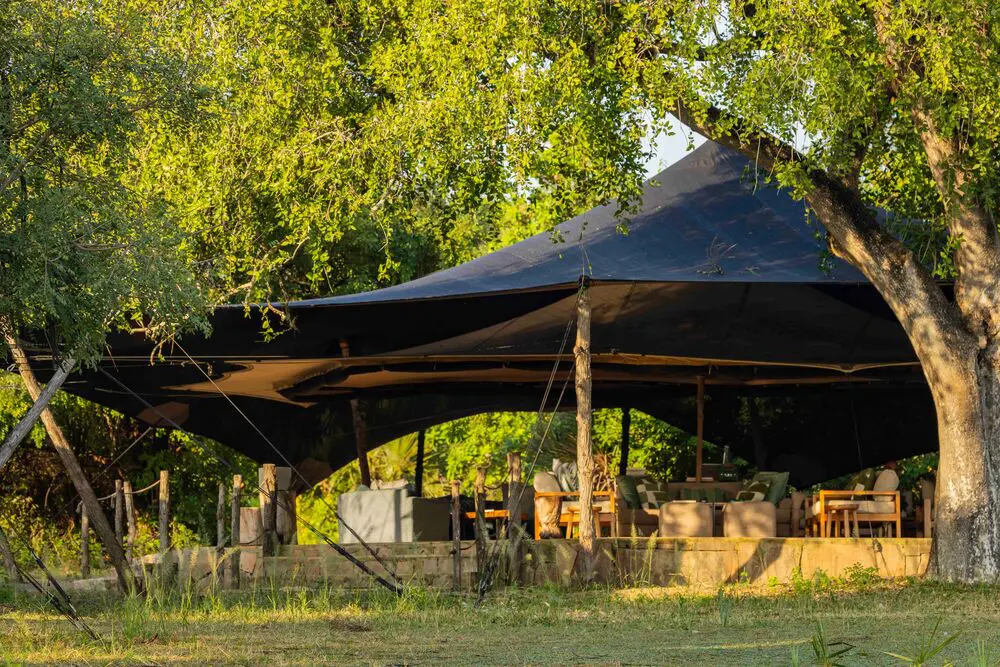
This is not about overlooking or detracting from those perennially popular destinations in the Serengeti and Maasai Mara, but about recognising that some of East Africa’s most meaningful safari experiences are found off the well-worn tourist routes, where conservation efforts are both vital and personal, and each visit directly contributes to the protection of wildlife and habitats.
Hidden safari gems offer a more rewarding experience for travellers seeking space and exclusivity. In 2026, as interest in slow travel and wellness-focused journeys continues to grow, these remote areas will provide opportunities for personal, unhurried encounters with nature.
This guide highlights Asilia’s most compelling hidden gems, selected for their remoteness, seasonal wildlife spectacles, conservation importance, and their capacity to deliver transformational safari experiences.
January – March: Best Hidden Gems for the New Year Explorer
Namiri Plains, Eastern Serengeti
The eastern Serengeti remains a well-kept secret, distinct from the busier western and southern regions. The area surrounding Namiri Plains was closed to tourism for two decades to protect cheetah populations, a conservation approach that has proven successful.
Namiri is a hidden gem because its location within the Serengeti ecosystem ensures fewer visitors and rare, private sightings. The eastern plains only opened to tourism in 2014, and still benefit from reduced guest numbers. This allows for undisturbed wildlife moments that enrich the overall safari experience.
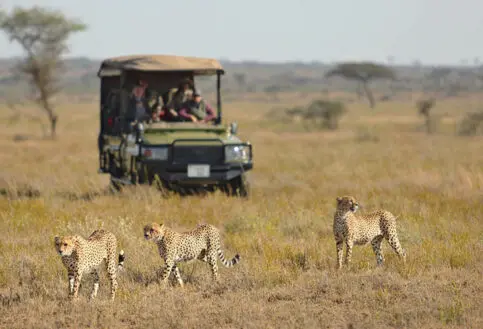
From January to March, Namiri Plains is especially notable for its high density of cheetahs, with open grasslands providing ideal hunting grounds. The area is also home to resident lion prides and leopards lazing on rocky outcrops. During this period, the landscape is at its most striking with golden grasses, dramatic skies, and wildlife gathering at remaining water sources.
Namiri Plains is great for photographers seeking big cat sightings without crowds, experienced safari-goers looking for a new perspective of the Serengeti, and anyone looking for a more intimate experience.
Seasonal highlights include dramatic predator-prey interactions and very few other vehicles about.

Roho ya Selous, Nyerere National Park
While northern Tanzania attracts much of the safari attention, Nyerere National Park (formerly Selous Game Reserve) remains largely undiscovered, with its appeal found in its seclusion. Roho ya Selous offers guests the chance to explore on foot and by boat, experiencing a landscape that is distinct from the northern parks.
Nyerere is considered a hidden gem because it receives far fewer visitors than the northern circuit. Its riverine forests, open floodplains, and dense miombo woodlands offer a sense of wilderness that is difficult to find in more frequently visited parks.
From January to March, the summer rains transform the landscape, creating lush conditions ideal for walking safaris. Temperatures are comfortable, wildlife viewing is excellent, and guests can enjoy walking, boating, and game drives all in one day, a combination rarely available elsewhere in Tanzania. Birdlife is abundant, with many migratory species, and the Rufiji River system is alive with hippos, crocodiles, and waterbirds.
Nyerere National Park is well suited to active travellers who wish to explore the bush on foot, river enthusiasts, and those seeking a diversity of experiences rather than simply high concentrations of wildlife. It is ideal for guests who value wildness and solitude.
Seasonal highlights include walking and boat safaris, opportunities to observe wild dog denning, prolific birdlife, and the chance to explore Africa’s largest protected wilderness on foot.
April – June: Best Hidden Gems for Quiet-Season Travellers
Dunia Camp, Central Serengeti
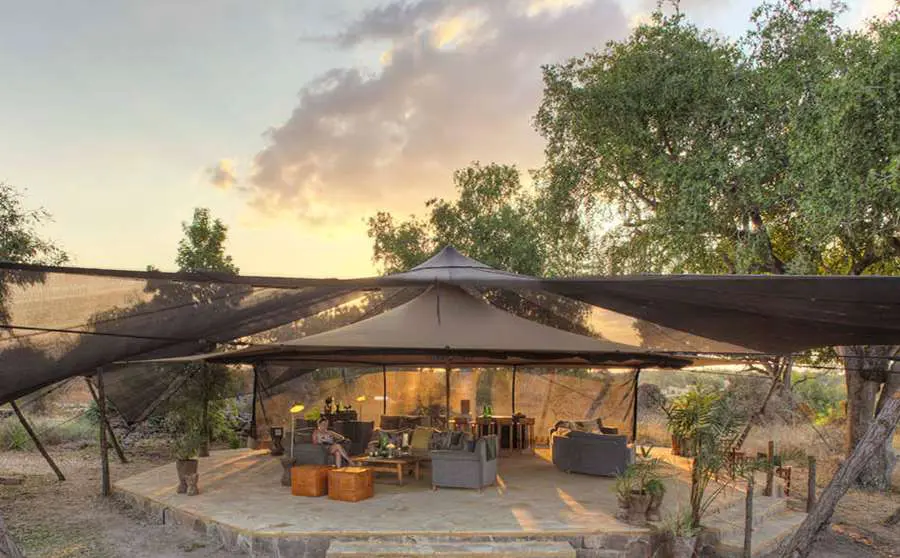
Located in the southern part of the central Serengeti, Dunia Camp is set in prime big cat territory that many travellers only pass through on their way to the Mara River. The first and only all-women-operated camp in the Serengeti, Dunia is a gentle haven off the main tourist route.
Dunia is a hidden gem because its location and design allow guests to experience the Serengeti in a way reminiscent of early explorers: close to nature and with a sense of true immersion. Guests benefit from greater intimacy with the landscape and fewer crowds than on the more popular routes.
From April to June, the ‘emerald season’ brings new life to the Serengeti. The rains turn the landscape green, resident wildlife remains active and plentiful, and guests can enjoy large areas of this vast ecosystem in near solitude. Dunia Camp offers excellent value during this time, with outstanding photography opportunities enhanced by dramatic skies and lush scenery. The Migration passes through this area during this period, creating the opportunity to experience the herds without the crowds and at green season prices.
Dunia Camp is ideal for travellers seeking an authentic safari, photographers who appreciate unique lighting and green landscapes, and guests looking for high-quality experiences at excellent value. It is also well suited to those who value the journey as much as the destination.
Seasonal highlights include outstanding predator sightings and abundant migratory birds.

The Highlands, Ngorongoro Conservation Area
Perched at the edge of the Olmoti Crater in the Ngorongoro Highlands, The Highlands offers a strikingly different experience – a high-altitude camp where misty mornings and cool mountain air redefine what a safari can be.
The Highlands is a hidden gem because, while most visitors to Ngorongoro only visit the crater for a day, this camp encourages guests to stay and explore the wider landscape. Guests can discover ancient craters, walk through montane forests, and experience the conservation area beyond its well-known center.
From April to June, the long rains bring dramatic cloud formations, lush highland vegetation, and seasonal waterfalls. The altitude ensures comfortable temperatures, even when lowland parks are warmer. Cultural experiences are authentic and closely connected to the highland environment.
Who it suits: travellers seeking atmospheric, moody landscapes and meaningful cultural experiences with local Maasai.
Seasonal highlights include visits to Empakaai Crater’s flamingo lake and the seasonal waterfalls of Olmoti Crater, as well as the bright blooming of wildflowers.

July – September: Best Hidden Gems for Peak-Season Escapes
Oliver’s Camp, Tarangire National Park
While the Serengeti and Ngorongoro are well known on northern Tanzania’s safari circuit, Tarangire is often overlooked. Oliver’s Camp offers an intimate walking safari experience in one of Tanzania’s most rewarding national parks.
Tarangire is a hidden gem because it receives far fewer visitors than the Serengeti, allowing for exceptional elephant encounters without crowds. Oliver’s Camp provides even greater exclusivity as the only permanent camp in its concession and offers unique walking safaris. Guests benefit from close wildlife experiences and flexible activities.
From July to September, the dry season draws wildlife to the Tarangire River and other water sources, resulting in excellent game viewing. Large elephant herds, sometimes in the hundreds, are a highlight. Unlike many parks where activities are limited to vehicles, Oliver’s Camp allows guests to experience the landscape on foot, walking with elephants, tracking predators, and exploring the bush with an experienced guide for a deeper understanding of the ecosystem.
Oliver’s Camp is ideal for active travellers who wish to engage closely with the landscape, elephant enthusiasts, and photographers.
Seasonal highlights include large elephant herds, walking safaris, and incredible birding safaris.

Jabali Ridge, Ruaha National Park
Tanzania’s second-largest park, Ruaha, remains largely undiscovered. Jabali Ridge offers superb luxury, excellent wildlife viewing, and a landscape of remarkable beauty.
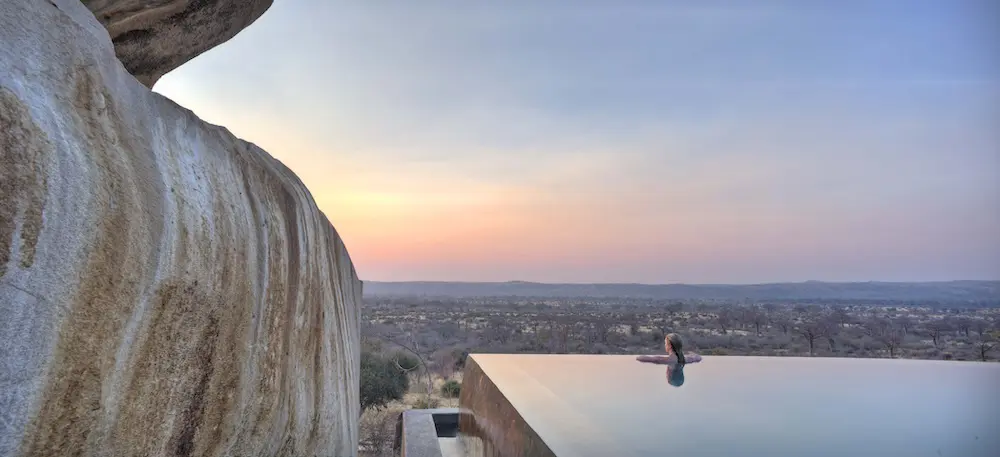
Ruaha is a hidden gem because its remote location keeps visitor numbers low. Those who make the journey discover one of Africa’s wildest protected areas, where game drives often take place without seeing another vehicle. Jabali Ridge enhances this sense of exclusivity, perched on a kopje with sweeping views and is one of only a few camps in this vast wilderness.
From July to September, the dry season brings Ruaha to its best. Wildlife gathers along the Great Ruaha River, predators are frequently seen in their hunting grounds, and visibility improves as vegetation thins. Jabali Ridge’s location allows guests to observe elephants and buffalo from their suites, and game drives regularly provide sightings of lions, leopards, cheetahs, and wild dogs.
Jabali Ridge is ideal for wildlife enthusiasts seeking outstanding predator viewing, guests who value exclusivity and thoughtfully designed accommodation, photographers who appreciate dramatic landscapes, and anyone who prefers a safari experience without crowds.
Seasonal highlights include thriving populations of lions, leopards, and wild dogs, large elephant herds, over 570 bird species, baobab-dotted landscapes, and the unique experience of exploring 20,000 square kilometres with very few other visitors.
October – December: Best Hidden Gems for End-of-Year Adventures
Rubondo Island Camp, Lake Victoria
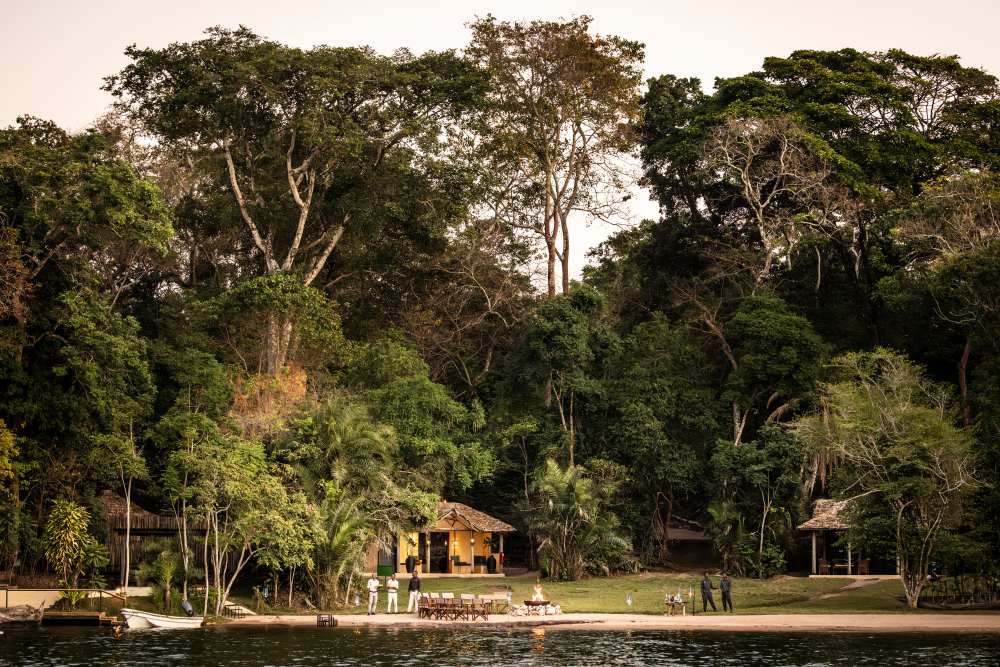
Rubondo Island is a wilderness in Lake Victoria that remains unknown to many safari-goers. The island offers forest walks, chimpanzee tracking, sport fishing, and a sense of remoteness that appeals to adventurous travellers. Rubondo Island Camp provides comfortable access to this unique destination.
Rubondo is a hidden gem because, as an island in Lake Victoria without large predators, it offers a distinctive wildlife experience. The island is a testament to conservation innovation, with successful reintroductions of elephants, giraffes, and chimpanzees in a unique ecosystem.
From October to December, the short rains attract migratory birds and create lush forest conditions ideal for walking. Chimpanzee trekking is particularly rewarding as they forage for the plentiful fruit, and Nile perch fishing is at its best. Guests can explore the forest on foot with a guide, experiencing the landscape without vehicles or roads.
Who it suits: Birders (370+ species, including forest specialists and lake endemics). Sport fishing enthusiasts. Travellers wanting a completely non-traditional safari experience.
Seasonal highlights include chimpanzee tracking and sightings of the rare sitatunga antelope.
Emboo Camp, Maasai Mara
Here’s Kenya’s best-kept secret: you can experience the Maasai Mara in a quieter way. Emboo Camp offers extraordinary wildlife and a conservation model that directly benefits local Maasai communities. Their fully electric fleet means your game drives are much quieter without engine noise.
Emboo is a hidden gem because it offers excellent wildlife viewing in a secluded area. Emboo’s location allows guests to observe the high concentrations of wildlife year-round with relatively fewer other guests about.
From October to December, after the migration season, the Maasai Mara reveals its authentic character. Resident predators reclaim their territories, prey populations are strong, and the short rains bring renewed greenery. Visitor numbers decrease significantly, yet wildlife viewing remains excellent.
Emboo Camp is ideal for travellers seeking the Mara experience in a more intimate setting, environmentally conscious travellers, and anyone seeking varied experiences.
Seasonal highlights include thriving populations of resident lions, leopards, and cheetah.

How to Build a Hidden-Gems Safari Itinerary
Asilia Africa’s hidden gems are easily combined with each other and with classic destinations, allowing for a seamless and rewarding safari experience. Visit our camps and lodges and curate your own itinerary with the help of one of our safari specialists, or head over to our itinerary finder, where you can book an existing itinerary as-is or use it as a starting point and make it your own.
Planning Your Hidden-Gems Safari
One of the most notable aspects of Asilia’s hidden gems is that they are accessible yet often overlooked. Each destination provides exceptional guiding, comfortable accommodation, and a meaningful contribution to conservation.
There are places where safari still feels like discovery. Where wildlife encounters unfold without an audience. Where the silence isn’t just the absence of noise – it’s the presence of wilderness.
Whether you’re planning your first safari or your tenth, 2026 is the year to venture beyond the expected.