A building may begin with architecture, but it is often what happens inside that turns it into a place you remember.
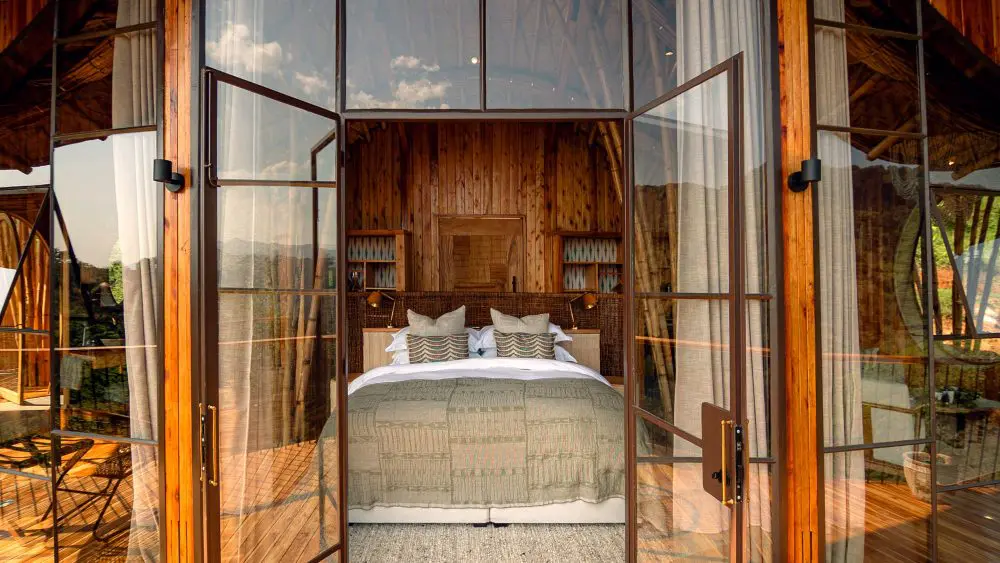
At Erebero Hills, those details are everywhere. Bark cloth and banana fibre. Clay, timber and stone. Hand-blown glass and woven grasses. Objects shaped by hand, materials connected to the landscape and pieces created specifically for the spaces they inhabit. Behind the interior vision that brought these elements together is Drift Design.
As the first chapter in our Meet the Makers series, we begin with the team responsible for shaping the interiors of Erebero Hills, and whose work helped create a platform for many of the Ugandan artisans and makers whose stories we will share in the chapters to come.
From concept to creation
Founded by James and Suzie Lightfoot, Drift Design grew from a small artisanal company creating bespoke, sustainably made décor and furnishings into a multidisciplinary design firm working across interior, architectural and product design. That origin remains important to the way they work today.
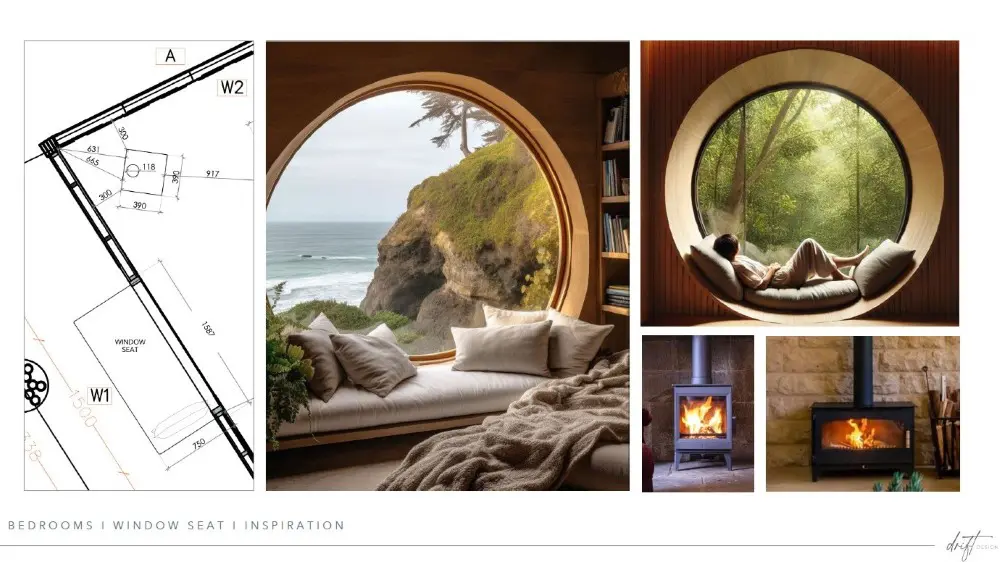
Rather than approaching a project simply by sourcing finished pieces to fill a space, Drift places emphasis on understanding where things come from, who makes them and how traditional materials and techniques can become part of contemporary design. “We believe in ethical sourcing without compromising the finish; going to the source, supporting local artisans, melding designs and processes to ensure functionality with design.”
At Erebero Hills, Drift Design was responsible for the end-to-end interior design strategy and execution, working alongside Asilia to identify artisans and collaborators capable of bringing that vision to life. But before deciding what should fill the lodge, there was a more fundamental question to answer: how should its interiors make you feel?
Designing in the shadow of Bwindi
There are few landscapes capable of competing for attention with Bwindi Impenetrable Forest. Drift decided not to try. “There was never any question of competing with Bwindi Impenetrable Forest or the gorillas for attention, because they are the emotional centre of the guest experience.” Instead, the interiors were conceived as an extension of their surroundings.
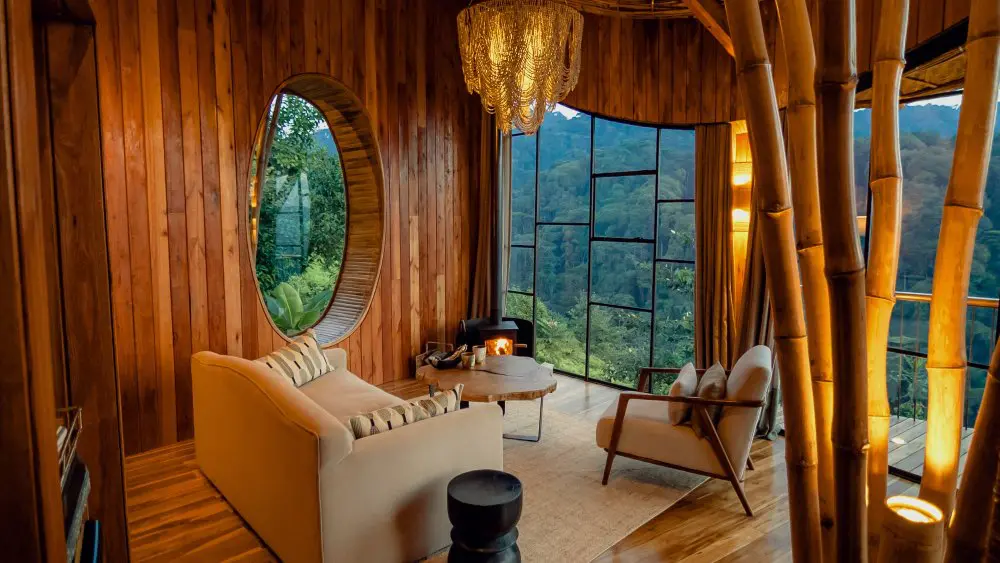
The sculptural, organic architecture created by Pablo Luna helped establish the language Drift would follow inside. Softness, movement and natural forms became part of spaces intended to feel inseparable from the landscape rather than imposed upon it.
Drift describes the idea evocatively: a lodge that feels as though it might be reclaimed by the forest the moment your back is turned.
It is a fitting image for Erebero Hills. Here, Bwindi is never simply something viewed through a window. Vegetation surrounds the pathways, forest fills the horizon and the changing light constantly alters the mood of the spaces. The interiors needed to belong within that experience.
A palette borrowed from the forest
Look around Erebero Hills and the colours feel familiar even before you consciously recognise why. Earthy greens mirror the vegetation outside. Deep browns, ochres, charcoal and soft stone tones draw from the forest floor, tree trunks and earth. Natural materials continue the connection through bark cloth, banana fibre, clay, timber, stone and woven grasses.
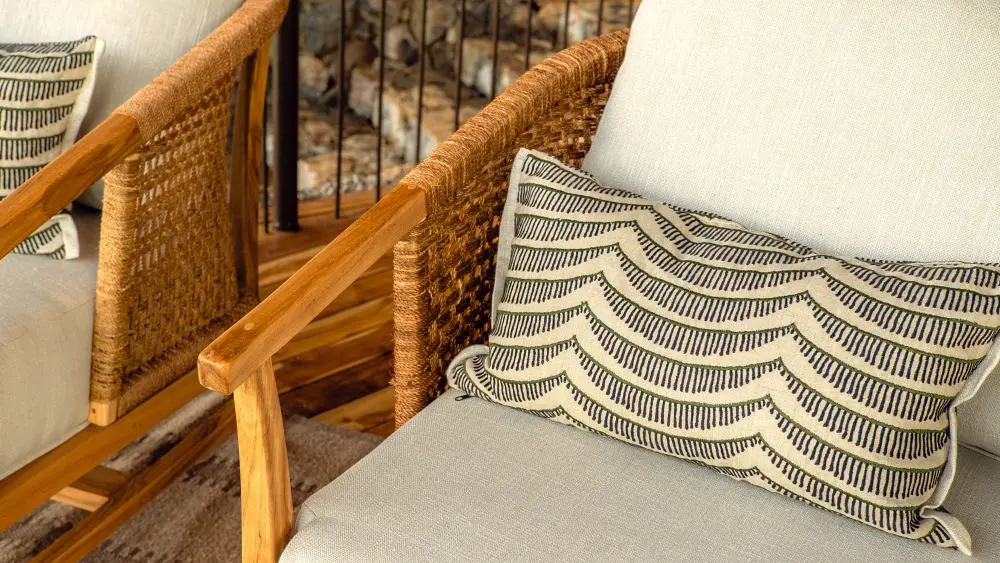
The inspiration extended beyond the physical landscape to the people with the longest relationship with it. For generations, the Batwa lived within the forests of Bwindi, developing a deep knowledge of the plants and materials around them. Their relationship with the forest helped inform a palette rooted in the colours, textures and natural resources of this particular part of Uganda. For Drift, that sense of place was essential.
Some of the artisans involved came through relationships developed during previous projects in Uganda. Others were discovered through research and recommendations, followed by the sampling and experimentation required to translate an idea into something that could live within the lodge. What mattered was that the finished spaces should not feel as though they had been designed elsewhere and decorated with Ugandan objects afterwards. They needed to belong here from the beginning. Made for Erebero
That philosophy explains why so many of the details throughout Erebero Hills have a story behind them. Drift has a particular passion for commissioning pieces rather than simply choosing something that already exists. Working directly with makers creates an opportunity for traditional craft and contemporary design to meet, while allowing an object to respond specifically to the space for which it is intended.
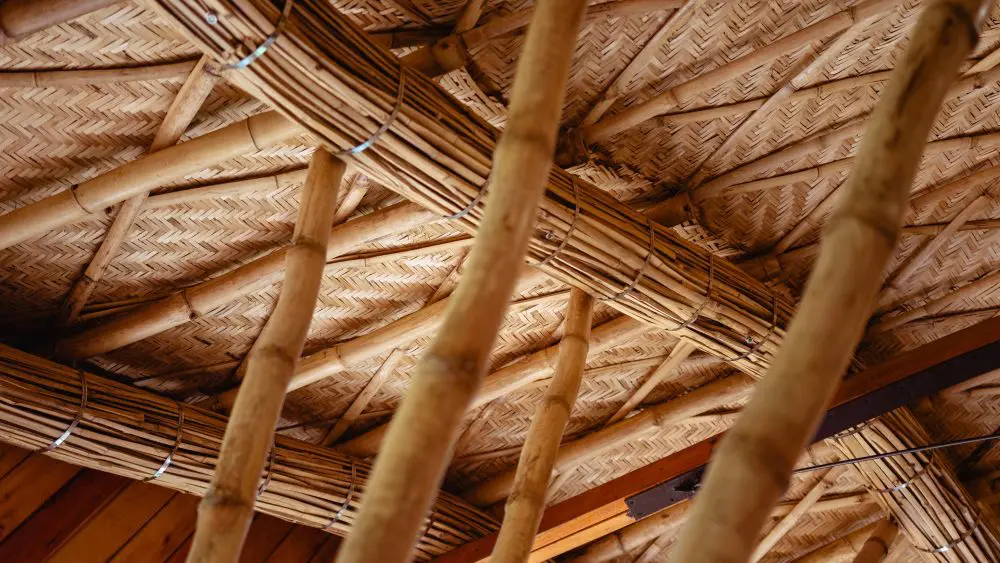
At Erebero Hills, that approach brought together carved timber, woven fibres, clay, bark cloth, hand-blown glass and other materials shaped by different hands and different traditions. The result is not uniformity. Instead, it is a collection of individual contributions held together by a common sense of place. And it is here that the wider Meet the Makers story begins. Behind many of the pieces guests see and touch at Erebero Hills are people whose skills, materials and creative processes deserve a closer look. Over the coming chapters, we will step beyond the completed interiors to meet some of those makers and understand what they contributed to the lodge.
Designing for what happens after the forest
Perhaps the most interesting element of Drift’s approach is that the interiors were not designed purely around what guests see. They were designed around what guests feel. A day in Bwindi can leave a lasting impression. Return from time spent beneath the canopy – particularly following an encounter with mountain gorillas – and the emotion does not disappear simply because you have stepped back inside.
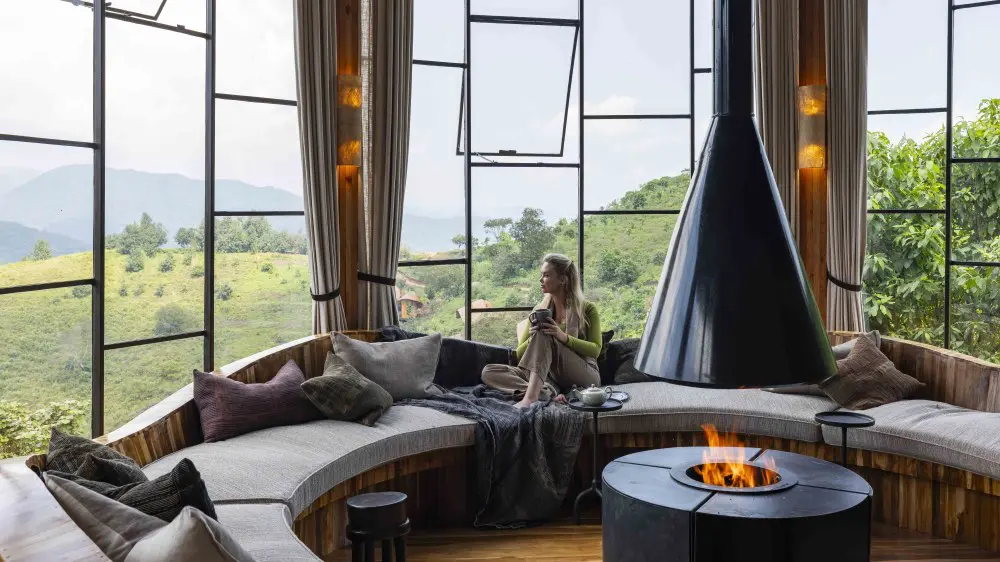
Drift wanted the lodge to meet guests in that moment. Warm, lantern-like lighting replaces the filtered light of the forest. Tactile materials invite touch. Open layouts maintain a connection to the landscape, while the rooms offer a quieter, more cocooning sense of retreat. As Drift explains, aesthetics and emotion are difficult to separate. Materials themselves can create warmth, intimacy, rootedness and connection. Luxury, in this context, is not intended to transport you away from Bwindi. It allows you to remain connected to it.
A place for stories to settle
Ask Drift to identify a single detail that captures the spirit of Erebero Hills and the answer is not straightforward. Perhaps appropriately, it is the way everything works together that they value most.
Materials reveal themselves gradually as you move through the lodge. Views repeatedly draw your attention back towards the trees. Textures and objects provide subtle reminders of the landscape and the people connected to it. There is, however, one space particularly close to their hearts. The fire seating area brings together warmth, storytelling and connection. After a day spent exploring Bwindi, it becomes somewhere to gather and begin turning what has just happened into a story.
That may ultimately be the best expression of what Drift Design has created at Erebero Hills. The interiors do not ask you to forget the forest when you come inside. They give the experience somewhere to settle.
Pause to look closely at the objects and materials surrounding you, and another collection of stories begins to emerge. Those are the stories we will tell next.
Start planning your experience of the Erebero Hills interiors.