As the vision of Erebero Hills gradually began to take shape, key decisions needed to be made around design and architecture. As always, for us, the key drivers were sustainability, community involvement, and a deep connection to the environment.
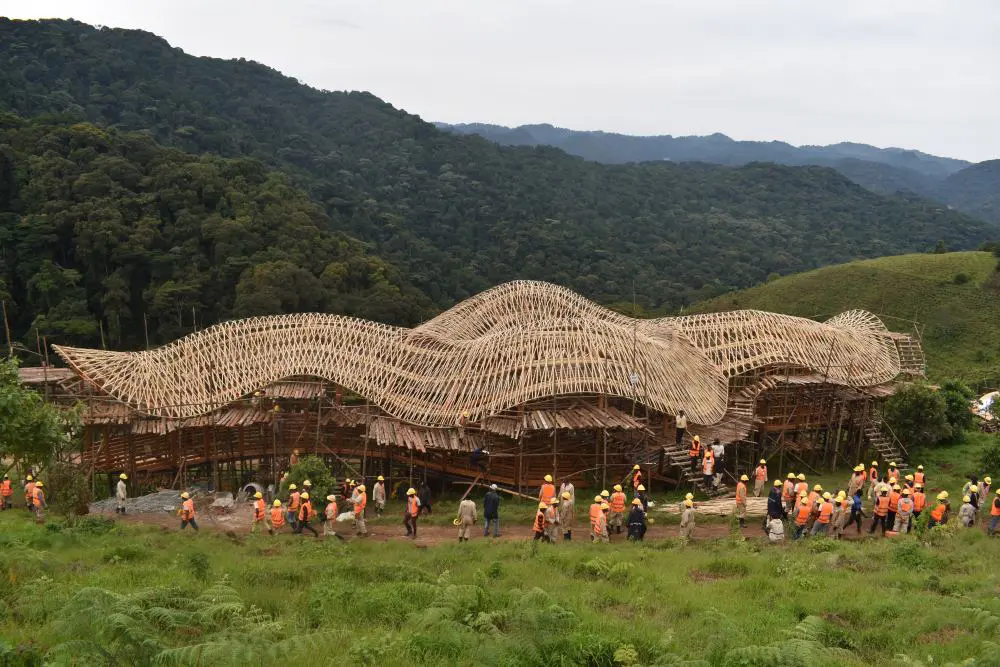
For Cai Tjeenk Willink, Head of Strategic Operations for Asilia and project lead on the Erebero Hills build, working with bamboo in construction had been a long-time ambition. For our safari camps in Kenya and Tanzania, the material would have been out of place. But on the fringes of Bwindi Impenetrable Forest in the southwest of Uganda, bamboo was the perfect choice.
With bamboo emerging as the clear direction for construction, the search for design inspiration began. After a lot of research, one design studio stood head and shoulders above the rest of the field – Pablo Luna Studio. Under the Director, Pablo Luna, a Chilean architect based in Bali, Pablo Luna Studio has been creating some of the most extraordinary bamboo structures in the world.
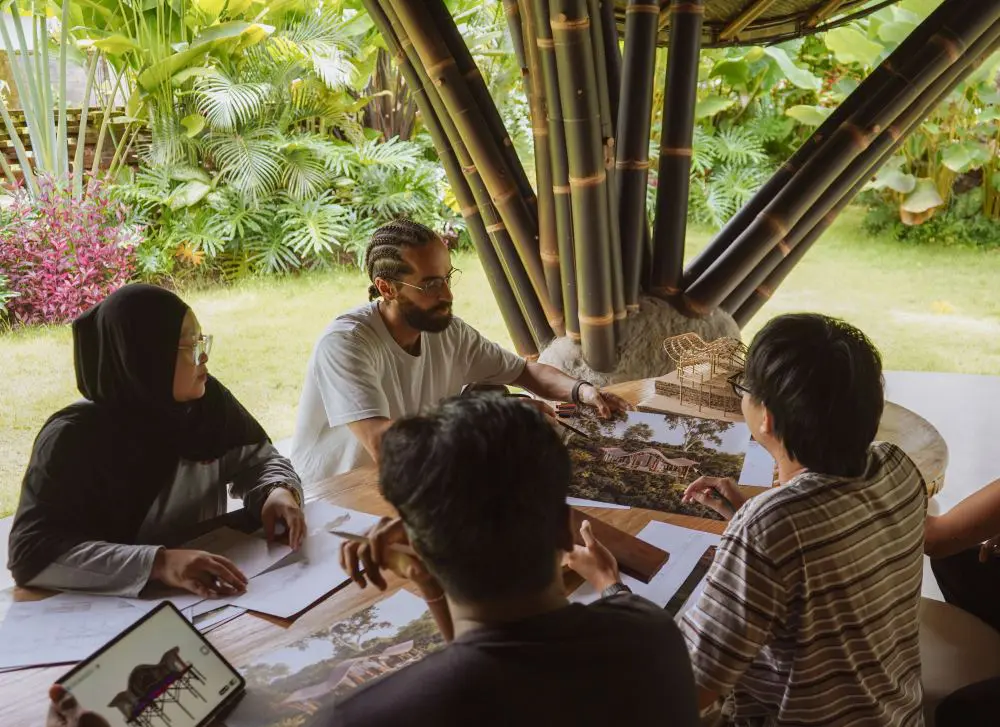
In the first of this two-part interview with Pablo Luna, we unpack the challenges and rewards of working with bamboo, alongside the inspiration and design of Erebero Hills, drawing on the Bwindi Impenetrable Forest, tea plantations, and that principles that guide Pablo Luna’s design decisions.
Erebero Hills uses bamboo and other natural local materials extensively. Can you explain your approach and any challenges in designing with bamboo?
“In Bali, bamboo is part of the landscape and the culture, it grows abundantly, regenerates quickly, and has shaped architecture for centuries. Artisans know how to listen to it, how to bend it, how to let its natural rhythm define form. We have learned from that wisdom, working closely with those who have inherited the knowledge of building with nature.
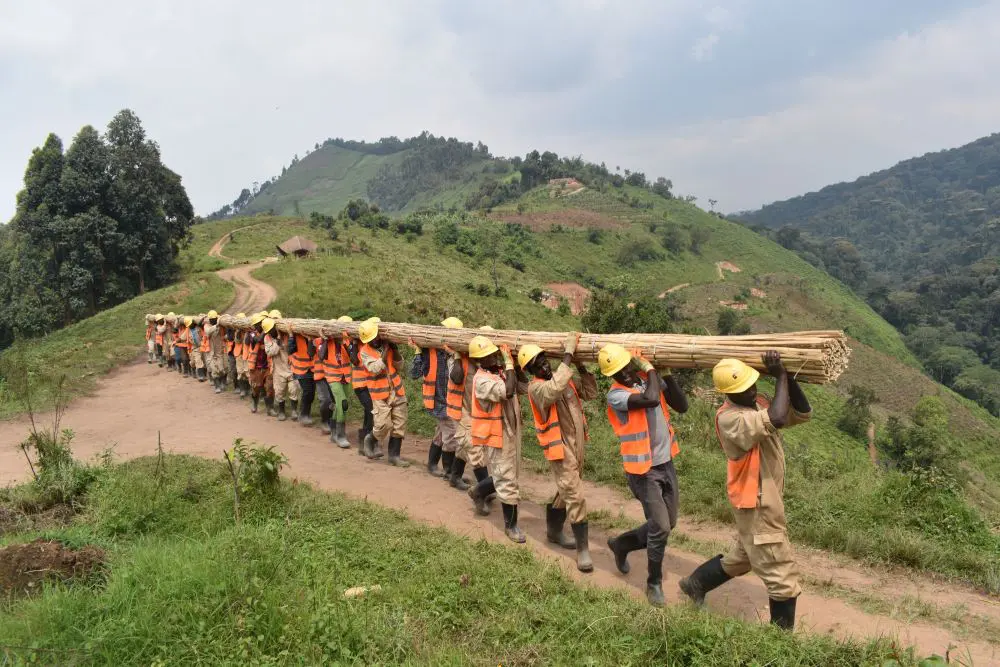
When we arrived in Uganda, we found a similar spirit. Bamboo, natural fibres, and the communities who hold their own ancestral techniques and craftsmanship. This made the dialogue between both worlds feel organic, a continuation rather than a contrast.
We use bamboo because it allows freedom: to explore organic forms, to build light and breathe with the terrain. But it is a material that must be approached with respect. It should be used where it grows, and with people who know how to bring it to life. The challenge, and the beauty, lies in that, creating architecture rooted in place, guided by those who understand the material’s true language.”
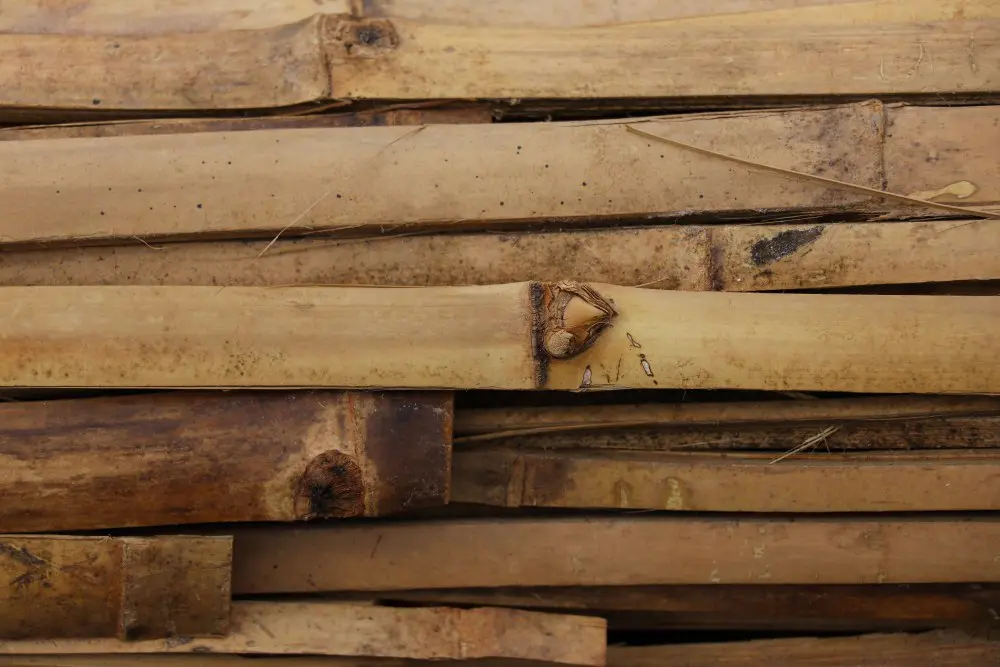
Bamboo grows naturally in Uganda, and is the fastest growing plant on land, making it a sustainable building material that can be locally sourced. Bamboo Uganda, our supply partner, was established with the goal of developing a sustainable green bamboo economy in Uganda, rethinking and reframing this underappreciated resource. Through this partnership, we have been able to ensure that all bamboo used in this development has been sustainably and responsibly sourced.
How does Erebero Hills reflect your philosophy of blending ancient wisdom with modern technology in sustainable architecture?
“Erebero Hills is the result of an ongoing dialogue between technology, ancestral knowledge, and presence. Technology allowed us to map and study patterns of sun, wind, water, and wildlife, revealing how life already moved through the terrain. Yet the most meaningful discoveries came from walking the land together with the Asilia Africa and Studio Akeka teams, observing and feeling it directly.
Many of the design decisions emerged from those shared moments: noticing how light filters through the canopy, how air circulates between the slopes, or where the forest naturally invites stillness. The balance between data and intuition guided us to create architecture that adapts to the environment instead of altering it.
In the end, it was not about the buildings but about the process of creating them. It is about learning directly from the place and its people, allowing the forest and its culture to guide the form, position, and spirit of the architecture.”
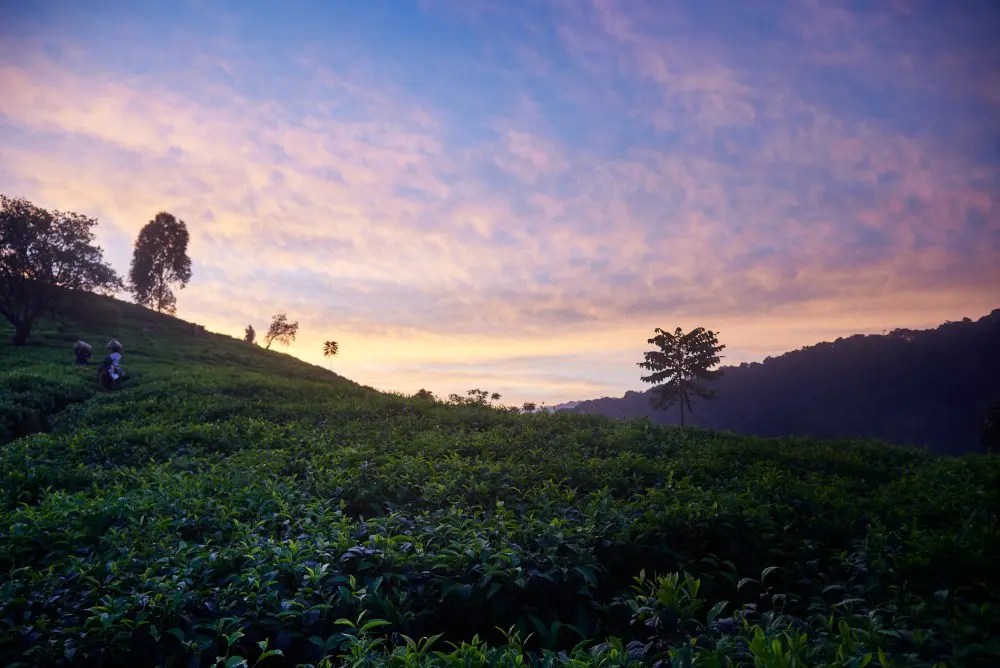
The lodge’s design draws inspiration from tea leaves, the forest canopy, and mountain contours. How do these organic forms translate into the architecture?
“The organic inspiration translates into understanding biodiversity and creating structures that adapt to the site’s sloping terrain through terraces, overhangs, and suspended forms.
The curving bamboo roofs become part of the organic flow of the visible forest, while materials like woven textures, stone, and rammed earth root the design to the people and the place with their traditions.”

How did the Bwindi Impenetrable Forest and its biodiversity shape your architectural vision for Erebero Hills?
“The Bwindi Impenetrable Forest guided every step of our process for Erebero Hills. From the beginning, our intention was to integrate rather than disrupt. To do so, we spent time studying the forest closely: its trees, terrain, and the ways people and animals relate to it. We spoke with the local inhabitants, academics, and members of the Batwa community to understand the deep environmental, spiritual, and cultural knowledge that this land holds.
Through this process, the design naturally began to reflect the forest’s rhythms. The forms follow the slopes of the land, with terraces and light structures that adapt rather than impose. Local materials like bamboo, stone, and earth help the architecture feel part of its surroundings.

More than anything, the forest taught us that architecture here must listen first, to become a part of its living rhythm of the place rather than a statement above it.”
As Erebero Hills continues to take shape, building towards the opening date of 1 August 2026, we will look to unpack the many different elements of this project, from structural design to the reach and scale of the various positive impact initiatives surrounding it. In Part 2 of this interview, we will look at the connection to the landscape and communities, alongside the impact of building a lodge in this environment.
Start planning your visit to Erebero Hills today.