East Africa is a land of dramatic contrasts. It’s a region where one day you can gaze across an endless plain beneath a blazing sun, and the next, walk through misty rainforests in search of gorillas. Its diversity of landscapes offers travellers an ever-changing canvas of beauty and adventure.
The contrasting landscapes can bring a profound element of diversity to an East Africa safari experience. By introducing different regions into an itinerary, the backdrop to your safari changes, keeping the experiences fresh and the mind engaged. While there are many landscape variations across East Africa, these are just some of the more diverse, and yet accessible, options within the Asilia portfolio.
The Sweeping Grasslands of the Mara–Serengeti Ecosystem
Few places capture the essence of Africa’s wild spaces like the Mara–Serengeti ecosystem. These vast grass plains stretch as far as the eye can see, offering an almost meditative sense of space and freedom. It’s here that the Great Migration unfolds — one of nature’s most stirring spectacles — but even when the herds have passed, the plains remain alive with predators, grazers, and birdlife.
The movement of the migrating herds typically creates a tourism following, but it is often away from the herds that the Mara-Serengeti ecosystem’s true beauty is experienced. The endless grasslands stretching to the horizon where an enormous sky touches the earth. Lone acacia trees patiently waiting to be photographed in front of the setting sun. Termite mounds frequented by scouting cheetahs, and rocky kopjes where lions lounge in the afternoon sun all the while becoming increasingly restless as evening approaches.

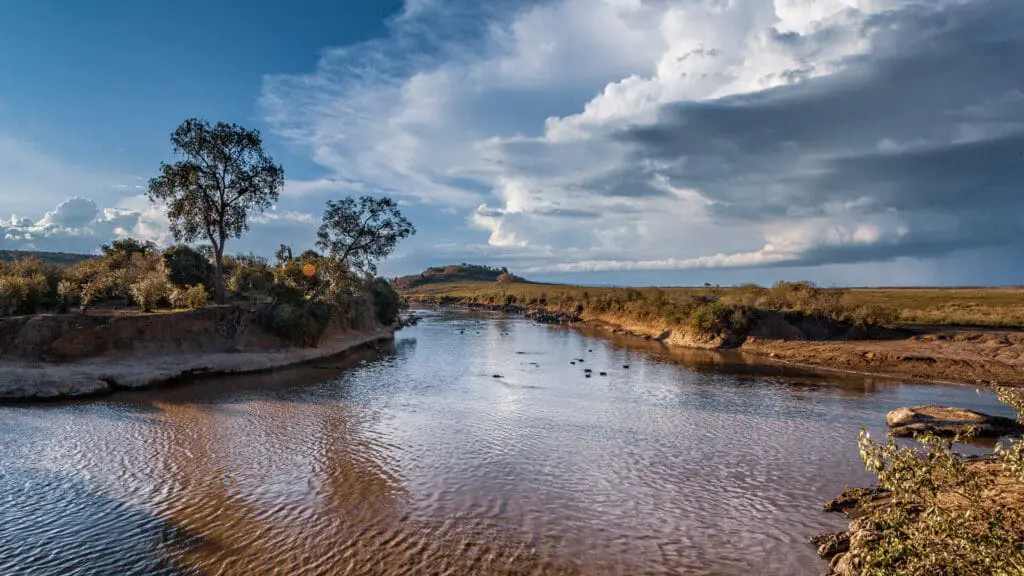
As East Africa’s most sought-after destination, it should not come as a surprise to find the bulk of the portfolio within this environment. Rekero Camp, perched above a bend in the Talek River within Kenya’s Maasai Mara, provides front-row access to the wildlife-rich plains of the Mara and the seasonal river crossings of the Great Migration.
Less than 30 kilometres away to the southwest, lies Sayari Camp, on the south bank of the Mara River within Tanzania’s Serengeti – the same ecosystem as the Maasai Mara, but divided by an imaginary border. In the eastern Serengeti is Namiri Plains, an environment known for its incredible density of big cats and the open grass plains in which they reside. Dunia Camp, strategically positioned in the south-central Serengeti, intercepts the migrating herds twice a year whilst providing year-round access to some of the richest game viewing the park has to offer.
The Volcanic Highlands of Ngorongoro
In northern Tanzania, the landscape changes dramatically as the grassy plains rise into the misty volcanic highlands of the Ngorongoro Conservation Area. This is a land shaped by fire — an ancient terrain of craters and calderas, where fertile slopes and montane forest cloak the rugged contours of long-extinct volcanoes in rich tapestries of lush, green vegetation.
Whether approaching Ngorongoro from either the Serengeti or Lake Manyara, your ears will pop as you adjust to the elevation change. The temperature drops as the air becomes noticeably cooler, and the low-lying cloud so often present in this area draws ever closer. The Ngorongoro highlands, to the northeast of the popular Ngorongoro Crater, offer a landscape of complete contrast to the Serengeti. Rolling green hills dipping in and out of the low-lying cloud, with depressions and craters reminding us of the history of this volcanic landscape.
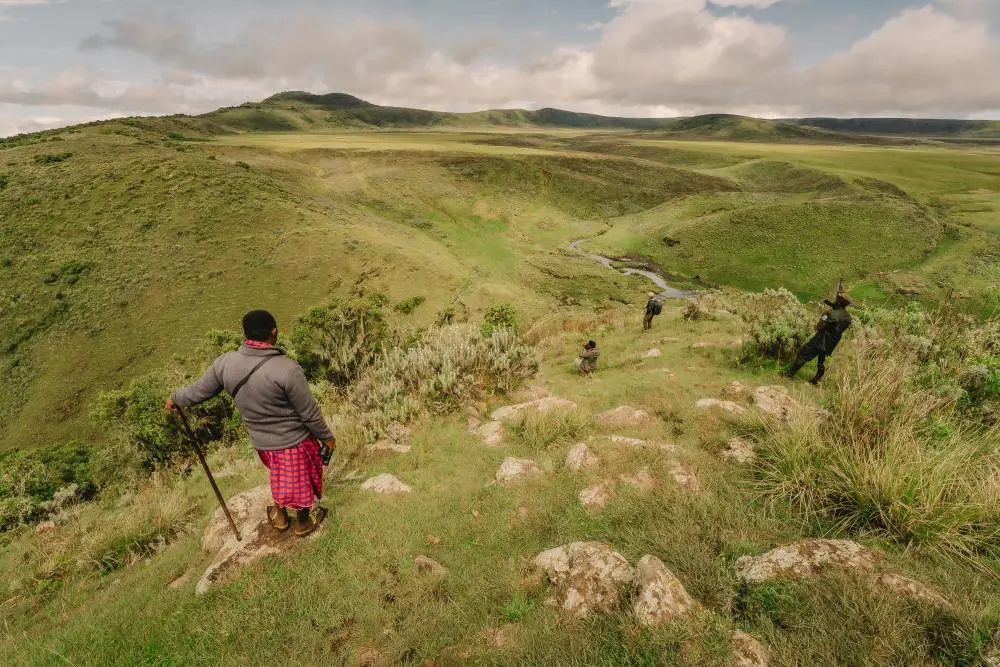
The Highlands, aptly named for the surrounding landscape, is perched on the northern slopes of Olmoti Crater, enjoying views over the grasslands to the Gol Mountains beyond. Deliberately positioned away from the popular Ngorongoro Crater, the placement of The Highlands allows for exploration of its surroundings, with walks along ancient cattle paths up the slopes of Olmoti Crater, or down into the Empakaai Crater for sweeping views of the flamingo-lined lake. Few experiences capture East Africa’s raw geological power quite like standing on these crater rims, the world stretched out below in layers of mist and green.
Wild and Remote Ruaha
Further south, Tanzania’s Ruaha National Park feels worlds apart — dry, rugged, and utterly wild. In the height of the dry season, the park’s landscapes are stripped to their essentials: short golden grasses, sun-cracked riverbeds, and ancient baobabs standing like sentinels with their bare, sculptural branches. This is the Africa of explorers — raw and untamed.
When the heavy rains come in April and May, and the lighter showers of November and December, the park transforms and regenerates, with greenery returning to the vegetation, rivers flowing, and the baobabs recovering their leaves. Even with the softness that the greenery brings, Ruaha retains the rugged sense of raw wilderness. A land waiting to be explored.
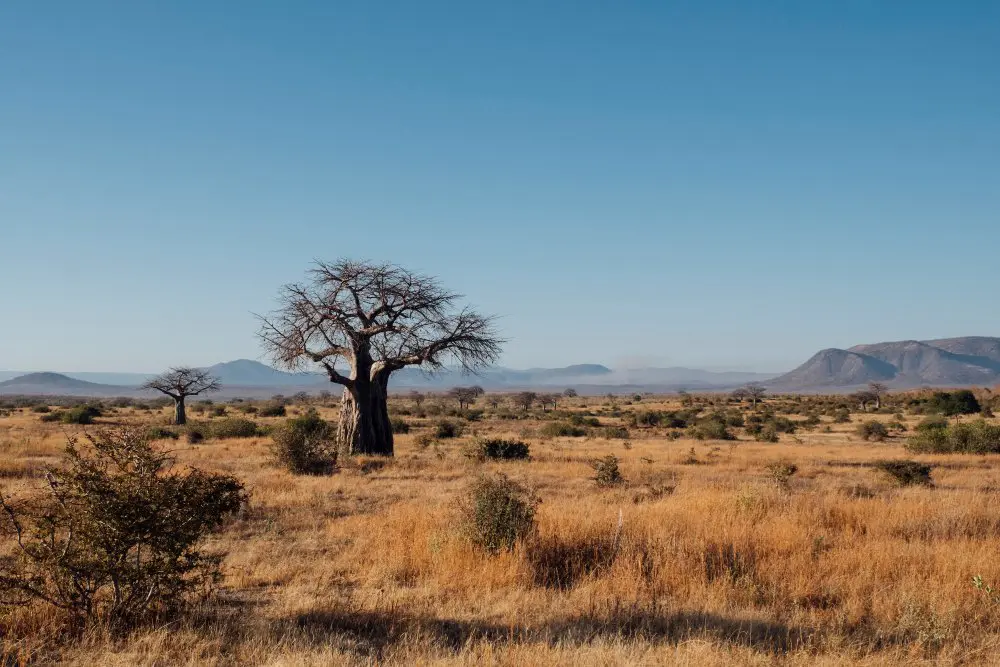
One of the best ways to explore the landscape of Ruaha, is by foot. Walking safaris allow for a deeper connection to the land, where you are forced to look down as well as at your surroundings. Small details are discovered, so often overlooked from the height of a vehicle, and your sense of hearing seems elevated as the breeze through the trees and the calls of the birds carry messages you have not heard before. The sense of exclusivity and discovery is profound — a chance to experience East Africa as it must have felt a century ago.
On the banks of the Mwagusi River, Kokoko Camp provides a return to the traditional elements of a safari expedition. An exclusive use camp of just 3 tents, where meals are prepared over the open fire and walking safaris are deemed the primary method of exploration, Kokoko perfectly matches the raw and rugged landscape of Ruaha. A similar experience can be enjoyed in the far south of the park, in the Usangu Wetlands, where Usangu Expedition Camp offers a variety of means to explore the floodplains and channels of this wetland ecosystem. For a more refined safari experience, Jabali Ridge and Private House offer a cocoon of sophisticated comfort, whilst providing an array of activities through which to enjoy the wonders of Ruaha’s landscape.

The Ancient Rainforests of Bwindi
Cross into Uganda, and the scene shifts again — from open grasslands and dry riverbeds to dense, emerald canopy. The Bwindi Impenetrable Forest is one of the oldest rainforests on Earth, a place of towering trees, tangled vines, and cool mountain air. It’s a world apart, alive with the calls of monkeys and the fluting notes of tropical birds, and recognised as a UNESCO World Heritage Site for the biodiversity it holds.
From the ridgeline of Erebero Hills, the forest stretches as far as the eye can see, a sprawling dense mass made up of every shade of green. In the early mornings, a smoky mist veils the valleys and clings to the slopes of the forest canopy. Venturing beneath the canopy on foot, a new world is encountered. The earthy scent of the forest floor amidst the breathless humidity held in place by the dense vegetation. The very nature of it simply feels ancient, like you are walking through a land somehow removed from where you came.
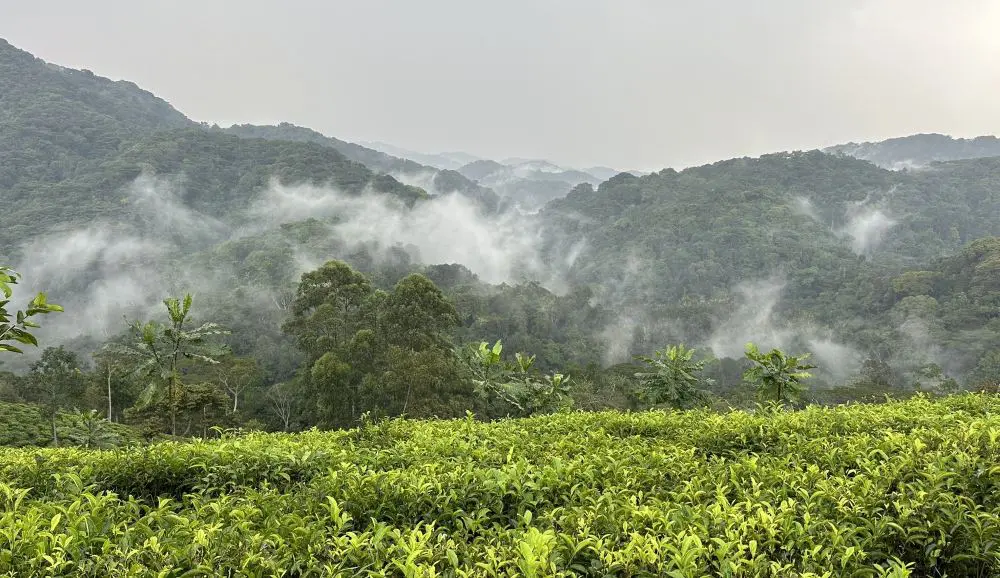
Erebero Hills will provide a luxurious base for one of Africa’s most unforgettable experiences: trekking to see the mountain gorillas. Moving quietly through the undergrowth, you’ll encounter these gentle giants in their natural home — a moment of connection that feels almost sacred. Yet even without the gorillas, Bwindi’s ancient beauty, its age-old stillness, and the sheer vitality of its ecosystem make it extraordinary.
A Tapestry of Wild Beauty
From the plains to the peaks, East Africa’s landscapes tell a story of elemental forces — of earth, wind, water, and fire. They shape both the landscape and the rhythm of life that relies upon it, and each changing landscape offers something unique to those who explore them. With Asilia, travellers can move through this diversity in comfort and with purpose, knowing that every journey supports the conservation of these remarkable places.
Talk to us today about the landscapes that most appeal to your sense of adventure.