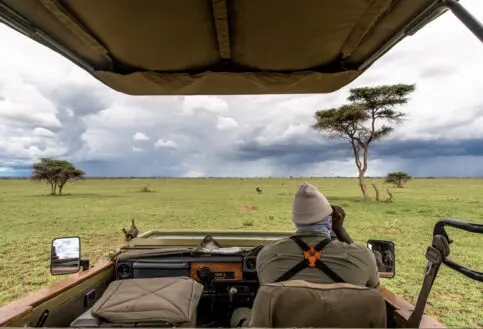
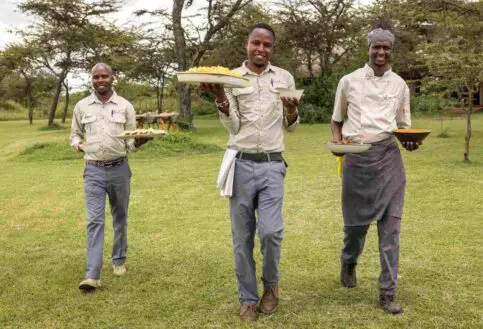
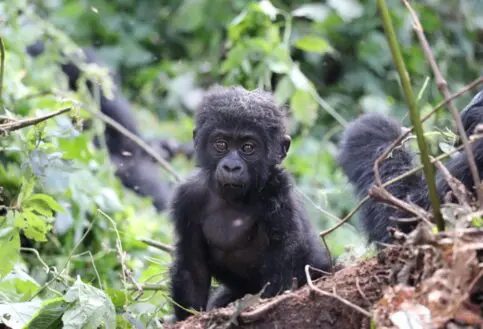
One of nature’s most spectacular phenomena unfolds across Tanzania’s vast landscapes every year, as over two million wildebeest, zebra, and gazelle embark on their ancient circular journey. The Great Migration in Tanzania offers wildlife enthusiasts an unparalleled safari experience, with the herds spending approximately nine months of the year within the country’s borders, creating countless opportunities to witness this extraordinary natural wonder.
Whether you’re dreaming of watching thousands of newborn calves take their first steps, witnessing dramatic river crossings, or observing intense predator-prey interactions, Tanzania provides the perfect stage for experiencing the Great Migration in all its raw, untamed glory.
Why See the Great Migration in Tanzania?
Tanzania serves as the primary stage for the Great Migration. From the short-grass plains of the southern Serengeti and Ndutu area to the crocodile-filled waters of the Grumeti and Mara Rivers, Tanzania offers an incredible variety of migration experiences that simply can’t be found elsewhere.
The Tanzanian side of the migration provides greater diversity of landscapes and experiences. You can witness the tender moments of calving season in the Ndutu plains, observe quieter but equally dramatic Grumeti River crossings, or join the frenzy of the Mara River crossings in the northern Serengeti – all within a single country.
Perhaps most importantly, Tanzania offers superior opportunities for avoiding busier areas while still experiencing prime migration action. With strategic positioning in mobile camps and access to more remote regions of the Serengeti ecosystem, you can enjoy intimate wildlife encounters away from the congestion that can sometimes occur in more concentrated areas.
The predator action in Tanzania is exceptional throughout the migration cycle. The southern plains support large populations of cheetah during calving season, while the Grumeti region offers incredible leopard and lion sightings as herds move through woodland areas. The northern reaches provide dramatic confrontations between migrating herds and the resident predator populations.
What Time of Year is the Great Migration in Tanzania
Understanding the migration’s timing is crucial for planning your safari. The herds move in a roughly circular pattern, following ancient instincts and rainfall patterns that have guided them for millennia.
December-March: Calving Season (Southern Serengeti/Ndutu)
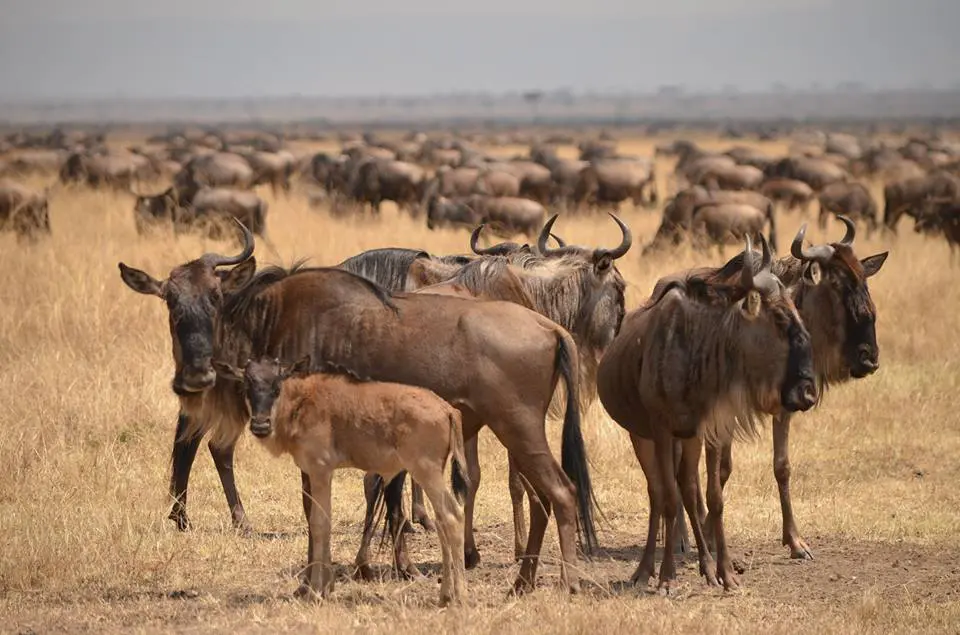
The southern Serengeti and Ndutu area transform into a wildlife nursery from December through March, as hundreds of thousands of wildebeest give birth in a synchronised calving event. This period offers some of the most emotionally powerful wildlife viewing experiences possible.
During peak calving in January and February, an estimated 8,000 calves are born daily across the short-grass plains. The timing is evolutionary genius – the abundance of vulnerable young overwhelms predators, giving the majority of calves a better chance of survival. For safari-goers, this translates into incredible predator-prey interactions as lions, cheetahs, hyenas, and wild dogs take advantage of the abundance.
The photography opportunities during calving season are unmatched. Golden grasslands stretch to the horizon, dotted with hundreds of thousands of animals, while dramatic predator chases unfold against spectacular backdrops. The light during this period is particularly beautiful, with short rains creating lush conditions and incredible storm clouds.
Calving season also offers the best opportunities to observe natural behaviours. You’ll witness protective maternal instincts, learn about herd dynamics, and understand the complex relationships between different species within the migration.
Read more about when to see the Migration.
April – June: Grumeti River & Western Corridor
As the short rains end and the southern plains dry out, the herds begin their slow journey westward toward the Western Corridor and Grumeti region. This phase of the migration is often overlooked, yet it offers incredible rewards for those seeking a more exclusive experience.
The Western Corridor provides a completely different landscape from the open plains – riverine forests, rocky outcrops, and seasonal pools create diverse habitats that support different wildlife populations. The herds move more slowly through this terrain, often lingering for weeks in a particular area, which means excellent game viewing opportunities.
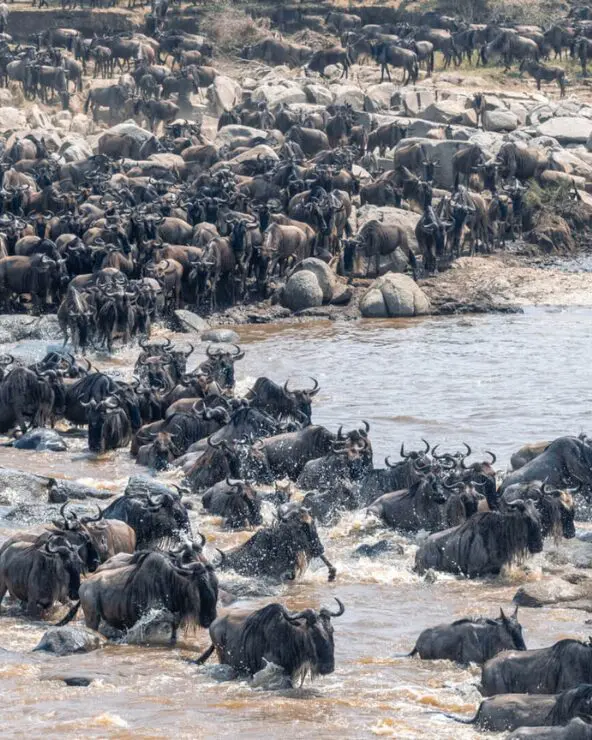
The Grumeti River crossings from May to June rival the famous Mara River crossings, but with significantly fewer spectators. The crossings are equally dramatic, with massive Nile crocodiles lying in wait and herds building courage before plunging into the water. The smaller scale of some Grumeti crossings can actually provide more intimate viewing experiences than their northern counterparts.
This period also coincides with excellent general game viewing, as resident wildlife populations are thriving thanks to good grass conditions and water availability. It’s an ideal time for combining migration viewing with broader Serengeti exploration.
Check out this action-packed Great Migration Adventure itinerary.

July – October: Mara River Crossings (Northern Serengeti)
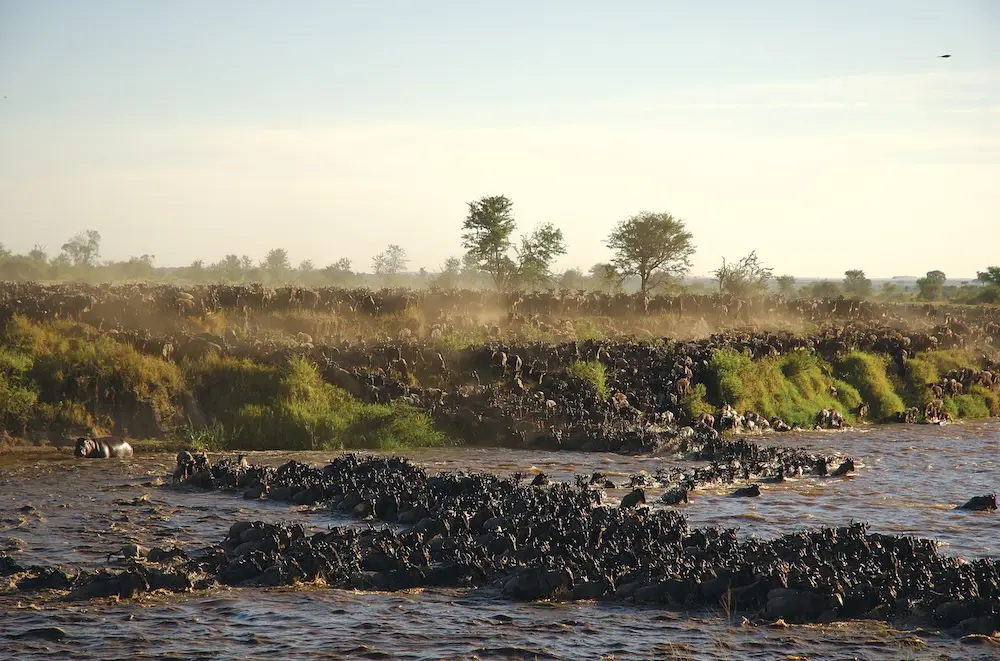
The northern Serengeti comes alive from July through October as millions of animals concentrate along the Mara River system. This is the period most people associate with the Great Migration, and for good reason – the drama of Mara River crossings represents one of Africa’s most iconic wildlife spectacles.
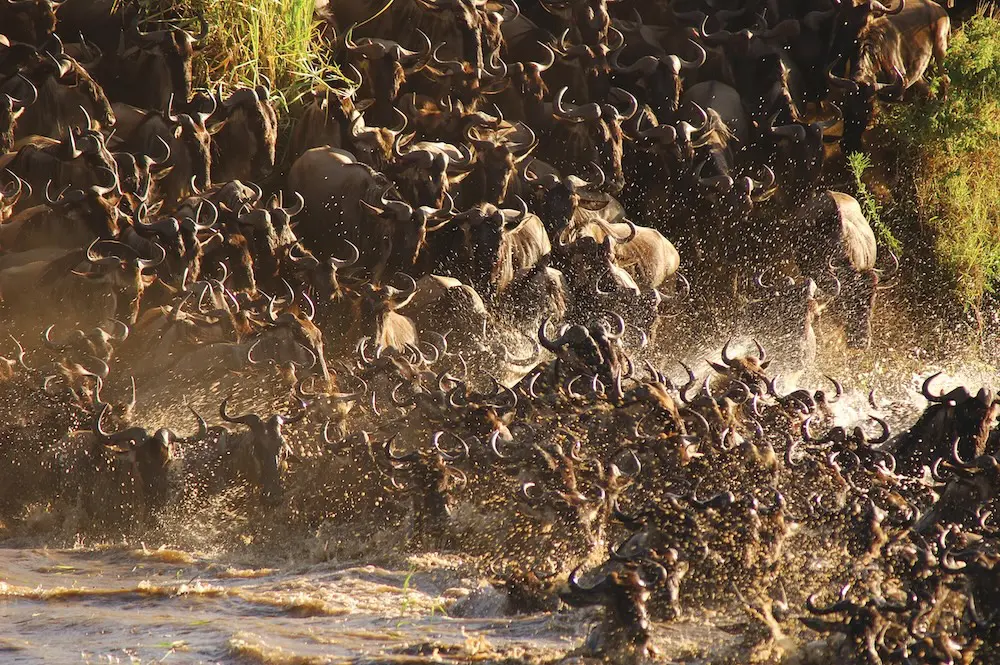
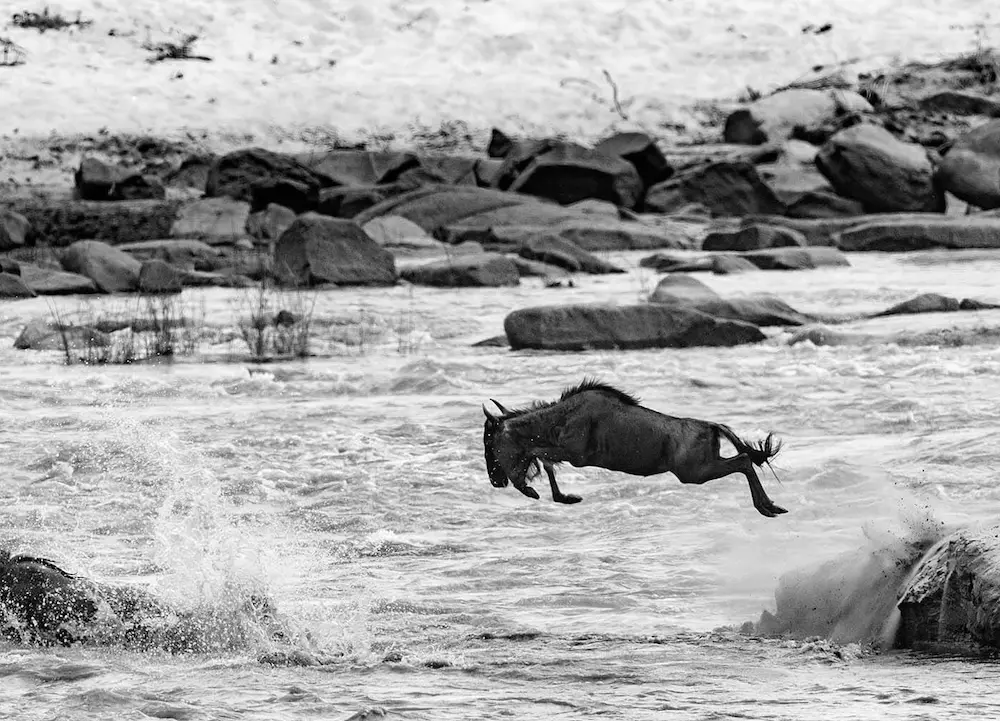
The herds face their greatest challenge crossing the Mara River, where massive crocodiles and strong currents await. The crossings are unpredictable, with herds sometimes building for days on one side before finally committing to cross. When crossings do occur, they’re explosively dramatic, with animals pouring across the water in their thousands while predators wait on both sides.
While this period can be busier than other times of the year, the Tanzanian side of the Mara River system still offers more space and exclusivity than the Kenyan side. Experienced guides know numerous crossing points and quieter viewing areas where you can witness the action without competing with dozens of other vehicles.
The northern Serengeti during migration season provides an incredible diversity of wildlife experiences. Beyond the crossings themselves, you’ll encounter resident lion prides that have grown fat on migration abundance, witness incredible predator interactions, and experience the raw power of nature at its most dramatic.
Read our Migration River Crossing blog.
November: Short Rains and Movement South
November marks the beginning of the return journey south as short rains begin to fall across the southern plains. This transitional period offers unique advantages for savvy travellers seeking to avoid crowds while still experiencing migration action.
The herds begin fragmenting and moving south in waves, creating opportunities to encounter different groups of animals across various landscapes. It’s an excellent time for photography, as storm clouds and dramatic lighting create spectacular conditions for wildlife images.
November also represents exceptional value, as it falls outside peak season while still offering genuine migration experiences. Many camps offer shoulder season rates while delivering full migration encounters.
Where to Stay for the Migration in Tanzania
Asilia’s strategic approach to migration safaris centers on our mobile camps that follow the herds, ensuring you’re always positioned for the best wildlife viewing. Our permanent camps are also strategically located to take advantage of key migration routes and resident wildlife populations.
Olakira Migration Camp represents the ultimate migration experience, with our team relocating the entire camp twice yearly to follow the herds. From December to March, Olakira positions itself in the heart of the Ndutu calving grounds, providing incredible access to the birthing spectacle. From June to October, the camp moves north to the Mara River region, offering intimate access to the crossing drama. This mobility means you’re never more than minutes from prime migration action.
Ubuntu Migration Camp takes the mobile concept even further, with lightweight, eco-friendly structures that can quickly relocate to follow unexpected animal movements. This camp specialises in positioning itself ahead of the crowds, often in areas where other camps can’t access. The result is incredibly intimate migration experiences with minimal environmental impact.
Dunia Camp serves as an excellent base for experiencing the April to June western migration, positioned perfectly for Grumeti River crossings while offering year-round access to resident wildlife. The camp’s central location makes it ideal for guests wanting to experience multiple phases of the migration during a single stay.
Namiri Plains provides exceptional predator viewing throughout the year, with resident cheetah populations that thrive during migration season. While not mobile, Namiri’s location ensures incredible wildlife experiences regardless of exact migration timing, making it perfect for guests with fixed travel dates.
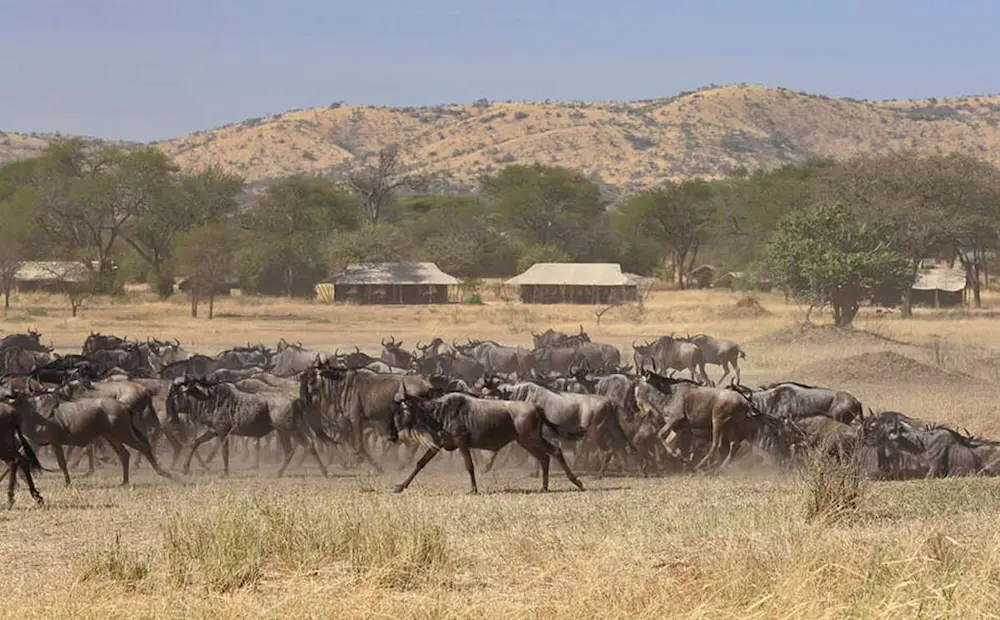
Our mobile strategy ensures you’re always positioned for optimal wildlife viewing while avoiding the crowds that concentrate around permanent lodge locations. You’ll wake up to wildebeest grazing outside your tent and fall asleep to the sounds of the migration just beyond camp boundaries.
Avoiding the Crowds: When & How
Strategic planning and timing are key to experiencing the Great Migration without overwhelming crowds.
Best timing for exclusivity: Visit during shoulder seasons – early July or late October for northern crossings, early June for Grumeti River experiences, or early March for calving season before Easter crowds arrive.
Choose mobile camps over large lodges. Our mobile camps accommodate 12-20 guests, compared to 100+ at big lodges, resulting in fewer vehicles competing for prime positions and more flexible timing.
Expert guides make the difference. Our guides know alternative routes, secondary crossing points, and animal behaviour patterns that position you ahead of crowds at equally dramatic but less crowded locations.
Early morning drives provide the most exclusive experiences, often with prime locations to yourself during golden hour when wildlife activity peaks.
How Long Should You Stay?
Minimum 4-7 nights for migration-focused safaris to account for unpredictable animal movements and maximise your chances of witnessing dramatic crossings.
For multi-region trips, plan 2-3 nights in each location (such as Ndutu calving grounds or northern crossing areas) to experience diverse migration phases.
Longer stays of 7-10 nights significantly increase the odds of spectacular moments while allowing flexibility to follow unexpected movements and truly appreciate the ecosystem’s rhythm.
What to pack for a Migration Safari in Tanzania
Layered clothing for changing temperatures – lightweight fabrics for day, warm fleece for early mornings and evenings.
Neutral tones (khaki, olive, brown) to stand out less and remain cool.
Photography essentials: telephoto lens (400-600mm), wide-angle lens, waterproof bags, extra batteries.
Practical items: binoculars, insect repellent, sunscreen, a wide-brimmed hat, and comfortable walking shoes.

Best Add-On Destinations to Pair with a Tanzania Migration Safari
Ngorongoro Crater offers Big 5 sightings in a unique geological setting, perfect insurance against variable migration timing.
Zanzibar offers beach relaxation, cultural experiences, and excellent diving, all of which make for the ideal post-safari experience.
Ruaha or Tarangire National Parks deliver remote wilderness experiences with incredible predator densities and elephant populations, showcasing Tanzania’s diversity beyond the Serengeti.
Ready to Experience the Great Migration in Tanzania?
Don’t leave this once-in-a-lifetime experience to chance. Contact our safari specialists today to design your perfect Great Migration adventure in Tanzania, tailored to your interests, travel dates, and desired level of exclusivity. Your migration story begins here.