On the northern fringes of Bwindi Impenetrable Forest in southwest Uganda, we are watching one of our most exciting projects to date come alive and take shape. Today we chat to Cai Tjeenk Willink, Head of Strategic Operations for Asilia, and responsible for the building of Erebero Hills.
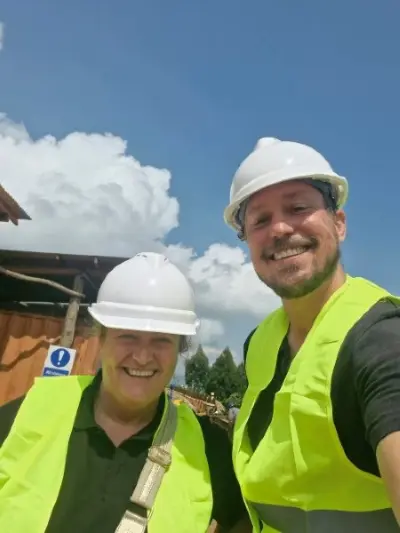
Cai was born in Brunei and spent his early childhood in Nigeria, where he developed a lasting passion for Africa. He later moved to the Netherlands for high school and went on to complete degrees in Biology and Biomedical Engineering. After working as a biomedical engineer and consultant, he decided to follow his love for wildlife and Africa, relocating to the Democratic Republic of Congo to serve as Commercial Director of Virunga National Park. There, he built his first safari lodge—Mikeno Lodge—and discovered a new passion for lodge design and experiential travel.
In 2013, during the M23 rebel incursions in Virunga, Cai joined Asilia in a more strategic, operations-focused role, leading the expansion of the company’s safari lodge footprint in East Africa. He oversaw the design and construction of some of our most iconic properties, including The Highlands, Namiri Plains, and Jabali Ridge, as well as more intimate experiential projects such as Kokoko. Eventually, his journey with Asilia brought him back to Central Africa—this time just across the border from Virunga, in Uganda—where he is currently fulfilling his dream of creating Africa’s first high end bamboo lodge in the Bwindi jungle.
Sustainability and sense of place are increasingly central to modern design. How do these themes appear in Erebero Hills, both conceptually and in the materials or methods you chose?
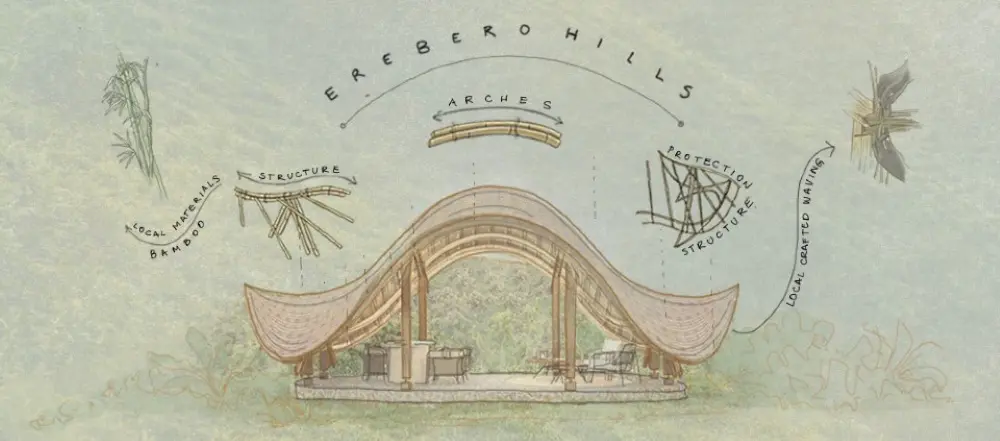
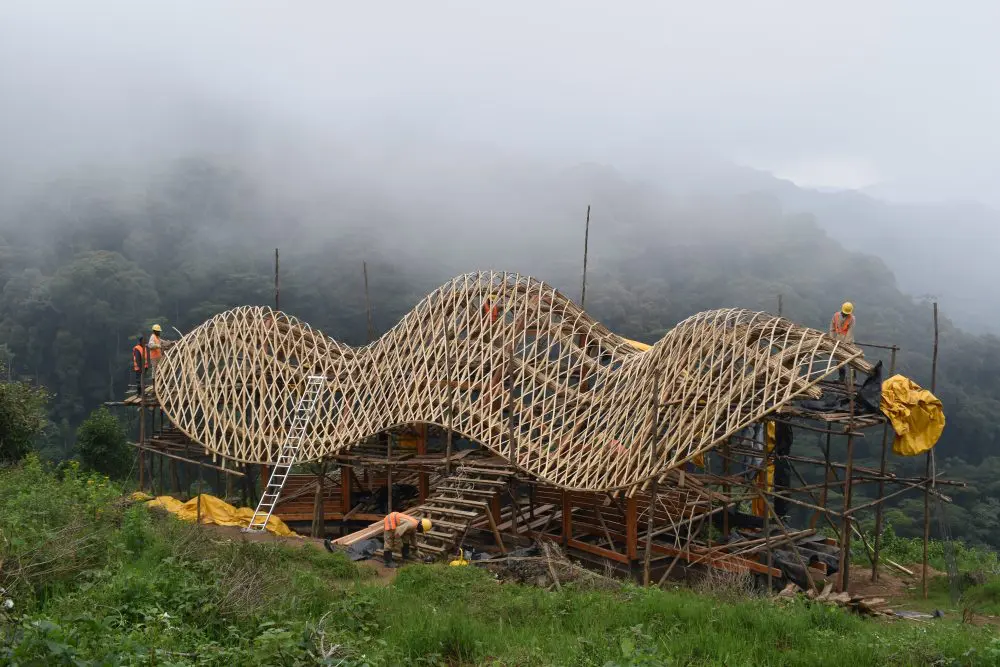
I have always wanted to build in bamboo, as it is a truly wonderful material, allowing for magical organic shapes. However, with our other camps in Kenya and Tanzania, bamboo designs did not make sense from location perspective as the natural environment does not have bamboo. Bwindi on the other hand is full of natural bamboo, it is a primary part of a gorilla’s diet, and as such it is a location-centred choice of building material. Uganda also has large bamboo farms, from which to source locally, and has a (limited) number of bamboo processing and construction facilities.
As with all our builds we aim to build sustainably, limiting the creation of permanent structures, and using locally sourced materials. Erebero Hills is a great example where almost all construction materials are sustainable alternatives to more conventional techniques. The only deviations would be the concrete foundations (essential for building on very steep hills) and steel substructures, essential for longevity of the structures in a high degradation area like Bwindi.
Erebero Hills is a striking project that blends natural beauty with thoughtful design. What first inspired you to collaborate with Pablo Luna to create it, and how did the landscape or local culture influence your vision?
Our intention was to build the first high end bamboo lodge in Uganda. The process of finding the right people always starts with first finding your own inspiration and understanding the sense of style and direction you are aiming to achieve. In this case I spent a lot of time researching online and via Pinterest to find Bamboo style buildings in organic shapes to get a better understanding of what would be possible.
Once I had collected 100’s of images from Pinterest, I started to dive deeper into the design and construction and found that about half the designs and structures I had saved were Pablo’s. I subsequently had a call with him, to get to know him and understand his design ethos. He aligned very well with Asilia and shared our vision for a sustainable build, being community conscious, and making use of organic shapes that mimic the surrounding nature. With extensive experience in complex bamboo design and builds, Pablo Luna was the obvious partner.
The name “Erebero Hills” itself feels evocative. Can you tell us about the story or meaning behind the name, and how it ties into the project’s spirit?
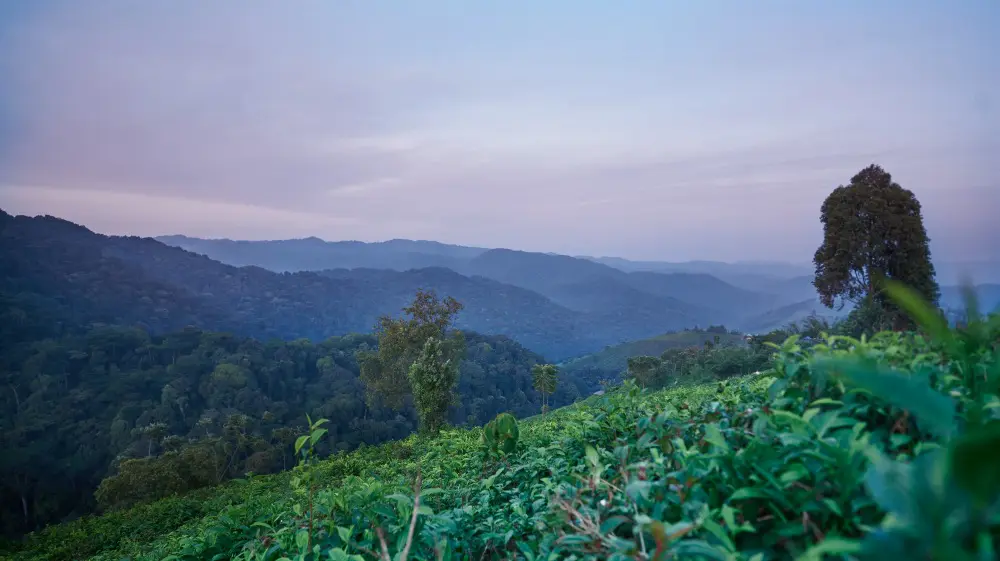
Erebero means a place where you can see far or view. With the “hills” component being a somewhat gentler way of saying very steep mountains. The naming process was done on site in collaboration with the Batwa and Bakiga communities, who suggested it as an option and embraced our use of it. Including the local communities in the naming process and receiving their blessing was an important moment for us, as it strengthened relationships and reinforced community investment in the long term benefit and support that this project will deliver.
Looking ahead, what do you hope guests or visitors will feel when they experience Erebero Hills?
This site for Erebero Hills is incredible, probably the best site we have as Asilia anywhere in East Africa. This project will see a genuine coming together of our values: immersed in nature, with close support of two nearby communities benefitting from extensive positive impact initiatives as well as direct employment, alongside a monumental reforestation effort.
In addition to being one of the most incredible lodge designs in Africa, our guests can expect to be blown away by the depth of the experience. Ranging from the gorilla trek (which they likely booked the trip for), to learning about the Batwa and Bakiga’s history and future, experiencing how a syntropic food forest is created, eating healthy organic foods grown on lodge grounds, and leaving with an understanding of reforestation efforts and techniques. It will be the most immersive experience we have to offer our Asilia guests.
For a gorilla trekking experience in the Bwindi Impenetrable Forest, that offers so much more over and above a gorilla adventure, look to Erebero Hills for immersion into luxury, local culture, and impact positive community driven initiatives.