Welcome to the era of the slow safari, an immersive and thoughtful way to experience East Africa’s wilderness. This approach values depth over distance, connection over checklists, and real transformation over rushed plans.
At Asilia Africa, we believe the best safari experiences happen when you take your time. Staying at our camps lets you settle into the rhythm of the wild and make real connections. Now is the time to slow down and enjoy the journey.
What Exactly Is a Slow Safari?
A slow safari means spending more time in fewer places, getting to know the ecosystems and communities, and focusing on meaningful experiences instead of rushing to see it all. Instead of whooshing between parks and lodges, slow safari travellers often spend 4-7 nights at one camp or conservancy. Letting the landscape and its stories unfold naturally.
It can be tempting to fill your safari itinerary with one night here and two nights there, rushing across the plains to visit as many camps and see as many animals as possible. We understand how you want to make the most of your trip. But this fast-paced approach can leave you feeling tired and disconnected when you return home.
Slow travel replaces hurry with presence, and the wilderness becomes a place of storytelling rather than a shot list. You’ll notice the subtler nuances of the wild – the architecture of a termite mound, the hierarchy within an elephant herd, and even the way the light changes throughout the day.
In practice, this means staying longer at one camp, moving less between places, and having more time to truly take in your surroundings.

The 4 Key Principles of Slow Travel on Safari
- Choosing to use the time you have available in manner that avoids being rushed is at the heart of slow safari travel. Leave room for spontaneous moments, rest, and reflection.
- Immersive learning takes mere observation and turns it into a deeper understanding. With more time in one place, you get a broader understanding of the ecosystems and more insights from your guide.
- Connecting with the community lets you truly experience local culture. Slow travel offers more than a quick village visit; it gives you a deeper look into the lives of people living alongside wildlife.
- Conservation is a key aspect of slow safari travel. By staying longer at camps that actively invest in conservation, your visit directly supports projects such as anti-poaching initiatives, habitat restoration, and wildlife monitoring. This means your time as a guest helps support ongoing efforts to protect East Africa’s unique ecosystems and its wildlife.
Why Slow Safaris Are the Future of African Travel
Slow safaris are more than just a trend. This important change is happening because several factors are coming together to shape the future of travel.
More people want to connect deeply with the places they visit. Instead of rushing through a checklist, mindful travel encourages us to slow down and be present. On safari, this means travellers are choosing to linger a little longer at each stop to truly appreciate what makes each place special.
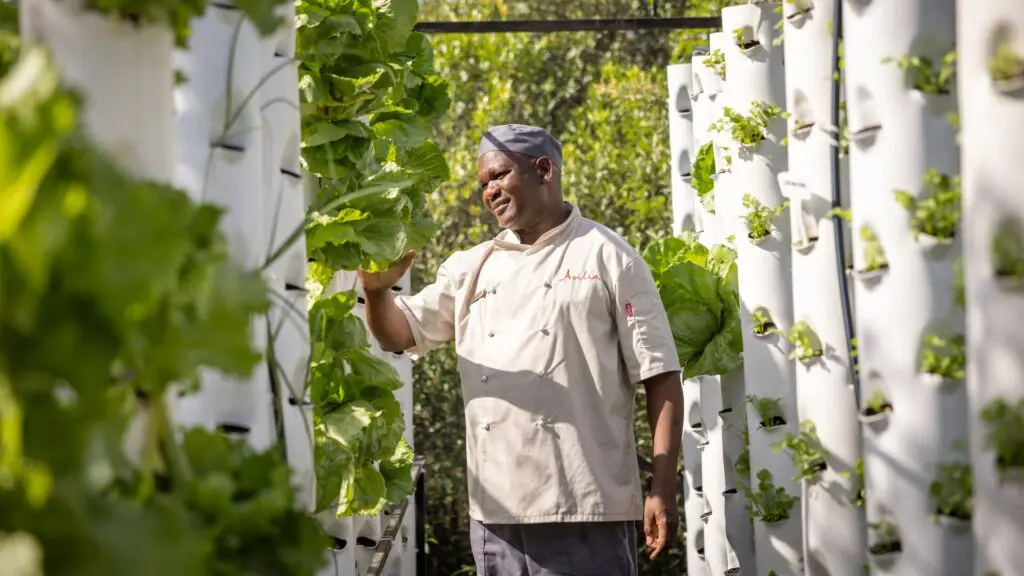
Sustainable travel has seen much growth over recent years. However, purely being sustainable is increasingly the bare minimum among travellers – particularly among younger generations – who not only seek to minimise their impact but also to effect positive change. They’re asking about carbon footprints, conservation impact, and whether their safari dollars are helping to protect ecosystems. This shift of focus to regenerative tourism is why many of our guests choose Asilia Africa.
The Benefits of Slow Travel on Safari
For Wildlife Enthusiasts
If you love wildlife, slow safaris give you more chances to truly understand the ecosystem and its animals. Staying in one area for several days lets you go beyond just spotting animals and helps you learn about their behaviour and social lives.
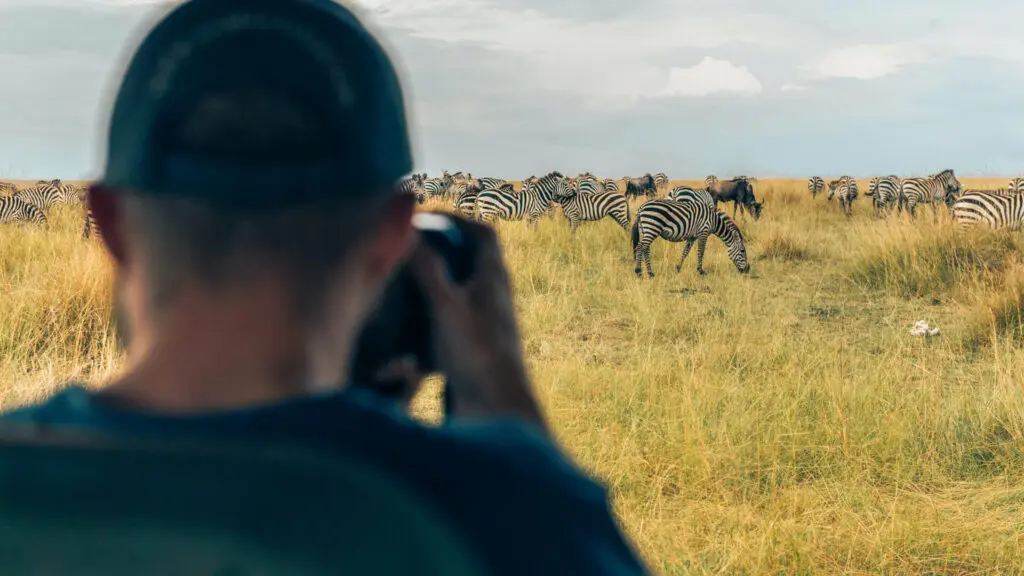
Slow safaris are particularly beneficial for wildlife photographers. Their ability to return to locations under different lighting conditions and to familiarise themselves with wildlife movements allows them to understand your subject well enough to anticipate movements. This depth of understanding is the difference between accumulating images and capturing the essence of a moment.
For Conservation and Communities
In East Africa, protecting wildlife depends on making conservation valuable for local communities. Where and how you spend your time can have a bigger impact than you might think.
Choosing fewer, conservation- and community-focussed lodges ensures that economic benefit flows more meaningfully to communities. Intentionally choosing lodges that partner with local communities ensures more stable employment for guides and hospitality staff.
Asilia Africa’s camps and lodges are located in vulnerable ecosystems where tourism ensures that the land, its people, and the wildlife can benefit. Your stay with us contributes to long-term conservation projects, and your visit directly benefits these initiatives, which often include anti-poaching units, habitat restoration, and wildlife monitoring programs.
Staying at fewer lodges will also eliminate internal transfers, thereby reducing your trip’s overall carbon footprint. A small change that makes a really big impact.
For Personal Wellbeing
Perhaps the most immediately felt benefit of slow travel on safari is its impact on personal well-being. A safari should restore you, not exhaust you – yet so many travellers return from rushed East Africa itineraries feeling in need of another vacation.
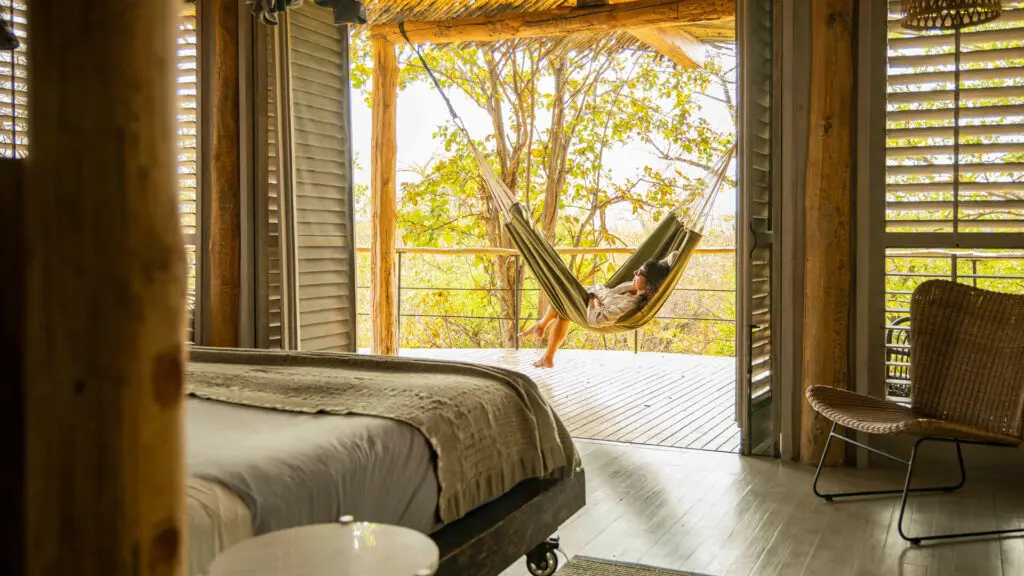
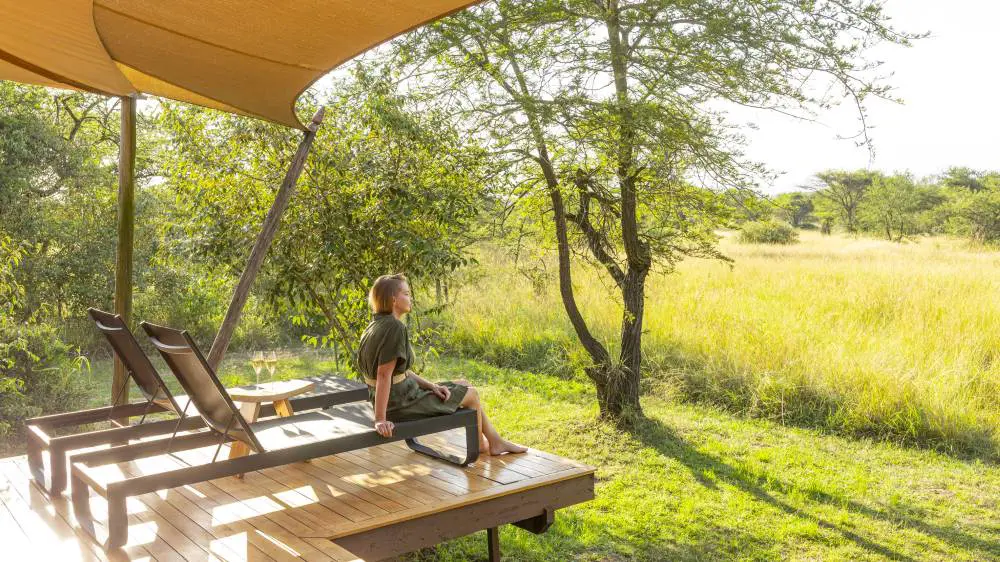
Instead, slow down and visit fewer camps so you can truly relax and settle into the camp’s rhythm. Take a quiet moment for yourself to reflect or just enjoy the calm that’s often missing from daily life. Choose to make your next safari a truly restorative journey – commit to travelling slower and experience the difference for yourself.
When you stop for long enough, you’re able to truly immerse your senses – the smells of the vegetation on the wind, the subtle changing of the light, and the tapestry of gentle sounds. Just tuning in is a meditation in itself.

How to Slow Travel on Safari in East Africa
If slow safari travel sounds appealing, here are some practical tips to help you plan a meaningful East African safari that focuses on depth. Start putting these into action, and see how slowing down can transform your experience.
Stay Longer in Fewer Camps
The single most important element of slow travel on safari is to commit to longer stays in each location. We’d recommend a minimum of 4 nights at each camp, but ideally 5-7 nights to truly settle into the rhythm of a place.
Your first 24 hours are usually spent orienting at a new camp. Only by the second or third day do you really begin to relax and take in the subtler nuances of the location.
Choose Camps That Offer Depth, Not Just Game Drives
For slow safari travel, pick camps that understand that immersion comes from variety. Choose places that offer a number of activities so you can experience the landscape in new ways.

East African walking safaris are an incredible opportunity to truly immerse yourself in the bush and experience the rawness and finer details often missed from a vehicle. Safari night game drives through the bush, only available in private conservancies, offer a chance to see a different side of the wild and some rarely seen species. Of course, the best way to enjoy an aerial view of the sprawling plains and wildlife is on a hot-air balloon safari.
Travel in the Right Season
While there’s technically never a bad time to visit East Africa, shoulder seasons – the periods just before or after peak season – are ideal for slow travel on safari. From a practical standpoint, they’re less crowded and offer attractive rates.
With fewer vehicles and guests, the slower pace during these times is ideal for a slow safari. It helps you settle into the wilderness and enjoy your surroundings.
Where to Experience the Best Slow Safaris in East Africa
Serengeti (Tanzania)
The Serengeti is one of East Africa’s best-known safari spots, but most visitors only see a small part of what it offers. Known primarily as the backdrop to the thrilling great migration river crossings between July and October, a Serengeti safari is amazing at any time of year.
Asilia Africa runs several camps in key areas of the Serengeti that follow slow-safari principles. Namiri Plains, Sayari, and Dunia are permanent camps set up to help you deeply experience the region.
Ruaha (Tanzania)
The southern regions of Tanzania are wild, untamed and uncrowded – perfect for a slow immersion into nature. Ruaha National Park safaris are remote and exclusive, offering the perfect retreat for travellersseeking solitude.
A stay at Jabali Ridge, Kokoko Camp, or Usangu Expedition Camp will reveal this rugged landscape.

Naboisho Conservancy (Kenya)
Bordering the Maasai Mara National Reserve, Naboisho Conservancy is defined by community benefit, wildlife protection, and low-impact tourism. The low visitor density here perfectly positions this conservancy for slow, mindful safari travel.
Encounter the same magnificent wildlife at Naboisho Camp that you would in the Maasai Mara, but without the stringent park rules and higher visitor numbers. You’ll see the same amazing wildlife as in the main reserve, but with fewer crowds and a more mindful experience.

Is a Slow Safari Right for You?
If you fall within one of these categories, a slow safari might be just the approach for you:
- Photographers appreciate slow safaris because they have time to get to know individual animals and revisit spots in different conditions. Check out our African photo safaris.
- Families gain a lot from slow safari travel, with less travel stress and more flexibility. Explore our family safari options built for this relaxed, immersive style.
- If you’re already seen the Big 5, you might be looking for more depth. Slow travel lets you go beyond just spotting animals and helps you understand their behaviour, ecology, and conservation issues.
- Mindful travellers who value presence and connection often find slow safaris truly transformative.
Final Thoughts: The Future of Safari Is Slow
The evolution towards slow safari travel represents a maturation of how we engage with East Africa’s wilderness. It acknowledges that meaningful connection requires time, that sustainability demands intentionality, and that the most powerful safari experiences emerge not from how many animals you see but from how deeply you understand the ones you encounter.
At Asilia Africa, we’ve built our entire philosophy around these principles since our founding. Our conservation-led camps across Tanzania, Kenya, and soon, Uganda, have always prioritised small footprints, meaningful community partnerships, and guest experiences that emphasise depth over volume. We don’t measure success by how many parks you visit but by how profoundly a place impacts you.
Are you ready to experience a safari the slow way? Explore our camps and lodges and start planning your slow safari adventure today.