In this year of our 20th birthday, we invite you to feel closer to our people, the backbone and the lifeforce of Asilia. Through this series of short blogs, we’ll introduce a cross-section of our people for their reflections on Asilia over the years and their thoughts on things to come.
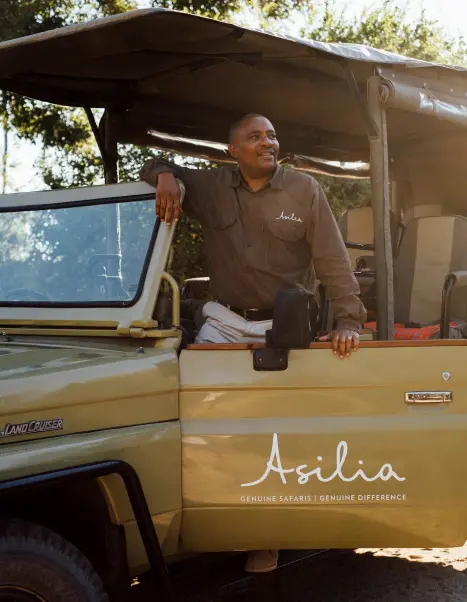
David Msuya
Arriving at Rubondo Island Camp is already a magical experience. Cruising over the waters of Lake Victoria, marvelling at the view of the tall trees and dense forest hard up behind the small cottages dotted along the beach, it is hard not to be amazed by the sight. For David Msuya, this tropical paradise is home. However, his love for this island has been a recent development.
Born and raised in the highlands of the Pare Mountains, David spent time as a young boy hunting (legally) with his father in and around the Mkomazi game reserves. He loved being in the bush and thought, at that time, that becoming a professional hunter would be good career option. However, while attending tourism college, he began to learn about conservation and sustainable tourism, which swayed his career choices and steered him into hotel management.
The path to Rubondo
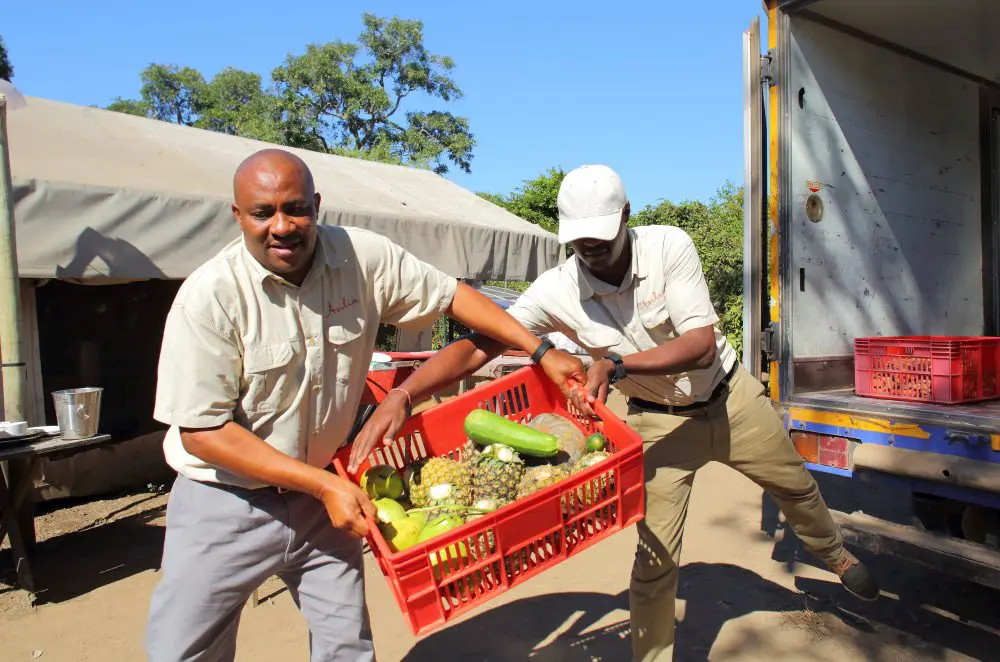
David joined Asilia in 2012 with 16 years of lodge experience to his name, where he had worked in food & beverage, front of house, and as an assistant manager. He continued in the assistant manager position upon joining Asilia, with his first placement at Ubuntu Migration Camp in the Serengeti, where he was stationed for 5 years. During this time, he was promoted to camp manager status, before relocating to (the now retired) Kwihala Camp in Ruaha National Park, which he managed until it’s closure in 2023. It was this closure that opened a new opportunity for David, as he was offered the station of Rubondo Island Camp Manager.
“Rubondo is unlike anything else in Tanzania” – David Msuya

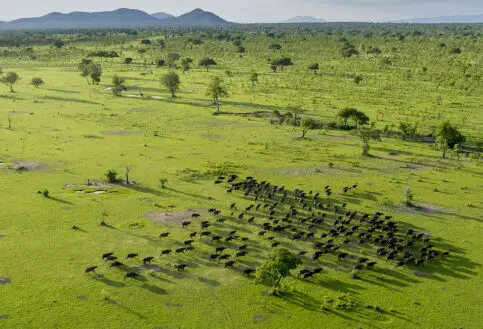
Having grown up close to the bush, and then worked in more “traditional” safari camps for so many years, the transition to Rubondo Island was a large change of scenery. David was accustomed to the chaotic river crossings of the northern Serengeti, the ocean of wildebeest covering the southern plains during the calving season, the spectacular baobabs and the wildlife of Ruaha National Park. After less than a year, Rubondo Island has taken hold of David.
“Its remoteness, sitting in the second largest freshwater lake in the world, the beautiful vegetation, a pristine forest, the natural habituation of the chimps, over 300 endemic and migratory bird species, rare sitatunga and suni antelope, boating excursions and deep-water sport fishing. This place is a unique and relaxing getaway far from the crowds of tourists, but just 90-minutes from the Serengeti.”

A commitment to Positive Impact
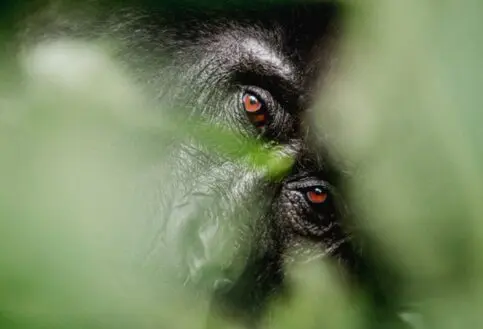
Nearly 80% of Rubondo Island is covered by pristine rainforest. In some places, the canopy blocks almost all light to the forest floor, creating dark, eerie conditions. Where the canopy thins, shafts of sunlight penetrate to the forest floor, stimulating growth and spotlighting the hundreds of different shades of green to be found. The environment is perfect for the two troops of chimpanzee that call this forest “home”. In the late-60’s, German zoologist Bernhard Grzimek introduced 16 chimpanzees to the island, all of which had been rescued from private homes and zoos across West Africa and Europe. The chimps quickly rewilded themselves, making nests and foraging for food as their primate instincts directed. Today, there are over 60 chimpanzees residing in the forest, split into two groups roughly the same size.
For David, coming from the bush and the incredible wildlife of the Serengeti and Ruaha national parks, it should carry weighted gravitas to hear him say that “there is nothing to compare with the chimpanzee experience.”

A property like Rubondo Island Camp is a perfect example of Asilia’s commitment to positive impact. As Lorenzo said, “Good and sustainable tourism must be developed in parks that need it”. The camp generates important revenue for the Tanzania National Parks Authority and has created employment opportunities for lakeside communities, many of which relied purely on illegal fishing as a means of income. For David, it’s this impact positive approach that truly matters. “I am passionate about engaging with communities living around the national park, communicating the importance of conservation and sustainable tourism.” Beyond the silo of Rubondo Island it’s the wider company impact in creating equal opportunities across genders, the in-house Twende Porini educational program, and the provision of scholarships that fuels David. The focus on people, both within the company and within the communities surrounding our camps.
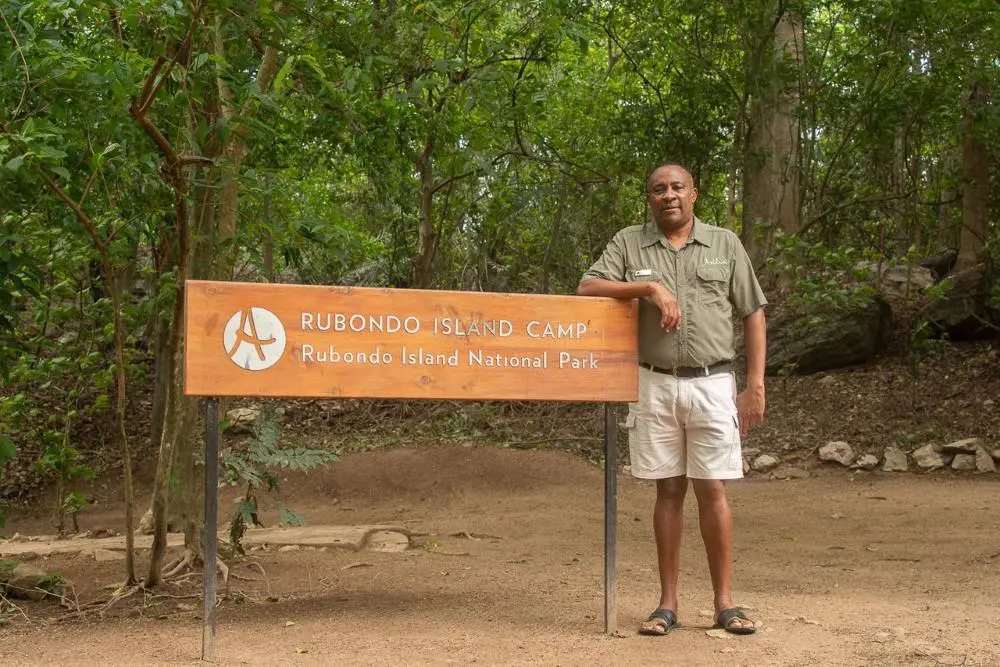
The story of Rubondo Island National Park, its inhabitants, and the unique experience attainable within this small slice of paradise, makes this an incredibly special part of the world. It’s impossible to visit Rubondo without being a little bit jealous that David gets to call this place “home”.
Start planning your island adventure today.