Beyond the Big 5 – Why Animal Checklists Aren’t the Best Way to Go on Safari
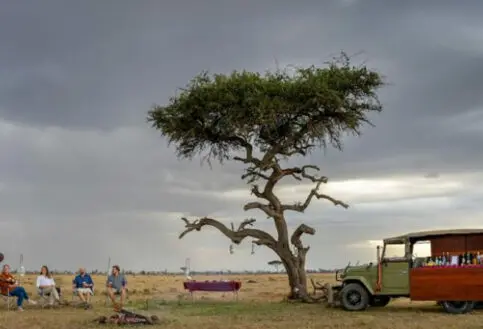
The sun rises over the vast plains of East Africa, painting the sky in hues of gold and pink as the first call of a distant lion echoes across the savanna. In that quiet, breathless moment, the land comes alive – wildebeest stampede through the mist, elephants move like ancient giants, and a cheetah surveys its territory from a lonely termite mound. This is the magic of East Africa, where wildlife encounters feel both timeless and breathtakingly real.
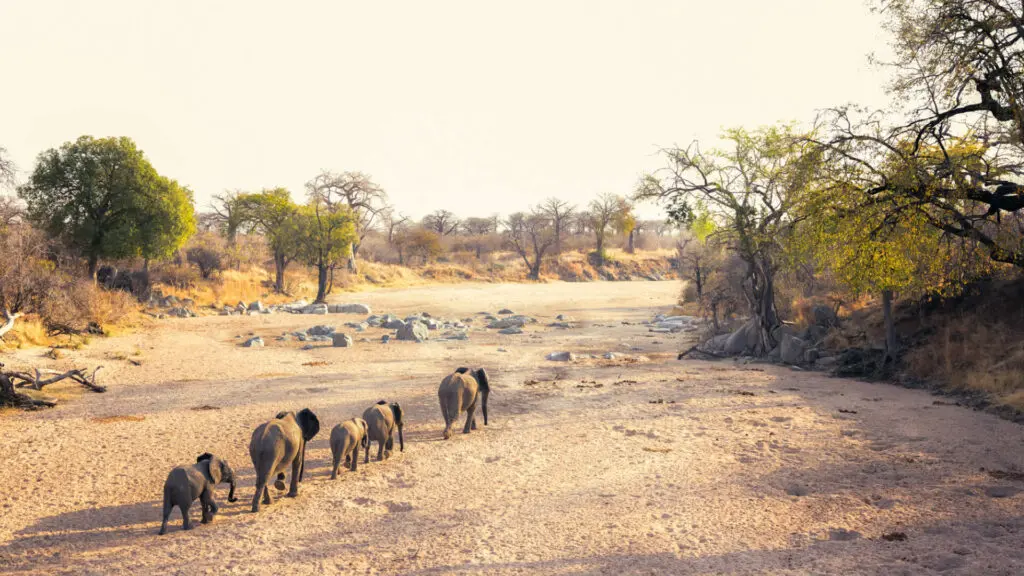
For many first-time safari-goers, the allure of the “Big 5” – lion, leopard, elephant, rhino, and buffalo – is irresistible. But while these iconic species undoubtedly capture the imagination, East Africa offers so much more. From towering giraffe to elusive wild dog and vibrant birdlife, the region’s biodiversity is unmatched.
The History of the Big 5 – A Legacy of the Past
The term “Big 5” dates to the early days of colonial hunting safaris in Africa. It referred to the five most dangerous and challenging animals to hunt on foot. The term has since become a marketing buzzword for African safaris. Over time, this list has transitioned from a hunter’s trophy checklist to a symbol of wildlife tourism. While these species are undeniably magnificent, focusing solely on this list risks overlooking the true wonder and diversity of East African wildlife.
The region is home to a staggering variety of animals, from lofty giraffe to delicate antelope, and vibrant birdlife. By broadening your perspective beyond just the Big 5, you’ll discover a richer, more rewarding safari experience – one that respects the natural balance of these rich ecosystems. This guide will take you beyond the Big 5, showcasing the best wildlife destinations in Kenya, Tanzania, and Uganda, where conservation is at the heart of every safari adventure.

The Best Countries for Wildlife Viewing
Kenya – A Land of Iconic Vistas and Abundant Game
Referred to as the “birthplace of safari”, Kenya safaris are often the first to come to mind when people think of African wildlife. A land known for its sweeping landscapes and dense wildlife populations; Kenya is a must-visit for any nature lover.
Masai Mara National Reserve
This iconic reserve is perhaps the most famous wildlife destination in the world. Every year, the Great Migration sees over 1.5 million wildebeest, zebra, and other plains game thundering across the Mara River, pursued by Africa’s most powerful predators – lion, leopard, cheetah, and crocodile. Beyond the Big 5, the Mara is also home to diverse birdlife, from mighty raptors to colourful bee-eaters.
Surrounding the Masai Mara National Reserve are several conservancies managed in collaboration by the Maasai people and tour operators. These conservancies play a critical role in the Mara Ecosystem’s conservation efforts. The tourism fees go towards lease payments for the Maasai landowners and the management of the conservancies- positively impacting community development and sustainable tourism.
Where to stay:
Amboseli National Park
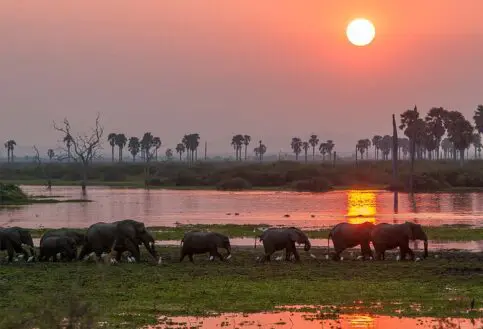
Set against the backdrop of towering Mount Kilimanjaro, Amboseli is known for its massive elephant herds, some of the largest on the continent. The park’s open plains and swamps create a dramatic landscape where lion, cheetah, and giraffe roam, alongside diverse birdlife. Beyond the Big 5, the park offers striking vistas and a unique, open environment that makes wildlife spotting particularly rewarding.
Where to stay:
- Angama Amboseli

Samburu National Reserve
For a completely different flavour of wildlife, head north to Samburu, where the arid landscape is home to dry-country-adapted species not found elsewhere in Kenya. This includes the strikingly patterned Grevy’s zebra, the long-necked gerenuk, and the Beisa oryx. The Ewaso Nyiro River, a lifeline in this dry region, attracts lion, leopard, and a rich array of bird species.
Where to stay:
- Saruni Rhino
Tanzania – Where Wilderness Reigns Supreme
Tanzania’s vast wilderness areas are legendary, offering some of the most iconic and pristine wildlife experiences on the planet. Discover the wonder of Tanzania safaris, where the scale of the landscapes is matched only by the abundance of its wildlife. Asilia’s Classic Edition small group tour covers Tanzania’s iconic destinations.

Serengeti National Park
The Serengeti is synonymous with the Great Migration, where millions of wildebeest, zebra, and gazelle cross the plains in a relentless cycle of life and death. This ecosystem supports massive lion prides (with over 3000 lion present in the Serengeti alone), over 1500 cheetah, and around 1000 leopard, making it one of the best places in the world to witness predator-prey interactions.
Where to stay:
Ngorongoro Conservation Area (Ngorongoro Crater)
This UNESCO World Heritage Site is home to one of the densest concentrations of wildlife in Africa. Within the steep crater walls, you’ll find lion, elephant, rhino, buffalo, hippo, and a rich array of birdlife.
The crater itself is a geological wonder, formed by a massive volcanic eruption millions of years ago. Its diverse habitats support a remarkable variety of species, all within a stunning natural amphitheatre.
Where to stay:
Tarangire National Park
Renowned for its large elephant herds, ancient baobab trees, and seasonal wildlife concentrations, Tarangire is a hidden gem in the Tanzanian safari circuit. Expect to see lion, leopard, cheetah, and diverse birdlife. The park’s unique landscapes and high-density wildlife make it a fantastic alternative to the more famous Serengeti. During the dry season, the Tarangire River draws huge numbers of animals, creating incredible game-viewing opportunities.
Where to stay:
Uganda: The Pearl of Africa’s Primate Paradise
For those drawn to primates and green, lush, misty landscapes, Uganda offers some of the most profound wildlife experiences on the continent. Known for its dense forests and dramatic landscapes, it’s a must-visit for any serious wildlife enthusiast looking to stray from the beaten path.

Bwindi Impenetrable National Park
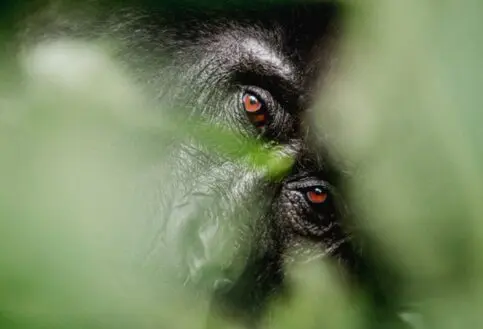
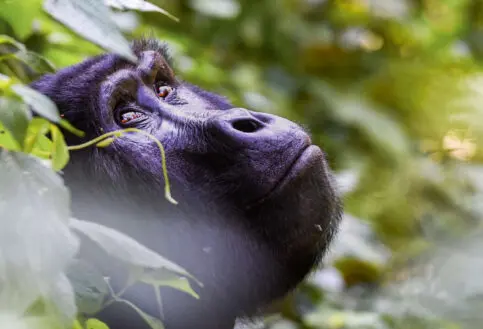
As a UNESCO World Heritage Site, Bwindi one of the last refuges for the critically endangered mountain gorilla for which it is famous. However, Bwindi also supports a rich diversity of other primates (with eleven primate species present), forest elephant, and unique birdlife. Gorilla trekking in Bwindi is a life-changing experience, offering a rare chance to observe these gentle giants in their natural habitat, surrounded by one of the world’s most biodiverse rainforests. This experience is part of Asilia’s Primate Edition small group tour, a great option for those looking for a carefully planned safari in a convenient manner.
Where to stay:
Queen Elizabeth National Park
Should you find yourself longing for a classic safari while in the heart of Uganda, you need look no further than Queen Elizabeth National Park. The park, most famous for its unique tree-climbing lion, is home to large elephant herds, hippo, crocodile, and diverse birdlife along the Kazinga Channel. With its mix of savanna, wetlands, and tropical forests, Queen Elizabeth National Park offers one of the most varied wildlife experiences in East Africa.
Where to stay:
- Kyambura Gorge Lodge
Murchison Falls National Park
Known for its powerful falls and the Nile River, this park offers sightings of hippo, crocodile, elephant, giraffe, lion, and the rare shoebill stork. A boat safari to the base of the thundering Murchison Falls is a highlight, offering a unique view of the park’s riverine ecosystems.
Where to stay:
- Nile Safari Lodge

Conclusion
East Africa’s wildlife is as diverse as it is awe-inspiring. While the Big 5 may draw many to its savannahs, the real magic lies in appreciating the broader spectrum of life – from vast migrations to elusive primates and rare birds. By venturing beyond the checklist, you’ll discover the rich, interconnected diversity of life that makes this region so special.
Ready to book your East safari adventure?