While the Northern Hemisphere shivers through winter’s coldest months, Africa is bathed in warm sunshine, alive with incredible wildlife encounters and offering some of the year’s most spectacular safari experiences. January stands as one of Africa’s hidden gems for safari travel – a month that offers unique opportunities often overlooked by travellers fixated on the famous migration months of July through September.
For those with early-year travel resolutions, honeymooners seeking romance under African skies, or photographers hunting for that perfect shot, January delivers exceptional rewards. From witnessing half a million wildebeest births in Tanzania’s Serengeti to gorilla trekking through Uganda’s misty forests, all while enjoying fewer crowds and often more favourable pricing than peak season.
Our camps across East Africa position you perfectly to experience the continent’s January magic.
Is January a Good Time to Visit Africa?

January represents one of Africa’s most rewarding yet underappreciated safari months. While travellers often flock to the Wildebeest Migration’s river crossings in July and August, January offers its own spectacular wildlife theatre with several distinct advantages.
East Africa enjoys excellent weather during January, sitting within either the dry season or the lush green season, depending on your chosen destination. This translates to comfortable game drives, stunning photographic conditions, and landscapes that range from the golden grasslands of Kenya’s conservancies to the verdant plains of Tanzania’s southern Serengeti.
The reduced visitor numbers (when compared with peak migration months) mean more exclusive wildlife encounters and greater availability at premium camps. Many destinations offer attractive shoulder-season pricing, making January an economically savvy choice for luxury safari experiences. Most notably, January coincides with some of Africa’s most extraordinary wildlife events, including the wildebeest calving season – nature’s greatest baby boom – that attracts opportunistic predators from across the ecosystem.
Our strategically located camps ensure you’re perfectly positioned to capture these moments, whether you’re seeking the thrill of a lioness with newborn cubs or the endless plains dotted as far as the eye can see with grazing herds.
Tanzania in January
Is January a good time to visit Tanzania? Absolutely! Whether you choose to experience the northern Serengeti or the southern (where the calving season is in full swing), you’re assured an incredible wildlife experience.
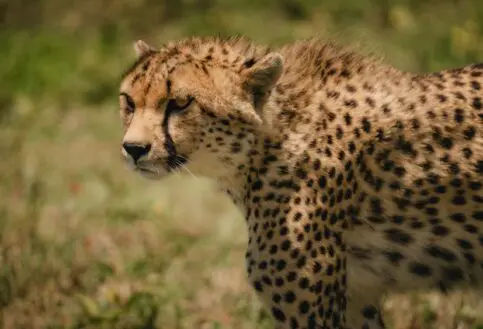
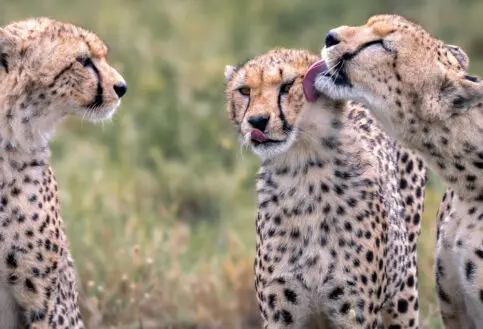
The green season brings occasional short rains that transform the landscape into a photographer’s paradise. Lush grasslands provide a stunning backdrop for wildlife photography, while the abundance of fresh grazing keeps herbivore herds concentrated in predictable locations. Lions, cheetahs, and leopards capitalise on this bounty, offering visitors exceptional predator viewing as big cats pursue the herds and any vulnerable stragglers.
Weather conditions remain highly favourable for safari activities. Morning and evening game drives are bathed in pleasant temperatures, while the landscape’s verdant beauty provides a refreshing contrast to the golden, dry-season vistas many associate with African safaris. The lighter tourist traffic compared to peak season means more intimate wildlife encounters and greater photographic opportunities.
For travellers seeking an authentic East African experience beyond the well-worn migration trail, January in Tanzania offers both exceptional wildlife viewing and the satisfaction of experiencing the region’s quieter, yet no less magnificent, moments.
Find out when to visit Tanzania.
Southern Serengeti
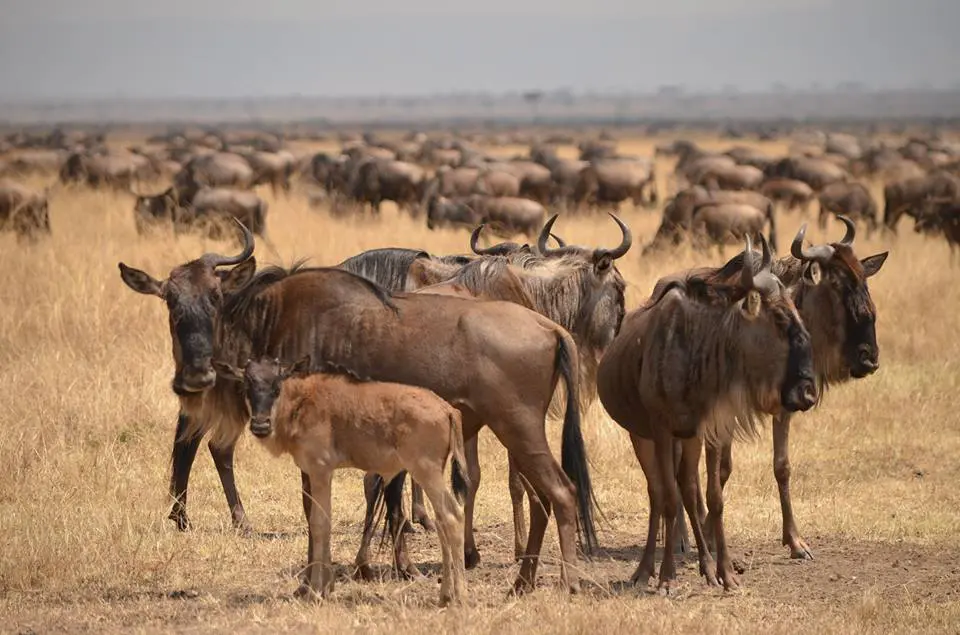
The Southern Serengeti transforms into nature’s greatest maternity ward during January – it’s the wildebeest calving season. Hosting the herds of the wildebeest migration who journey south for fresh grazing and to birth their young. Approximately 500,000 calves are born within a concentrated timeframe, creating an extraordinary abundance of young animals that inspires intense predator activity in the region.
This concentration of vulnerable prey draws lions, cheetahs, leopards, and hyenas, creating exceptional opportunities for witnessing dramatic predator-prey interactions. The synchronisation of births means that, while the predators have their pick, the sheer numbers ensure that the majority of calves do survive.
Olakira Migration and Ubuntu Migration camps ensure you’re perfectly positioned to witness this magnificent phenomenon. Guests visiting Namiri Plains can enjoy excellent cheetah sightings and, in January, can also experience the calving season on longer drives.
Ruaha National Park
Ruaha National Park offers visitors in January an entirely different but equally compelling safari experience. The green season transforms Ruaha into a lush wilderness where fewer tourists venture, creating a truly exclusive, off-the-beaten-track adventure for discerning travellers.
The park’s diverse landscapes, including rolling hills and dramatic escarpments, become particularly photogenic during the month of January. Seasonal waterholes fill with rainwater, creating new wildlife congregation points, while the abundance of fresh vegetation supports incredible birdlife diversity. Over 570 bird species call Ruaha home, with January bringing breeding plumage and active nesting behaviours.
Large elephant herds roam the park’s vast wilderness, while lion prides and leopards take advantage of the dense vegetation for hunting.
Jabali Ridge offers a luxurious base for exploring this wilderness, combining contemporary design with breathtaking views across the Ruaha landscape.
Zanzibar in January
January ranks among the island’s sunniest, driest months, making it ideal for a post-safari beach break. Although this coincides with peak travel season, the exceptional weather conditions justify the popularity.
January delivers hot, tropical weather with minimal rainfall and calm seas – perfect conditions for beach activities, water sports, and island exploration. Clear conditions provide excellent visibility for snorkeling and diving around the coral reefs, while gentle breezes make sailing and dhow cruises particularly enjoyable. The Indian Ocean reaches comfortable swimming temperatures, inviting long days of beach relaxation.
January’s excellent weather makes Zanzibar an ideal finale for any Tanzania safari, offering the perfect transition from bush adventures to island luxury.
Find out when to visit Zanzibar.
Kenya in January

January in Kenya falls within the dry season, delivering exceptional conditions for wildlife viewing across the country’s diverse ecosystems. Clear skies and reduced vegetation density create optimal game-viewing conditions, while comfortable temperatures make extended safari activities enjoyable.
January’s dry conditions ensure that wildlife congregates predictably around permanent water sources. Thin vegetation improves visibility for spotting those more elusive species like leopards and servals, while open grasslands provide the perfect conditions for seeing large herds of herbivores (and any predators lurking nearby).
Kenya’s private conservancies are great at this time of year, offering their signature exclusivity and lower tourist numbers. Walking safaris become particularly rewarding as wildlife trails remain clear and animal behaviour patterns more predictable.
Birdwatching reaches its peak during January’s dry season, with both resident species and migrants present in high numbers. The clear visibility and active bird behaviour create excellent opportunities for both casual observers and serious ornithologists.
Kenya’s diverse landscapes – from savannah grasslands to acacia woodlands – showcase their distinct characters during the dry season, providing varied photographic opportunities and wildlife encounters throughout any safari itinerary.
Find out when to visit Kenya.
Mara Naboisho Conservancy
The Mara Naboisho Conservancy is a beacon of success in Kenya’s conservation efforts while delivering world-class wildlife experiences during January’s excellent conditions. This private conservancy borders the Masai Mara National Park and offers exclusive access to pristine wilderness and superb big cat sightings.
January’s dry conditions make Naboisho particularly rewarding for wildlife enthusiasts, especially those interested in predators. Lions, leopards, and cheetahs concentrate around the conservancy’s permanent water sources, while reduced vegetation provides excellent visibility for tracking and photographing these magnificent cats. The conservancy’s elephant populations move in predictable patterns, creating opportunities for intimate encounters with these gentle giants.
Walking safaris are especially magical during January, allowing guests to explore areas restricted to vehicles in clear weather conditions. Walking through the wilderness provides a closer exploration of nature’s finer details, from tracking techniques to learning about medicinal plants.
Naboisho Camp offers intimate luxury with just nine tents, ensuring personalised service and exclusive wildlife experiences. The camp’s commitment to conservation funding and community partnership adds purpose to every stay. Encounter Mara, also in the Mara Naboisho Conservancy, offers spacious accommodations that maximise wildlife viewing from the camp itself.
Ol Pejeta Conservancy
Ol Pejeta Conservancy stands as a prominent conservation destination, combining exceptional wildlife encounters with meaningful conservation impact. January’s dry season and clear weather conditions optimise viewing opportunities for the conservancy’s remarkable diversity, including the world’s last two northern white rhinos.
January’s clear weather ensures excellent conditions for both traditional game drives and specialised conservation experiences, including visiting the last two remaining northern white rhinos on the planet.
Ol Pejeta’s 90,000 acres support Kenya’s largest black rhino population alongside healthy populations of elephants, lions, and leopards. The conservancy’s innovative approach to human-wildlife coexistence offers educational opportunities that enrich any safari experience by providing a deeper understanding of conservation challenges and solutions.
Ol Pejeta Bush Camp offers an authentic safari experience while supporting the conservancy’s vital conservation efforts. Every stay directly contributes to wildlife protection, anti-poaching efforts, and community development programmes.
Uganda in January – Is it a Good Time to Go Gorilla Trekking?

January is among the very best months for gorilla trekking in Uganda, delivering optimal conditions for this once-in-a-lifetime experience. The dry season creates more comfortable hiking conditions through Bwindi Impenetrable Forest and Mgahinga Gorilla National Park, with clearer trails and better visibility for both trekking and photography.
January’s dry conditions also benefit other wildlife experiences in Uganda. Chimpanzee trekking in Kibale Forest becomes more comfortable with drier trails and increased chimp activity during the cooler morning hours. Queen Elizabeth National Park offers excellent game viewing as wildlife concentrates around permanent water sources, while birdwatching reaches peak conditions with clear skies and active bird behaviour.
The month provides ideal conditions for combining gorilla trekking with traditional safari experiences, creating comprehensive Uganda adventures that showcase the country’s remarkable biodiversity. Many travellers use January to create extended East African itineraries combining Uganda’s mountain experiences with a savannah safari in Kenya or Tanzania.
Explore the best time of year for gorilla trekking in Uganda.
Our Top Safaris in January

Ready to Experience Africa’s January Magic?
From the Southern Serengeti’s calving season drama to Uganda’s misty mountain gorilla encounters, January offers unique wildlife moments impossible to replicate during any other month.
The combination of favourable weather, reduced traveller numbers, and exceptional wildlife activity creates ideal conditions for that once-in-a-lifetime safari. Whether you’re drawn to predator pursuits, conservation experiences, or the perfect blend of adventure and relaxation, January delivers authentic African experiences that exceed expectations.
Start planning your January safari adventure today.
Contact our expert safari consultants to craft your perfect East Africa experience, taking advantage of January’s unique opportunities.
Not quite ready yet, but want to stay in touch? Sign up for our newsletter to get all the latest news and updates from us delivered to your inbox (unsubscribe at any time).