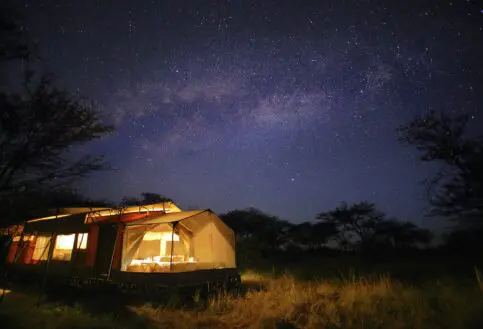
Opening a new lodge is always an opportunity to create something distinctive. Opening a new lodge in a completely new country is something else entirely.

Set in the hills on the edge of Uganda’s Bwindi Impenetrable Forest, Erebero Hills represents a new chapter for Asilia Africa – not only geographically, but also creatively. Alongside the architecture, guiding experience, and connection to the surrounding landscape, the food experience is being carefully shaped to reflect the rhythms, ingredients, and traditions of Uganda itself.
For Executive Chef Tonderai, developing the menu for Erebero Hills has been about far more than simply designing dishes. It has meant building a culinary identity rooted in place, guided by seasonality, and inspired by both local culture and global creativity.
“When creating a menu for a completely new lodge like Erebero Hills, you start by defining the concept,” he explains. “You think about whether it will be à la carte or set menu, structure the meal periods, consider the guest profile and the team’s skill level, and then look closely at the local supply chain and signature ingredients.” That final point – signature ingredients – quickly became central to the process.

Building a Menu Around Uganda
Designing a menu for Uganda has required a different approach from Tonderai’s previous work across East Africa. Geography alone changes the culinary landscape. “Uganda is a landlocked country, while Tanzania has access to the sea, and that strongly influences what can appear on the menu in each country,” he says.
There are cultural differences too. While Indian spice influences can be found throughout much of East Africa, Uganda’s culinary traditions carry their own distinct character, shaped by indigenous ingredients, farming practices, and regional cooking techniques. Rather than importing familiar ideas unchanged, Tonderai wanted the Erebero Hills menu to feel connected to Uganda itself.
“Local culture and Ugandan culinary traditions have played a major role in shaping flavour profiles, ingredient choices, and some cooking techniques on the menu.”
At the same time, the menu is not intended to feel overly traditional or inaccessible. The aim is balance – creating dishes that feel both comforting and surprising. Tonderai describes this as a “70/30 rule”: roughly 70 percent familiarity, with 30 percent novelty. “You can deconstruct and rebuild classic dishes or add a twist to something familiar,” he explains. “Guests should feel comfortable, but also excited to try something unexpected.”
Letting the Farm Guide the Menu
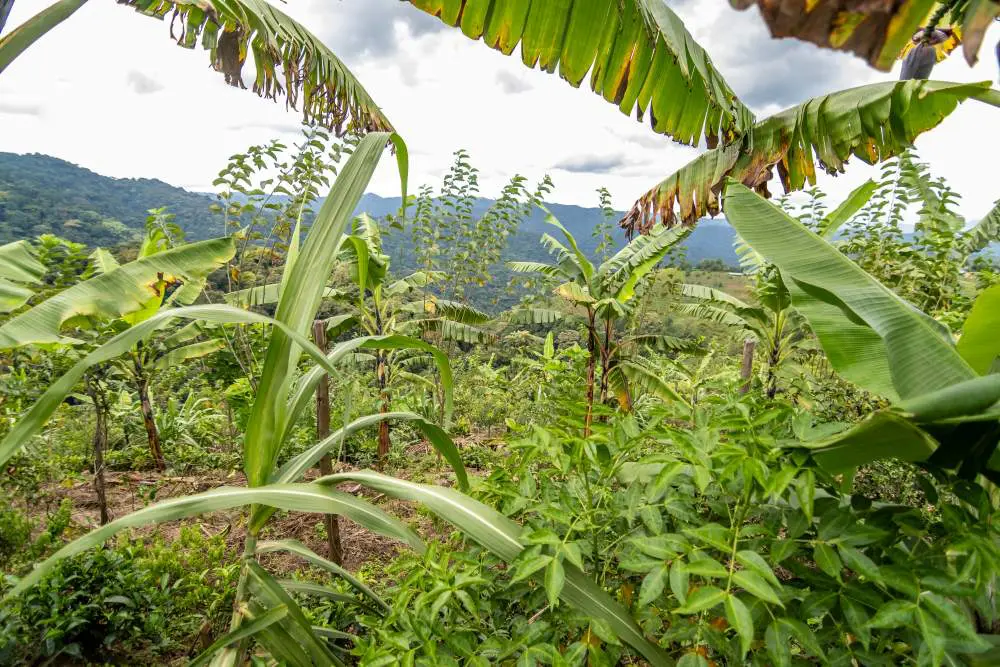
One of the defining features of Erebero Hills will be its on-site syntropic farm, which is already shaping the way the kitchen thinks about food. Unlike conventional menu planning, where dishes are often fixed months in advance, access to fresh seasonal produce creates something far more dynamic. “Having a farm-to-table source shifts menu creation from being static and rigid to being dynamic,” says Tonderai. “Some of the days we will let nature decide what goes onto the plate.”
The farm itself has become part of the creative process. Tonderai was involved in deciding what would be planted, meaning the menu and the farm have evolved together rather than separately. “The farm is guiding the menu,” he says. “The menu was designed using what has been planted.”
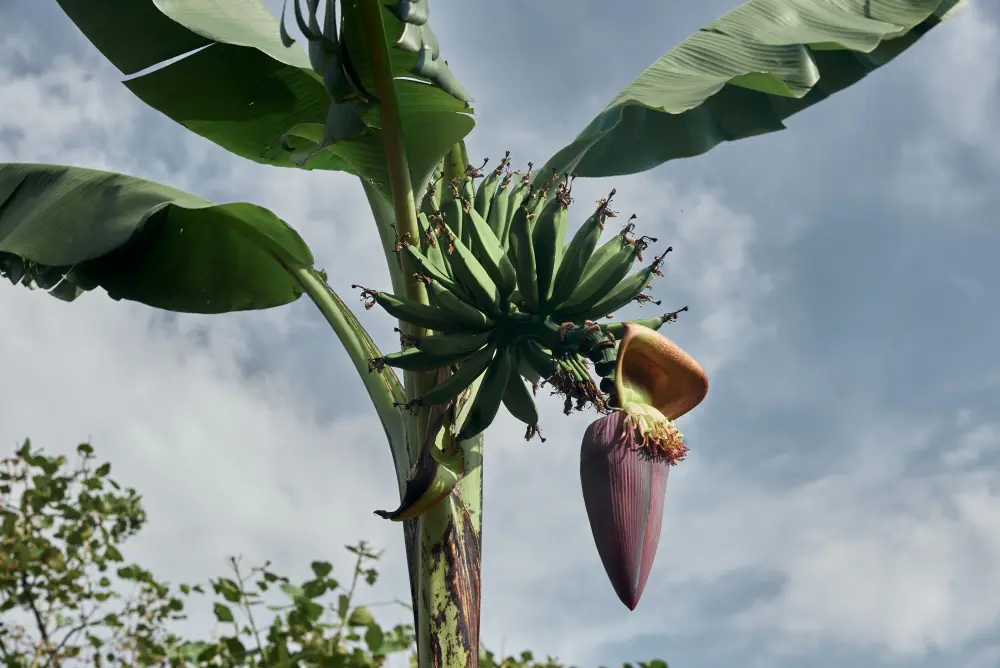
This flexibility opens the door for constant creativity, but it also strengthens Erebero Hills’ sustainability approach in tangible ways. Root-to-stem cooking – using ingredients that might traditionally be discarded – will play an important role in the kitchen. “Having a farm encourages root-to-stem cooking using often discarded parts like carrot tops, radish greens, and beetroot leaves.” Even banana peels have found their way into the creative process. “I have created a banana skin chutney using banana peels,” Tonderai says. “Banana skin has a high nutritional value which is normally overlooked.”
Rather than presenting sustainability as a separate concept, the philosophy is woven directly into the guest experience through flavour, freshness, and storytelling. “Guests appreciate sustainability most when it enhances the taste and connects them to the local culture.”
Celebrating Indigenous Ingredients
Among the dishes already taking shape for Erebero Hills is a healthy green breakfast bowl that perfectly captures the philosophy behind the menu. At its centre is sorghum – an ancient grain that is drought-resistant and one of Uganda’s most important cereals.
“I wanted to create a dish that celebrates this grain,” Tonderai explains. Inspired by modern grain bowls often built around quinoa, he instead chose to showcase a local ingredient with deep regional roots. The sorghum is boiled until soft, then combined with basil pesto, lemon-mustard vinaigrette, sautéed spinach, steamed broccoli, avocado, toasted sunflower seeds, and a poached egg.
The result is something contemporary, nutritious, and deeply connected to Uganda at the same time. It also reflects a broader philosophy running throughout the Erebero Hills kitchen: using familiar formats to introduce guests to local ingredients and stories in approachable ways.
Food as a Connection to Place
For Tonderai, the dining experience at Erebero Hills extends beyond what appears on the plate. The goal is to create meals that connect guests to the surrounding ecosystem, local traditions, and the people who call this region home. “Using food as a sensory link to the ecosystem, culinary culture, and local tradition,” he says, “is central to the vision.”
Communal dining evenings are also planned, allowing guests to gather together while learning more about indigenous communities and regional food culture. At the same time, comfort remains important. After days spent trekking through Bwindi’s forests in search of mountain gorillas, guests should return to meals that feel nourishing and memorable.
Tonderai describes the style as “comfort dishes reimagined through modern culinary techniques” – grounded in familiarity, but elevated through creativity and local identity.

The Ultimate Culinary Playground
Asked what excites him most about the project, Tonderai’s answer comes quickly. “The ultimate culinary playground,” he says. “Going to the farm, picking fresh ingredients that offer unparalleled freshness, and transforming them into a dish.”
It is that immediacy – ingredients moving directly from soil to plate – that will likely define the food experience at Erebero Hills more than anything else. And long after guests leave Uganda’s forests behind, Tonderai hopes those flavours remain with them. “I hope guests will remember the freshness, the standout flavours, the thoughtful micro touches, and the cultural infusion.”
In a landscape already known for unforgettable wildlife encounters, Erebero Hills aims to ensure the dining experience becomes part of the memory too.