The Great Migration is one of the world’s most extraordinary wildlife events, often described as a single journey of more than two million wildebeest, endlessly circling between Tanzania’s Serengeti National Park and Kenya’s Maasai Mara. While that image is partly true, it also oversimplifies one of nature’s most complex ecological systems.
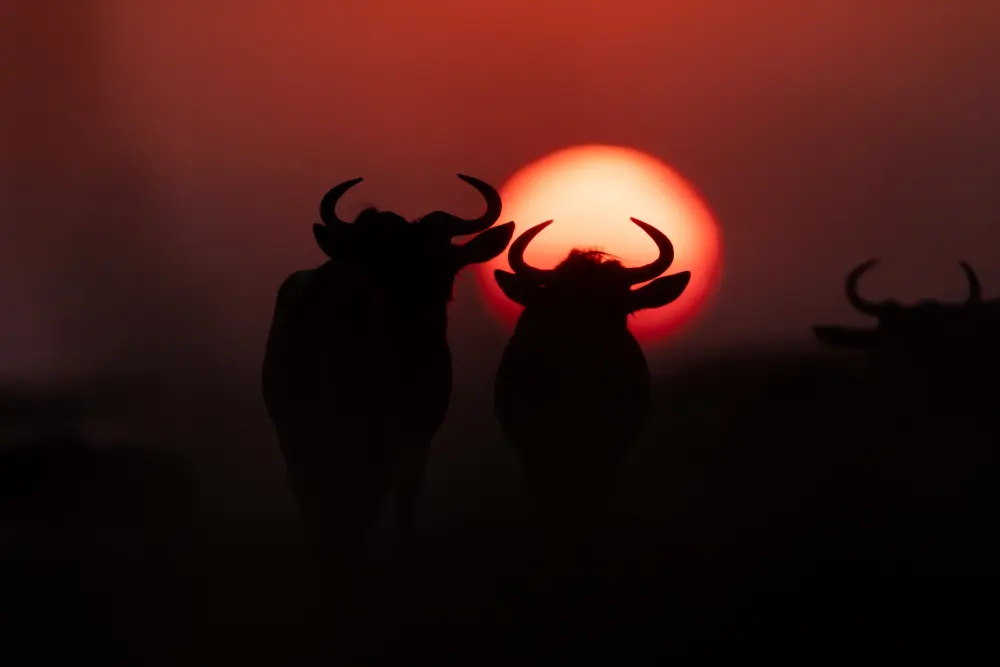
Rather than moving as one giant herd from point A to point B, the Migration is constantly changing. Vast herds fracture into smaller groups, spread across hundreds of kilometres, then merge again as they respond to rainfall, fresh grazing and breeding opportunities. Rivers may create dramatic bottlenecks, but they are only one chapter in a much longer story that unfolds throughout the year.
Understanding how and why the Migration moves reveals that every season offers something remarkable. Whether you’re watching thousands of calves take their first steps, witnessing predators shadow the plains or seeing immense columns of wildebeest stretching to the horizon, there is no single “best” time – only different experiences.
Why does the Great Migration happen?
The Great Migration is driven by rain. Seasonal rainfall brings fresh, nutrient-rich grasses to different parts of the Serengeti-Mara ecosystem, an area covering roughly 30,000 square kilometres, and the herds move in search of the best grazing. Rather than following a fixed route or strict calendar, they respond to changing conditions, meaning the exact timing and location of the Migration varies from year to year.
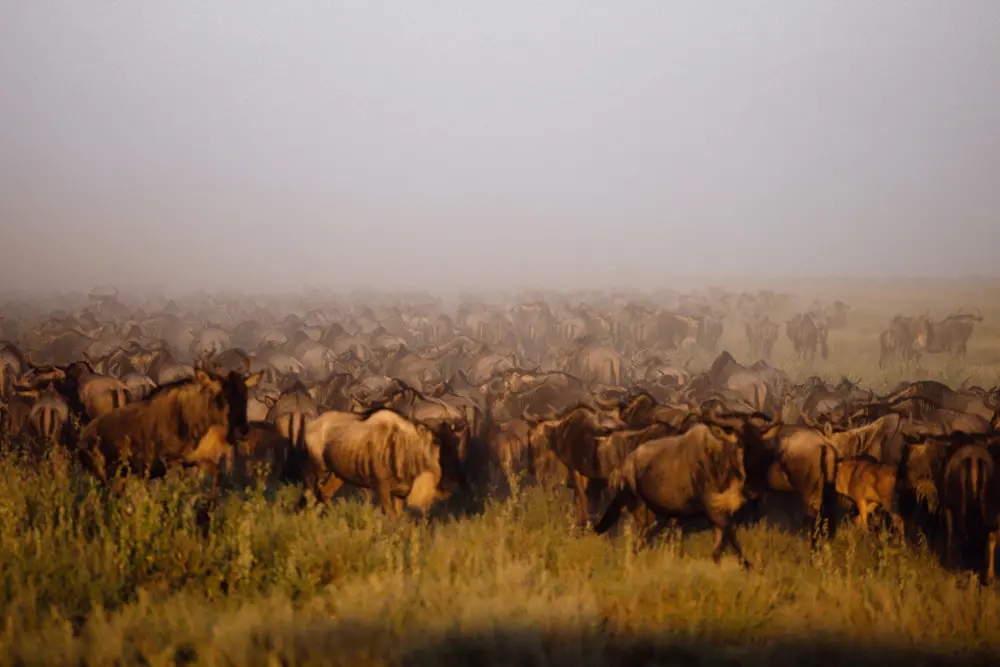
Wildebeest, which make up the majority of the Migration, are highly dependent on these fresh grasses. Their digestive systems require nutritious, short vegetation that grows after rainfall, making them remarkably sensitive to changing conditions.
Zebra often lead the way, feeding on taller grasses, while wildebeest follow to graze the shorter shoots that remain. Thomson’s and Grant’s gazelles join the movement, preferring fresh herbs and flowering plants that appear after rain. Together, these species create one of the largest surviving land mammal migrations on Earth.
But there is no fixed route. Rainfall varies from year to year, meaning the exact timing and location of the herds can never be guaranteed. Nature, after all, doesn’t work to a calendar.
January to March: New life on the southern plains
At the beginning of the year, much of the Migration gathers across the southern Serengeti and the Ndutu region, where nutrient-rich volcanic soils produce some of East Africa’s finest grazing.
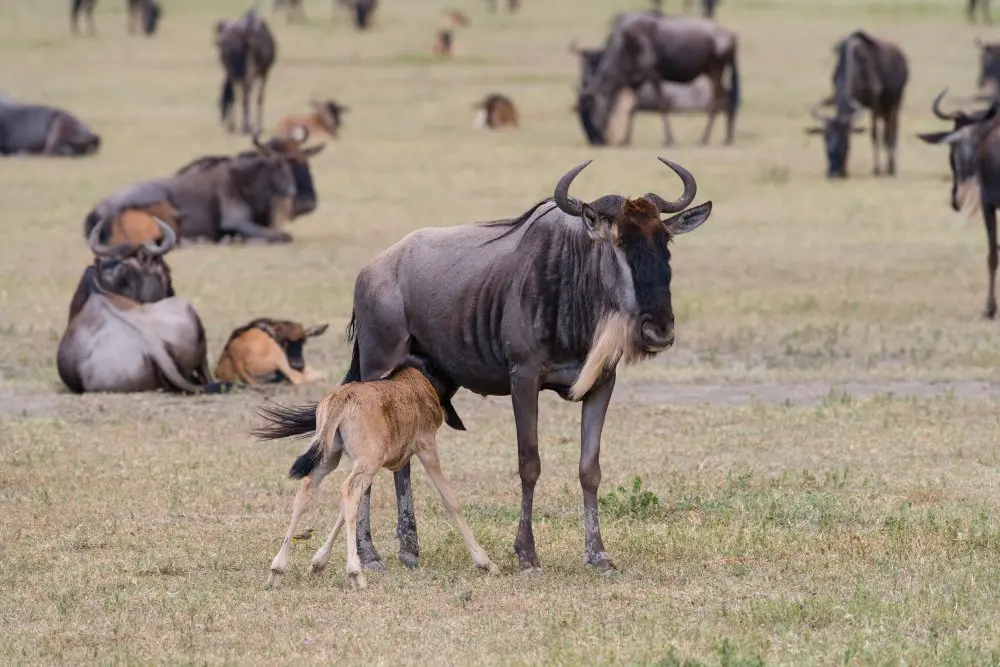
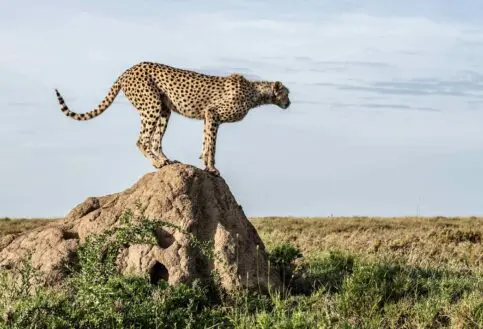
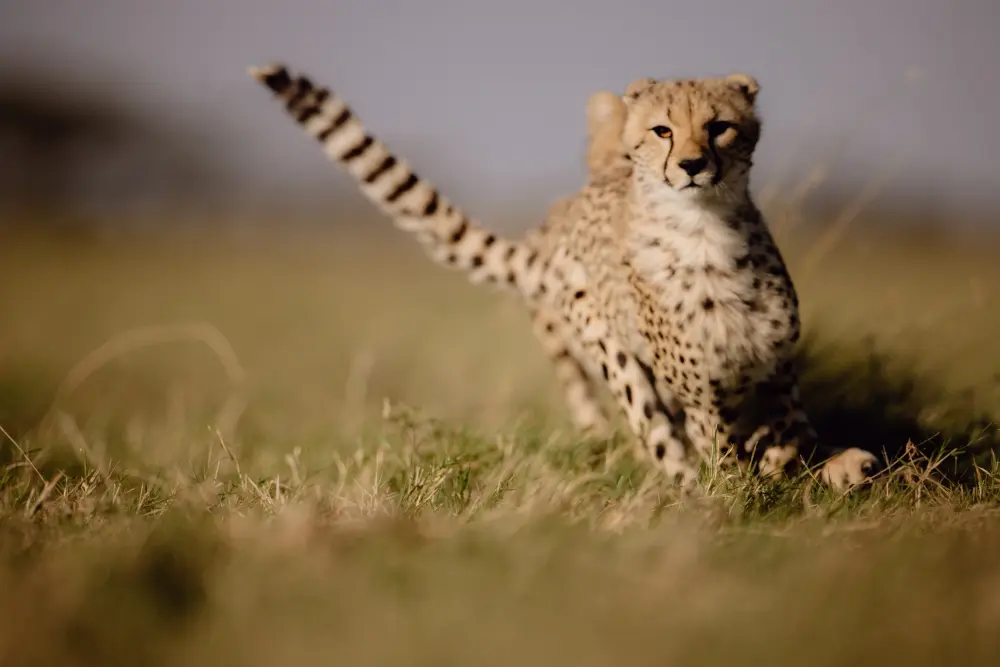
This is calving season. Over just a few weeks, hundreds of thousands of wildebeest calves are born. During the peak, as many as 8,000 calves can enter the world in a single day. Timing is everything. By synchronising births, the herds overwhelm predators through sheer numbers, ensuring many calves survive despite the constant danger. The southern plains become one of the best places to witness predator-prey interactions. Lions, cheetahs, hyenas and jackals all take advantage of the abundance of vulnerable young animals, while mothers fiercely defend their newborns.
Despite the drama, this is also one of the Migration’s gentlest seasons. Endless green plains, playful calves and relaxed grazing herds create an atmosphere of renewal that contrasts sharply with the river crossings later in the year.
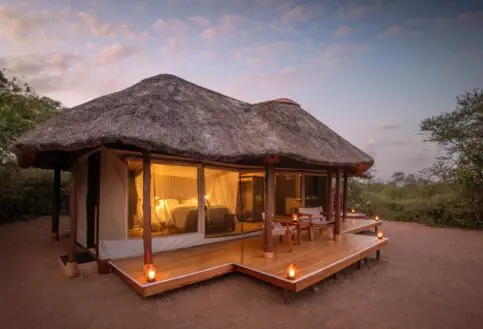
Accommodation Options:
- Olakira Migration Camp, Southern Serengeti
- Ubuntu Migration Camp, Southern Serengeti
April and May: Following the rains
As the southern plains begin to dry, the enormous concentrations of animals gradually disperse. Rather than leaving all at once, the herds fracture into multiple streams. Some move through the central Serengeti, while others travel further west, venturing through Maswa Game Reserve towards the Western Corridor. Long columns of wildebeest can stretch for kilometres as they make steady progress towards fresh grazing.
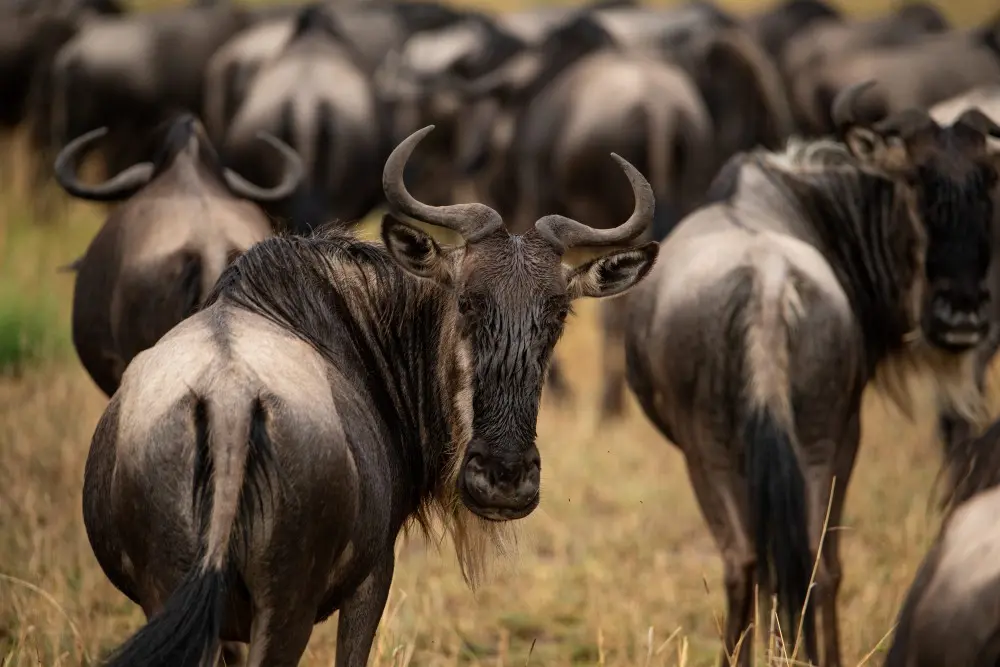
These months are often overlooked by travellers, partly because they coincide with East Africa’s long rains. Yet they offer an entirely different perspective on the Migration. The landscape is lush, visitor numbers are lower, and the movement of animals feels more fluid than concentrated.
This is also when the true scale of the Migration becomes apparent. Instead of witnessing a single crossing or gathering, you experience a living ecosystem in motion, with wildlife spread across immense open landscapes.
Accommodation Options:
- Dunia Camp, South Central Serengeti
- Namiri Plains, Eastern Serengeti
June and July: Splitting towards the west and north
As conditions continue to change, the Migration divides further. Some herds move into the Western Corridor of the Serengeti, where they encounter the Grumeti River. Others continue north through the central Serengeti towards their northern gathering point on the banks of the Mara River.
The Grumeti crossings are often overshadowed by the Mara River, yet they provide dramatic wildlife viewing in their own right. Crocodiles lie in wait, while nervous herds hesitate before committing to the crossing. Not every group crosses, however. Some remain on the same side of the river, while others find entirely different routes. Many will leave the security of the national park, venturing through the Grumeti and Ikorongo game reserves, and the surrounding wildlife management areas.
This period illustrates one of the biggest misconceptions about the Migration: there is never a single herd making a single decision. Multiple groups move independently, each responding to local conditions and opportunities.
Accommodation Options:
- Dunia Camp, South Central Serengeti
- Olakira Migration Camp, Northern Serengeti
July to October: The famous Mara River crossings
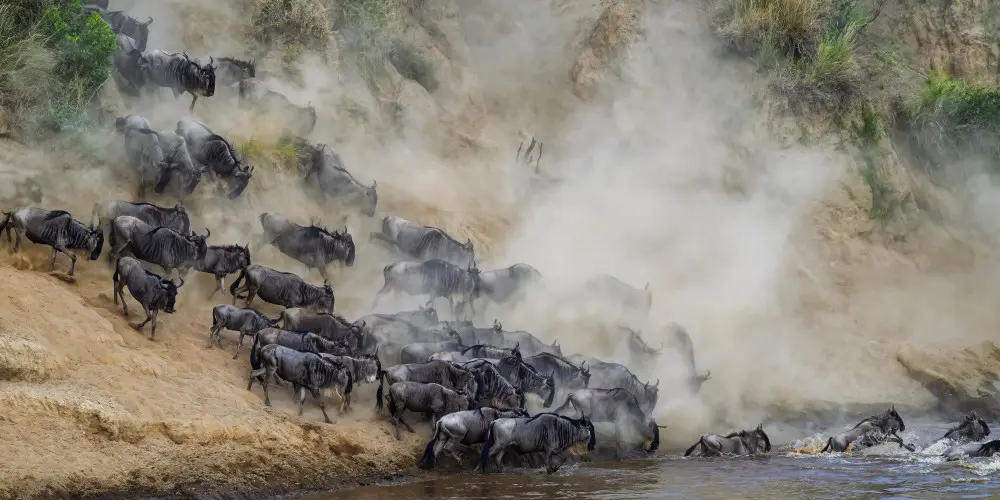
Between July and October, many herds reach the northern Serengeti and the Maasai Mara. This is the period most often associated with the Great Migration, thanks to the dramatic crossings of the Mara River. Thousands of wildebeest gather at steep riverbanks, sometimes waiting for hours or even days before one animal finally jumps, triggering a mass crossing.
These crossings are unpredictable. Herds may approach the river several times before turning away, while others cross quickly with little hesitation. Crocodiles, strong currents and steep banks all contribute to the danger.
Yet the story extends well beyond the crossings themselves. The northern grasslands provide exceptional grazing, allowing the animals to recover after months of travel. Predators remain close behind, with lions, leopards and hyenas all benefiting from the abundance of prey. Meanwhile, enormous herds spread across both sides of the Kenya-Tanzania border, constantly moving back and forth depending on where the freshest grass can be found.
For many visitors, this is their first encounter with the Migration. It is undeniably spectacular, but it represents only one season within a much larger annual cycle.
Accommodation options:
- Olakira Migration Camp, Northern Serengeti
- Ubuntu Migration Camp, Northern Serengeti
- Sayari Camp, Northern Serengeti
- Rekero Camp, Maasai Mara
- Emboo Camp, Maasai Mara
November and December: Turning south again
As the short rains arrive across the southern Serengeti, the balance shifts once more. Fresh grass begins emerging far to the south, drawing the herds away from the Mara and northern Serengeti. Once again, the Migration fragments into numerous groups travelling at different speeds and along different routes.
The central Serengeti often becomes a key transit area as animals gradually move southwards. By December, many have returned to the southern plains, where the cycle begins again.
These months offer excellent game viewing because wildlife is widely distributed and highly active. The landscape changes rapidly with the rains, transforming dusty plains into vibrant green grasslands almost overnight.
Accommodation Options:
- Namiri Plains, Eastern Serengeti
- Dunia Camp, South Central Serengeti
More than movement
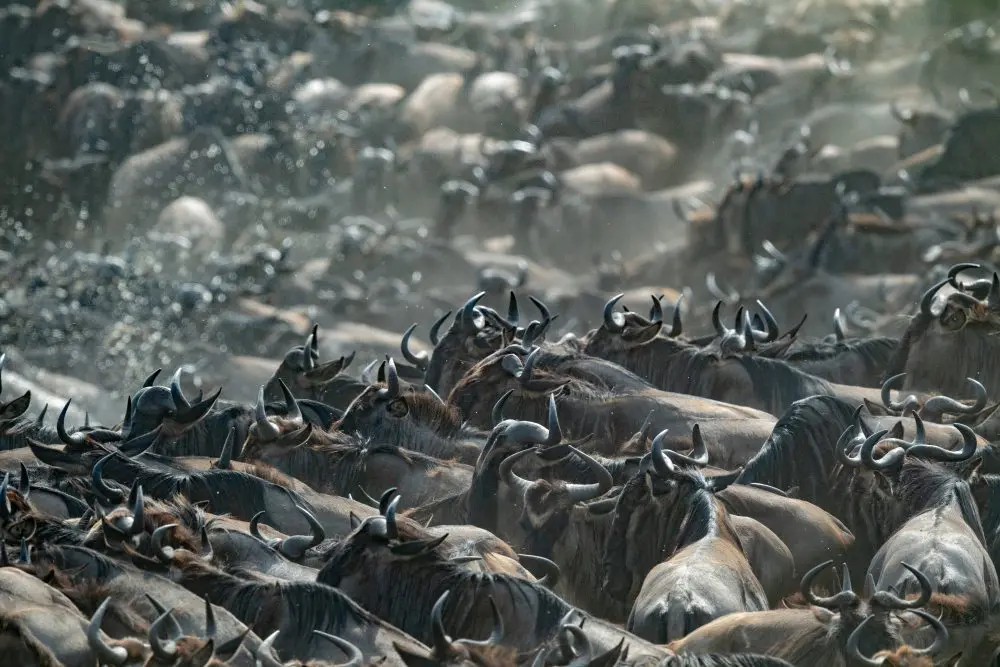
While the Migration is often described as a journey, it is more accurately understood as a continuous ecological process. The movement of millions of grazing animals shapes the health of the Serengeti-Mara ecosystem. Grazing stimulates new plant growth, while dung returns nutrients to the soil. Predators depend on the seasonal abundance of prey, scavengers benefit from natural mortality, and countless smaller species are influenced by the ever-changing availability of food and habitat.
Even the rivers play an important role beyond the crossings. Nutrients from drowned animals support fish populations, crocodiles and aquatic ecosystems, creating links between land and water that extend far beyond the migrating herds themselves. The Migration is not simply about where the animals are. It is about how every part of the ecosystem responds to their presence.
Every season tells a different story
One of the greatest misconceptions surrounding the Great Migration is that it can only be experienced between July and October. While the Mara River crossings deserve their reputation, they represent just one act in a year-long natural drama. Calving season offers extraordinary concentrations of newborn animals. The green season showcases endless grazing herds against vibrant landscapes. The western rivers provide quieter yet equally compelling crossings, while the return south reveals the constant adaptability that defines the Migration.
For travellers, understanding this rhythm opens up far more opportunities to experience one of Africa’s greatest wildlife spectacles without feeling tied to a single season. The Great Migration has no true beginning and no final destination. It is an endless cycle shaped by rainfall, grass and survival – a reminder that nature is constantly changing, even when viewed through one of the most familiar stories in the natural world.
No matter when you visit, you’re witnessing a chapter of that story rather than the whole book. And every chapter has something extraordinary to offer.
Contact us today to start planning your Migration Safari.