Every safari camp has a story. The story of Erebero Hills began with a question. What if a safari camp could do more than offer access to remarkable wildlife? What if it could help restore a landscape, strengthen a community, celebrate local craftsmanship and leave a place better than it was found?

Long before the first sketch was drawn or a single stone was laid, these were the conversations shaping Erebero Hills. They continue to influence every decision made today.
As construction nears completion, we wanted to return to the beginning – to the thinking, the people and the purpose that gave rise to this ambitious project. Whether you’ve followed Erebero Hills from the outset or are discovering it for the first time, this is the story behind one of our most considered developments to date.
Looking Beyond the Conventional Safari
For more than two decades, we have believed that tourism can be a force for conservation. Our camps and lodges have always sought to demonstrate that protecting wildlife and supporting communities are not competing priorities, but deeply connected ones.
When discussions around Erebero Hills first began, the ambition was never simply to build our first lodge in Uganda. Instead, the team asked what meaningful tourism could look like in a landscape that deserved careful stewardship and long-term investment. The answers shaped everything that followed.
Rather than designing around guest expectations alone, the project would begin with the landscape itself. The ecology, geology, local communities and cultural heritage would become the foundation upon which every architectural and operational decision rested. Luxury, in this context, would emerge naturally – not from excess, but from authenticity, craftsmanship and an intimate relationship with place.
A Landscape Worth Listening To
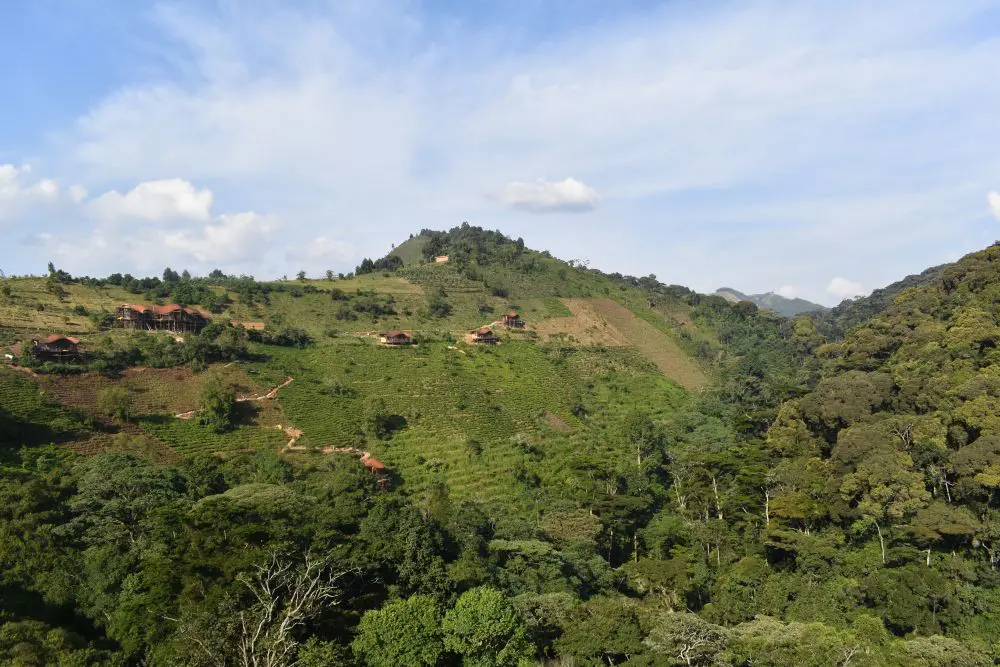
The name Erebero Hills evokes the defining feature of this remarkable setting. Meaning, “A place where you can see far” views from the lodge extend over the tapestry of green rolling hills that rise from the surrounding landscape, creating secluded valleys and diverse habitats that have shaped both wildlife movement and human history for generations.
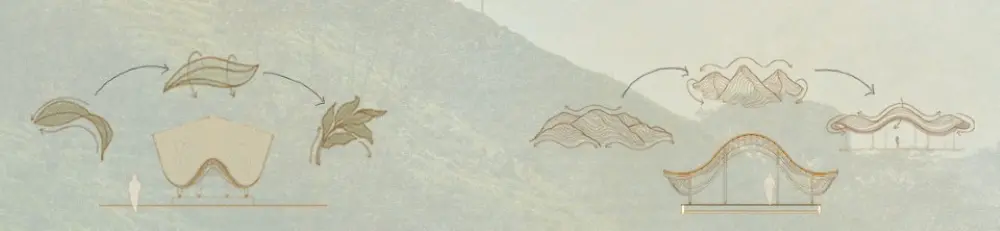
Instead of asking how the land could accommodate a lodge, the project team asked a different question: how could the lodge fit within the land? This shift in perspective may seem subtle, but it fundamentally changed the design process.
Rather than levelling hillsides or imposing architecture upon the environment, every decision would respond to the natural contours, existing vegetation and ecological systems already present. The intention was not to dominate the landscape, but to become part of it. That philosophy continues to guide construction today as we enter the final stages of the build.
Finding Partners Who Shared the Vision
Ideas alone do not build places. They require collaborators who understand both the practical challenges and the deeper purpose behind them. For Erebero Hills, we sought partners whose work demonstrated restraint, curiosity and respect for the environments in which they build.
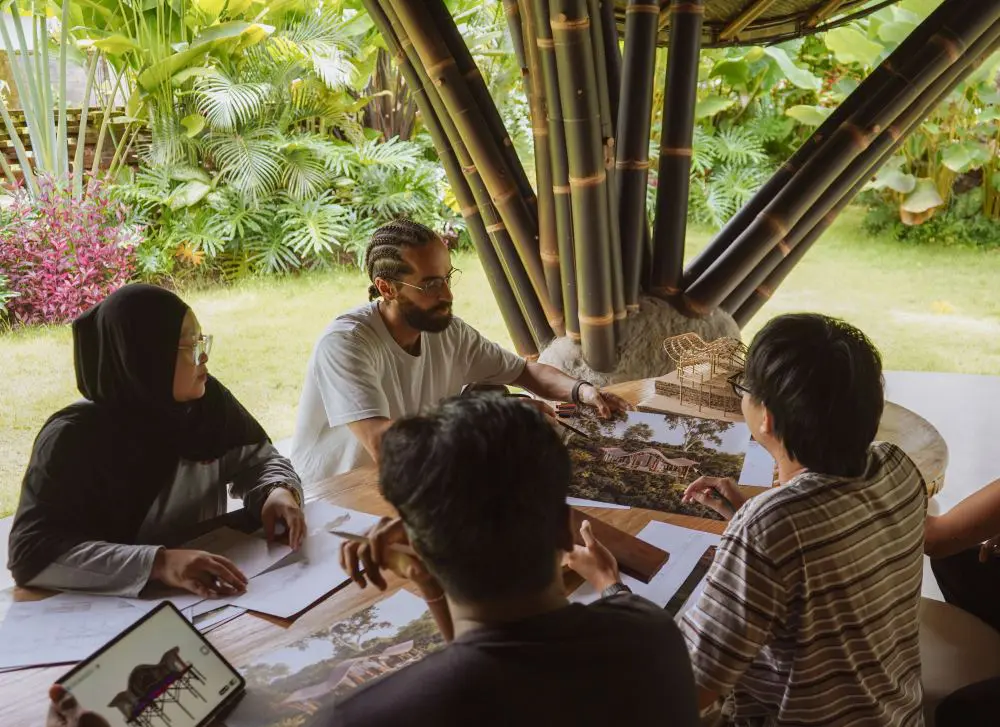
Architect Pablo Luna quickly emerged as a natural fit. Known for creating buildings that appear to grow from their surroundings rather than compete with them, Luna approaches architecture as a dialogue between landscape, climate and people. His work consistently rejects the idea that luxury should overwhelm nature. Instead, it encourages guests to slow down, observe and connect more deeply with their surroundings.
This philosophy aligned closely with Asilia’s own approach to safari. Rather than creating a collection of buildings with impressive views, Luna’s challenge was to create experiences that immersed guests within the hills themselves. Every pathway, opening and structure would encourage a sense of discovery while preserving the integrity of the landscape.
Working alongside him as co-designers, Studio Akeka brought an equally thoughtful perspective to the project’s build process, interiors and spatial experience. Rather than treating architecture and interiors as separate disciplines, Studio Akeka approached the lodge as a single, cohesive story. Materials, textures, lighting and handcrafted details were all considered extensions of the surrounding environment. The result is a design language rooted not in trends, but in place.
Designing with Nature Rather Than Against It
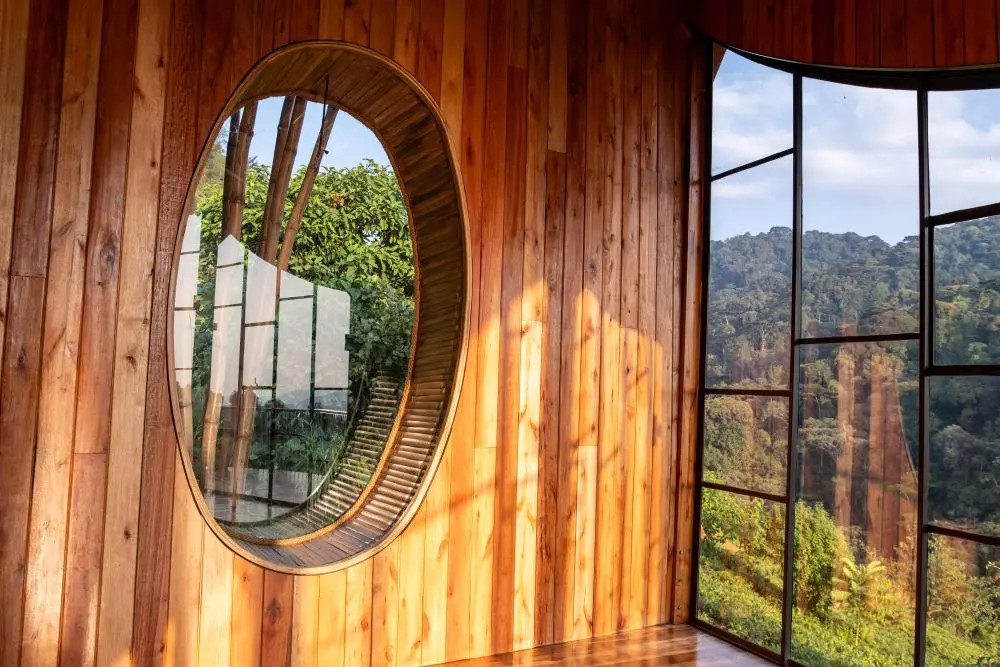
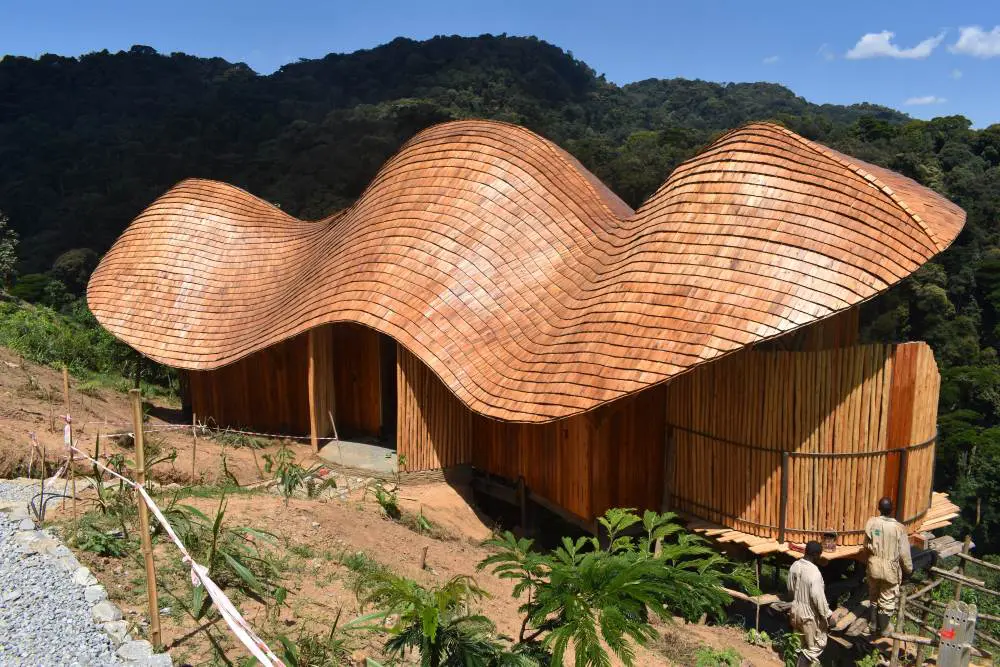
One of the defining characteristics of Erebero Hills is that the landscape has remained the lead designer throughout the process. Buildings are positioned to work with existing topography rather than reshape it. Views are framed without dominating the horizon. Materials have been selected not only for their beauty, but for how they weather, age and belong within the environment.
This approach inevitably requires more patience. Design solutions that appear effortless often involve countless revisions, site visits and conversations between architects, engineers, conservationists and local teams. Every alteration is weighed against its environmental impact, visual footprint and long-term sustainability. The objective has never been to create the most dramatic architecture. It has been to create architecture that feels inevitable – as though it has always belonged here.
Community as Part of the Foundation
The story of Erebero Hills is not solely about landscape. It is equally about people. Meaningful conservation cannot exist in isolation from the communities who have lived alongside these ecosystems for generations. Their knowledge, traditions and aspirations form an essential part of the landscape’s future.

From the earliest planning stages, we recognised that Erebero Hills needed to deliver lasting value beyond tourism itself. Employment opportunities, skills development and local procurement all form part of this vision, but they represent only the beginning. The greater ambition is to foster relationships that continue to evolve over time – partnerships built on trust, shared purpose and mutual benefit rather than short-term economic gain.
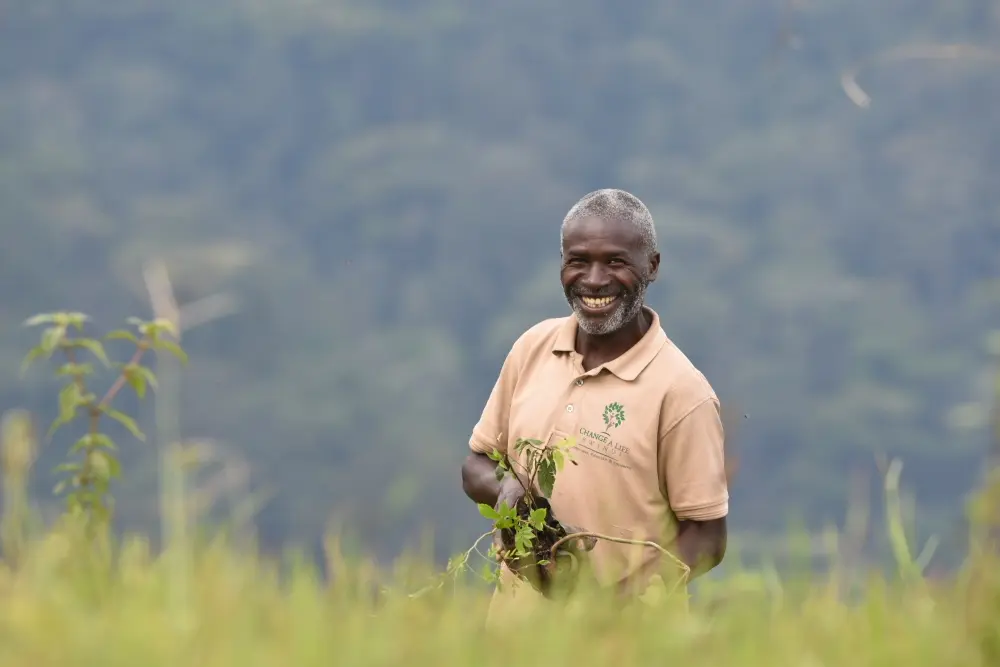
One of the clearest examples of this is Asilia’s partnership with Change a Life Bwindi, a local organisation working to improve livelihoods while supporting the long-term health of the surrounding landscape. Together, we are helping establish a reforestation project that will create a natural buffer zone along the edge of Bwindi Impenetrable National Park. Beyond restoring indigenous forest, the initiative aims to reconnect the Batwa community with traditional plant species of medicinal and cultural significance, many of which became inaccessible following the establishment of the protected forest. It is an approach that recognises conservation and community wellbeing as inseparable, restoring not only habitat, but also an important cultural connection to the land.
Just as importantly, the lodge seeks to celebrate local craftsmanship wherever possible. Every opportunity to incorporate regional skills and materials strengthens the connection between the built environment and the people who call this landscape home. In this way, the lodge becomes more than a destination. It becomes part of a living community.
Conservation Is Never Finished
It is tempting to think of a new lodge as a finished product waiting for its first guests. In reality, Erebero Hills is only at the beginning its journey. The landscape will continue to change and develop as the new forest takes root. Wildlife and birdlife populations will fluctuate. The community will grow and evolve, and new challenges will emerge alongside new opportunities.
The responsibility of responsible tourism is therefore ongoing. Monitoring ecological health, supporting conservation initiatives, maintaining meaningful community partnerships and continually reducing environmental impact are commitments that extend far beyond opening day.
Success cannot be measured solely by occupancy or guest satisfaction. It must also be measured by healthier ecosystems, stronger local livelihoods and a landscape that remains resilient for generations to come.
More Than a New Lodge
Erebero Hills represents many firsts. It introduces a remarkable new destination for Asilia. It brings together internationally respected designers and local expertise. It demonstrates what thoughtful architecture can achieve when guided by ecological principles.
Yet perhaps its greatest achievement lies elsewhere. It reminds us that the most meaningful projects begin not with buildings, but with values. Every conversation about conservation, every discussion with community partners, every decision to protect rather than alter the landscape has shaped what Erebero Hills is becoming.
The lodge itself is simply the physical expression of those choices. As construction continues and the story unfolds, we hope guests will experience more than exceptional wildlife or beautiful accommodation. We hope they will feel the intention behind every decision – the quiet belief that tourism, when approached with care, humility and patience, can help protect extraordinary places while creating lasting opportunities for the people who live alongside them.
Sometimes, to understand where a journey is going, you have to return to where it began. For Erebero Hills, that beginning was never about building a lodge. It was about imagining a different future for a remarkable landscape – and then setting out, one thoughtful decision at a time, to help make it possible.
Start planning your journey to Erebero Hills today.