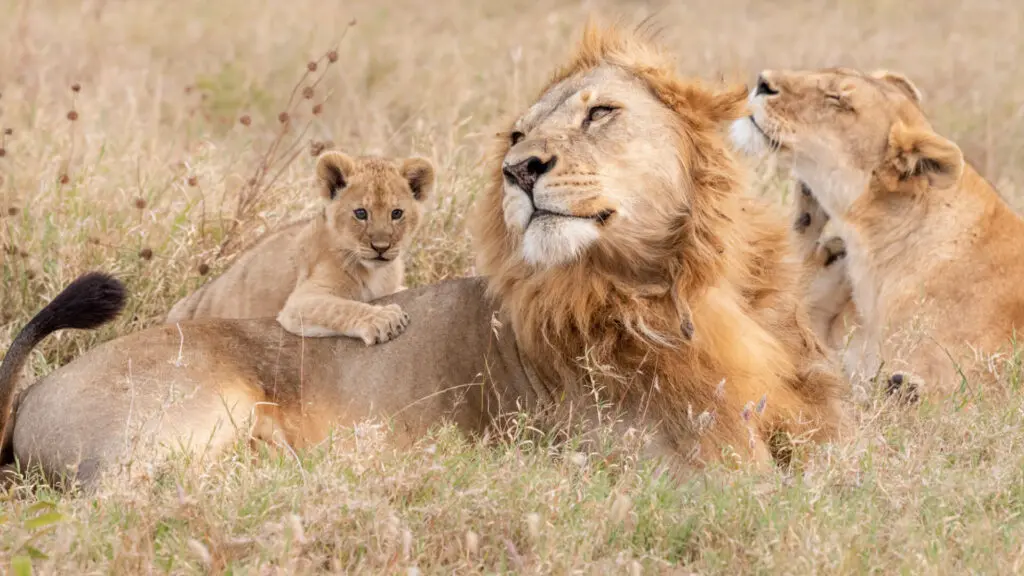
Many first-time safari-goers embark on their initial adventure through Africa eager to tick off everything on their safari to-do list – see all members of the famous Big 5, witness the Great Wildebeest Migration, or explore the most iconic parks like the Serengeti or Maasai Mara. That exhilarating “first safari” experience is truly unforgettable, such that it almost always prompts a second trip to the beautiful continent that is Africa.
But second safari trips aren’t about ticking boxes; they’re about slowing down, discovering new landscapes, and cultivating deeper connections with nature, culture, and even conservation. Asilia’s thoughtfully tailored experiences, conservation-first ethos, and diverse portfolio of camps ensure that your return safari can be full of fresh adventure, deeper meaning, and lasting impact.
Here are our top tips for planning a second safari, crafted to help you slow down, look closer, and connect more deeply. From venturing into lesser-known corners of East Africa to rediscovering wildlife with a new perspective, a return journey invites you to fall in love with Africa all over again – this time with even greater intention and appreciation.

1. Explore New Parks & Ecosystems with Asilia
Planning a safari is the perfect opportunity to venture further, into wilder and less-travelled landscapes. In Tanzania, the vast wilderness of Ruaha National Park and the waterways of Nyerere National Park offer a striking contrast to the north.
Camps like Namiri Plains, set in one of Africa’s best regions for big cats, or Oliver’s Camp, beckoning guests to the heart of Tarangire’s raw wilderness. Or change perspective at Roho ya Selous, ideally placed for land and water safaris alike, invite returning guests to experience Africa on a more immersive level.
The Big, Wild Ruaha
Escape the crowds and discover Ruaha National Park, one of East Africa’s best-kept secrets. At Jabali Ridge, spacious suites perch atop granite kopjes and offer endless views of Ruaha’s landscapes. An infinity pool, and intimate wildlife encounters with roaming resident lion prides, elephants, all set to the backdrop of the region’s vast wilderness.
The Waterways of Nyerere
Venture into Nyerere National Park for serene, water-based safaris. By boat and foot, you’ll explore the tranquil waters of the Rufiji River as well as its tributaries. Take in the beauty of the shaded palm forests along riverine areas, and vast floodplains- an immersive and restorative contrast to traditional savannah game drives.

Big Cat Country at Namiri Plains
For unparalleled big-cat action, Namiri Plains offers cheetah, lion, leopard, and even rarer sightings like caracal and serval, all with far fewer vehicles than most northern parks. Slower mornings and evenings on safari provide rewarding sightings without interruption or crowds.
Private Conservancies in Kenya
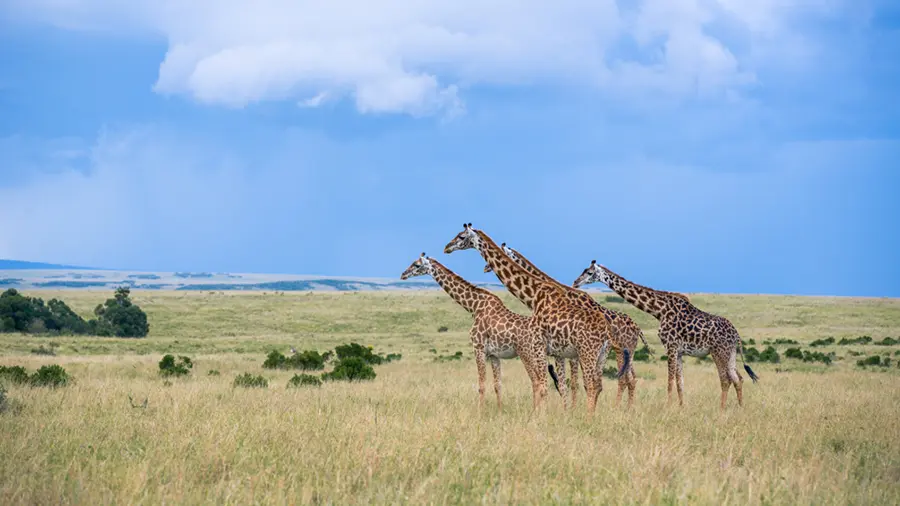
For returning guests seeking exclusivity, private conservancies in Kenya unlock nighttime game drives, off-road access, walking safaris, and fewer vehicles – perfect for fresh perspectives and uncompromised wildlife encounters.
2. Experience Different Seasons with Asilia
One of the most intriguing ideas when looking at how to make a second safari different is by choosing a different time of year. Each season transforms the ecosystem bringing new rhythms, a change in wildlife behaviour, and evolving landscapes. When contemplating second time safari ideas, there’s no need to reinvent the wheel, sometimes a simple change of season and embarking on deeper safari experiences is the ideal path to choose.
Migration vs. Calving
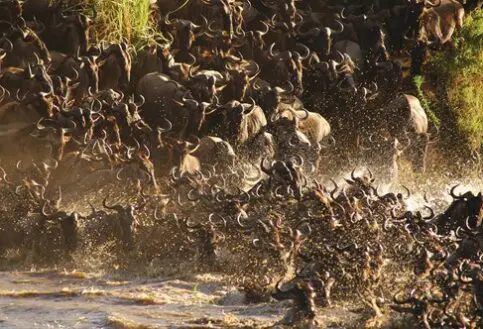
For those eager to witness the drama of the Great Wildebeest Migration’s river crossings, Sayari Camp is perfectly positioned on the edge of the Mara River in the northern Serengeti. From July to October, thousands of wildebeest and zebra surge across the crocodile-filled waters, a sight few ever forget. Once the herds move on, the region transforms into a tranquil haven, offering near-exclusive sightings of resident wildlife including lion, leopard, cheetah, and even black rhino.

In contrast, Olakira Migration Camp sits in the heart of the southern Serengeti, ideally placed for the wildebeest calving season from January to March. Here, on the sweeping short-grass plains, tens of thousands of calves are born within weeks, drawing predators and offering breathtaking wildlife encounters. As highlighted in our feature on calving season during the Serengeti Wildebeest Migration, it’s one of the Serengeti’s best-kept secrets – raw, intimate, and perfect for returning safari-goers seeking a fresh perspective.
Choose the northern Serengeti’s migration hotspots like Kogatende and Sayari, or switch to the short grass plains of the south and Olakira for the calving, drama and spectacle.
Visit East Africa During the Green Season
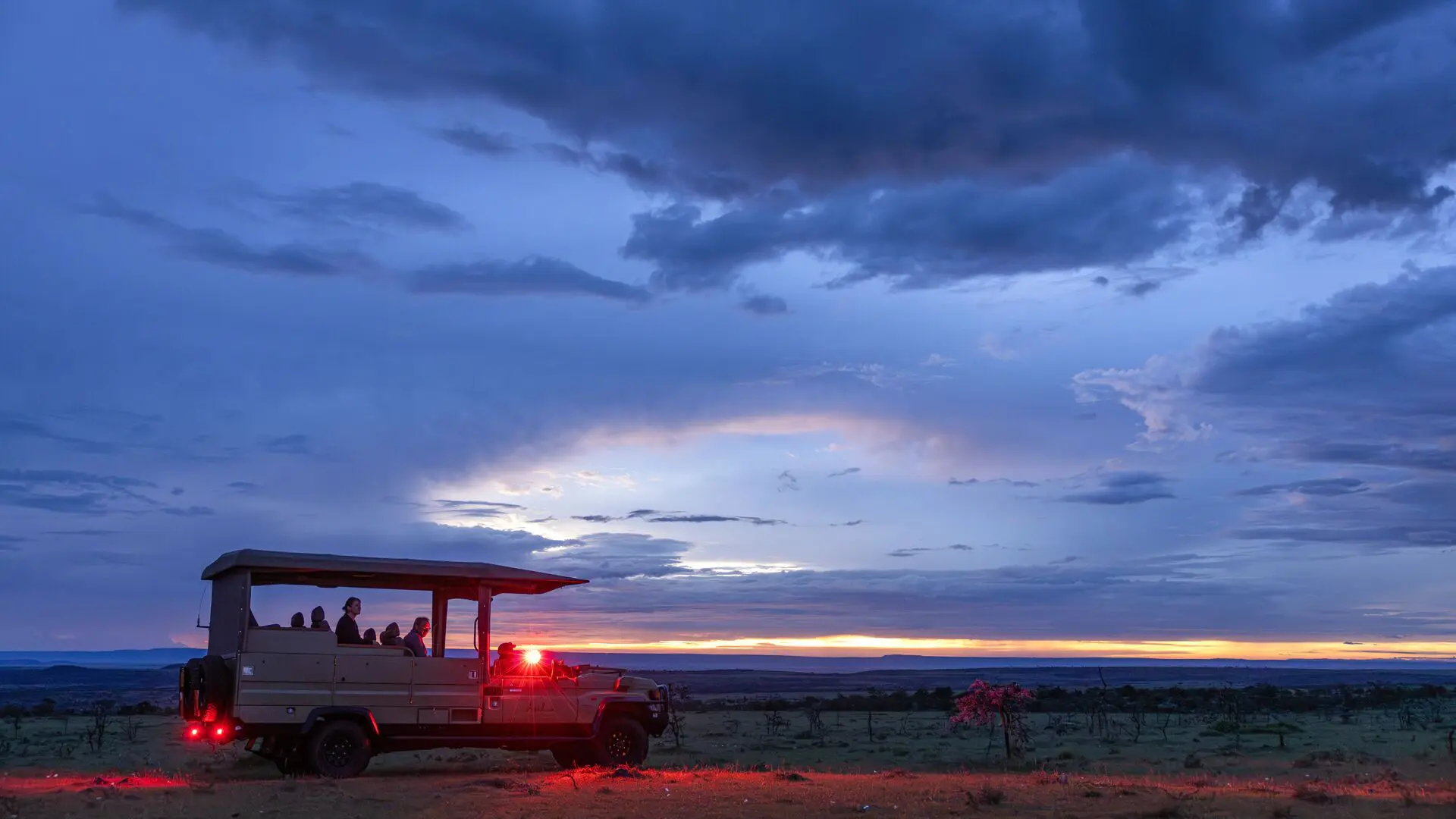
Travelling in the green season is one of East Africa’s best-kept secrets. With dramatic skies, lush landscapes, and hardly another vehicle in sight, the experience feels both exclusive and deeply personal. At Dunia Camp, located in the south central Serengeti, the arrival of the rains lure the migrating herds north and westwards, directly into the path of Dunia. The green landscape awash with herds of wildebeest, and precious few other vehicles in sight, makes for an extraordinary Serengeti experience.
In Kenya, the Mara Naboisho Conservancy provides a wildlife rich sanctuary in which to enjoy the benefits of a conservancy safari in near exclusivity. Morning walking safaris and late afternoon game drives that merge into night drives, alongside meaningful and authentic cultural interactions with the Maasai communities at The Maa Trust. For returning travellers, this “secret season” is an insider’s tip, a chance to swap the crowds for immersion, and to connect with Africa at its most atmospheric and alive.
3. Upgrade the Adventure
A return safari is your chance to go beyond the classic game drive and uplift your journey with immersive, unforgettable extras:
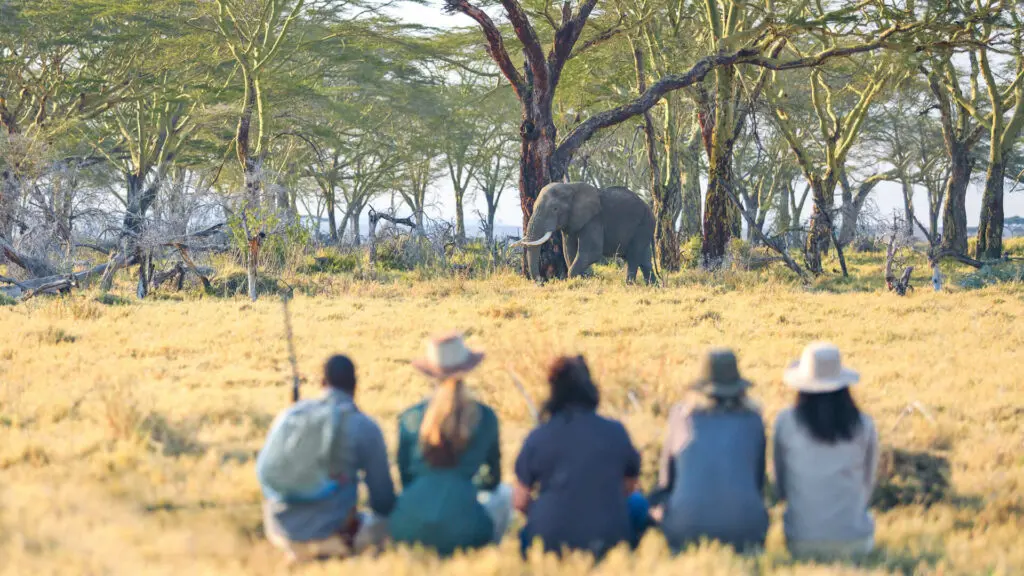
- Walking safaris at Oliver’s or Roho ya Selous: feel the earth beneath your footsteps, notice tiny wonders, and learn intimate stories of the bush.
- Fly-camping add-ons from Naboisho Camp: sleep beneath the stars in remote bush settings and begin each day with the first light of dawn.
- Africa photo safaris (Sayari, Namiri Plains, Jabali Ridge and Naboisho Camp): specially modified vehicles, expert photographers, and private itineraries let you capture wildlife in their most expressive moments. This is one of the best safaris for returning guests; your first time was all about taking in every moment, your return could be about committing them to film.
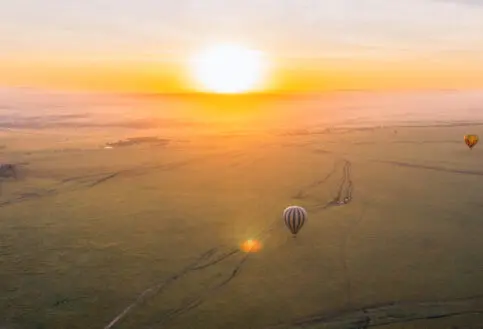
- Hot-air ballooning in the Serengeti, Ruaha, and Maasai Mara: drift above the plains at sunrise, soaking in sweeping views and sunrise magic.

4. Personalisation & Special Interests
A second safari invites personalisation, encouraging you to craft an experience around your passions.
Birding Safaris:
At Asilia, birding safaris are not just an add-on, they’re central to many destinations. For example, you can explore the Serengeti’s vast plains (including camps such as Namiri Plains, Sayari, and Ubuntu Migration Camp), where over 500 species of birds can be seen.
In Ruaha, the varied habitat provides opportunities to spot migratory species, waterbirds along rivers, endemic species like the Tanzanian red‐billed hornbill, and excellent birding in wet or green seasons. Nyerere’s waterways, lakes, and rivers offer birders a chance to see both resident and migrant species, especially from November to March when the water levels are favourable.

Asilia’s expert local guides, familiar with bird behaviour and habitats, will help you spot the most rewarding species while our sales consultants craft your itinerary around the best seasons.
Cultural Visits with the Maasai
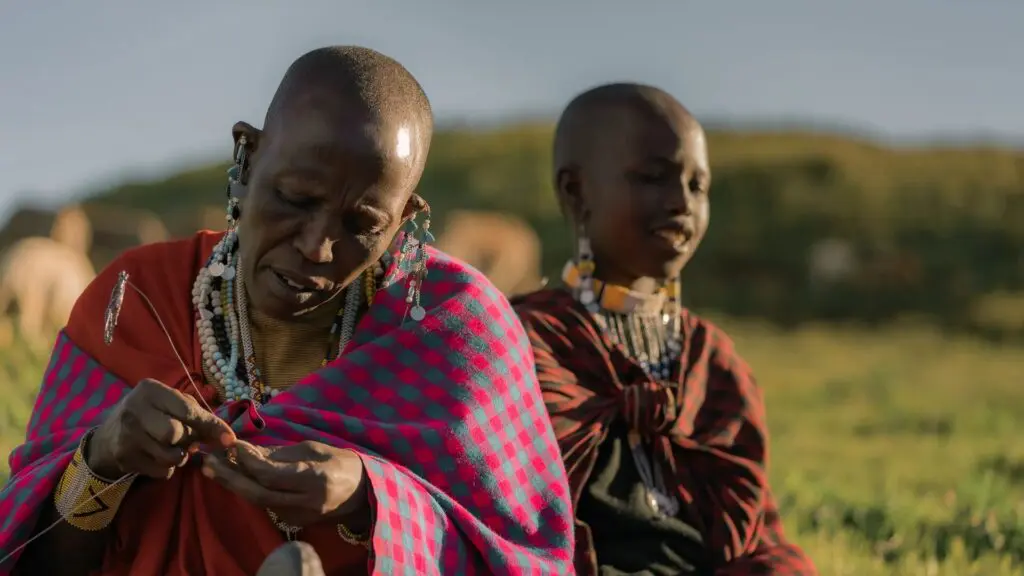
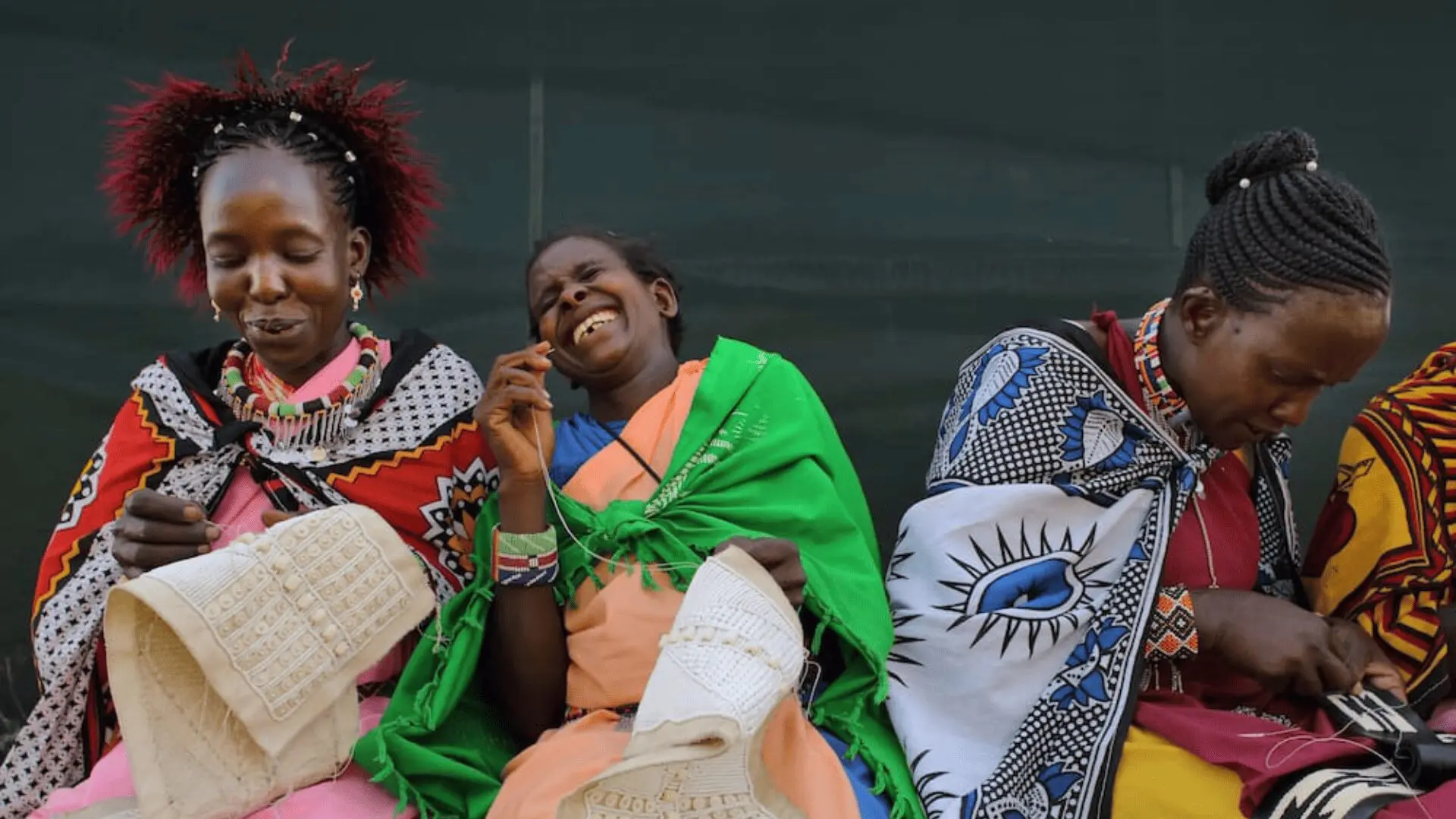
At Asilia, our mission is to support meaningful cultural engagement, not passive observation. In the Maasai Mara region, guests can enjoy guided cultural visits. Spend the day participating in bead workshops with The Maa Trust, learning about Maasai way of life, social structures, traditions, and their artistry.
At The Highlands, you can walk or drive to a neighbouring Maasai community with an Asilia guide and a Maasai guide, learning traditional greetings and respectful behaviour, and getting an insider’s perspective on daily life.
Fishing Safaris: Waterside Moments in Nyerere, Ruaha and Rubondo
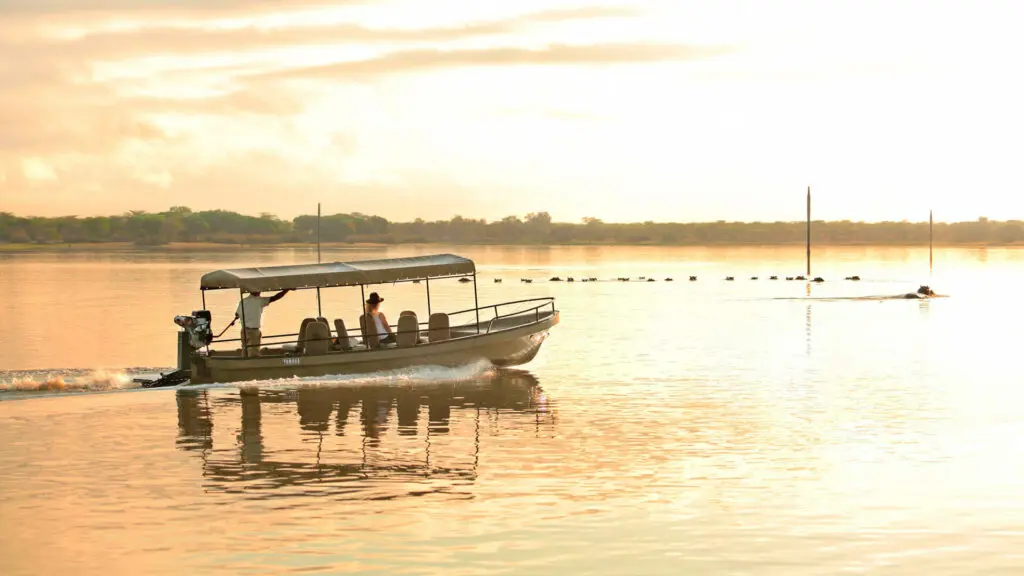
While “fishing safaris” in the sense of large sport fishing are less prominent, Asilia does offer boating safaris and catch‐and‐release fishing in certain locations.
- In Nyerere National Park, rivers, lakes and tributaries provide excellent boating safaris and opportunities for catch‐and‐release fishing for species like catfish and tigerfish.
- The Usangu Wetlands near Ruaha offer waterway and riverine explorations, where guests can also enjoy wildlife from the water, including birds, hippo and crocodile, especially during wet seasons.
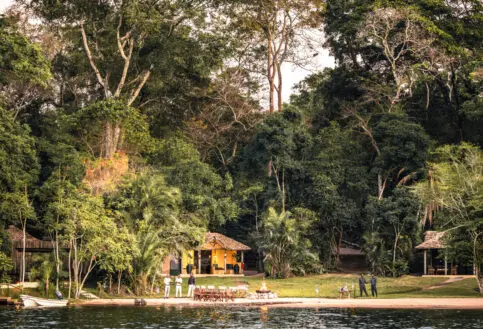
- Rubondo Island Camp offers boating safaris around the coastline of the island, as well as catch-and-release fishing in the deeper waters for Nile perch, that can grow up to 100 kilograms in size.
So, you can have relaxing waterside moments- sunrise from a boat, casting a line, watching wildlife at the water’s edge, all built into your itinerary.
All Asilia Custom Itineraries
For those who’ve been on safari before and want more bespoke experiences, All Asilia custom itineraries offer possibilities to combine multiple camps, private guides, and added luxuries:
- Combining camps like Namiri Plains, Sayari, Ubuntu Migration Camp, and Jabali Ridge, to get different landscapes, wildlife concentrations, and levels of exclusivity. Some camps are more isolated, others more social.
- Customising guides or even chefs, to shape each day, from what time you rise to which activities will be enjoyed, whether its game drives, walking safaris, night drives, boating, or cultural visits.
- Tailoring experiences so that the itinerary shifts with your interests- more birding, more photography, more solitude, or more cultural connection.
5. Travel with Purpose: Asilia’s Impact
Here’s how Asilia weaves purpose into every safari, making your return not just about memories, but about positive change:
Community-Owned Conservancies & Local Employment
Many camps are located within or adjacent to community‐owned conservancies. For example, Naboisho Camp in the Mara Naboisho Conservancy is run in partnership between Maasai landowners and Asilia; tourism fees directly support lease payments to landowners and conservancy management.
Camps provide local employment, from guides and trackers, through staff in lodges, to cultural liaison roles (e.g. with Maasai guides). The Maa Trust, funded in part by Asilia, supports beadwork, schooling, scholarships, and development for local Maasai women and communities.
Conservation Initiatives
Asilia is involved in multiple conservation projects:
- Usangu Expedition Camp’s involvement in protecting the fragile Usangu Wetlands, its rehabilitation, and allowing guests to observe biodiversity monitoring and ecosystem protection in action.
- The Tuhifadhi Maliasili program in the Kwakuchinja corridor: working with communities on sustainable cooking stoves to reduce tree felling, raise awareness through education and protect biodiversity in this crucial wildlife corridor.
- Support to projects like the Mara Predator Conservation Program, The Maa Trust, and plenty more.
Long-Term Conservation & Sustained Impact
Returning to Africa, safari experiences may feel different to the first time, but they are no less impactful. When you return, your presence helps sustain a cycle of conservation and community benefit:
- Regular funding (e.g. per night fees, guest contributions) helps maintain programs like The Maa Trust, predator conservation, and habitat protection.
- Over time, local people benefit through education and more stable incomes.
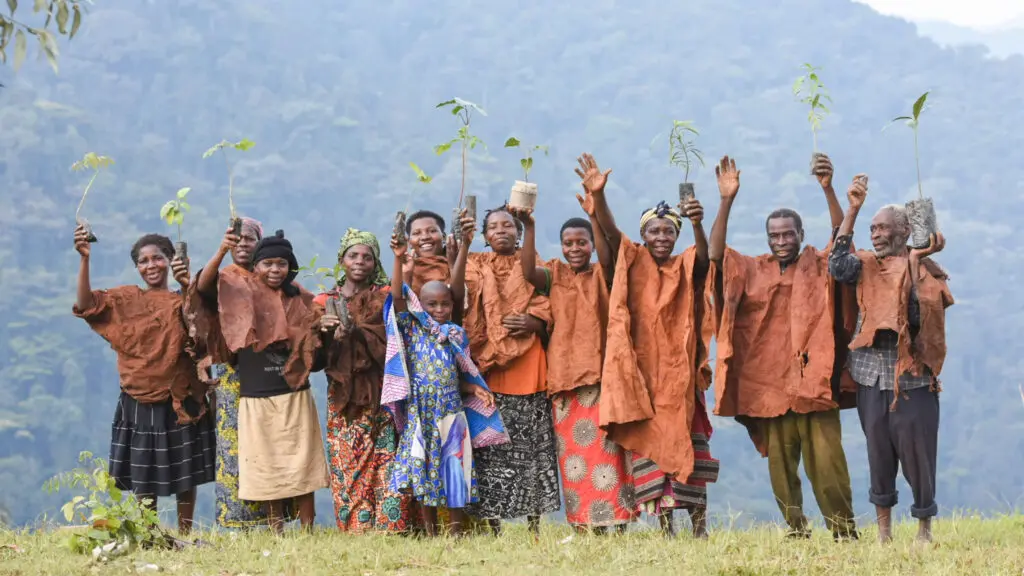
- Environmental stewardship is embedded: protecting corridors and wetlands, restoring forests (e.g. at Erebero Hills around Bwindi), supporting anti-poaching efforts and sustainable resource use.
Your second safari with Asilia can be a richly different and deeply fulfilling adventure, one filled with new landscapes, refined experiences, and meaningful impact.
Ready to craft a journey that goes beyond your first safari? Reach out to us today to begin planning a safari that’s uniquely yours.